

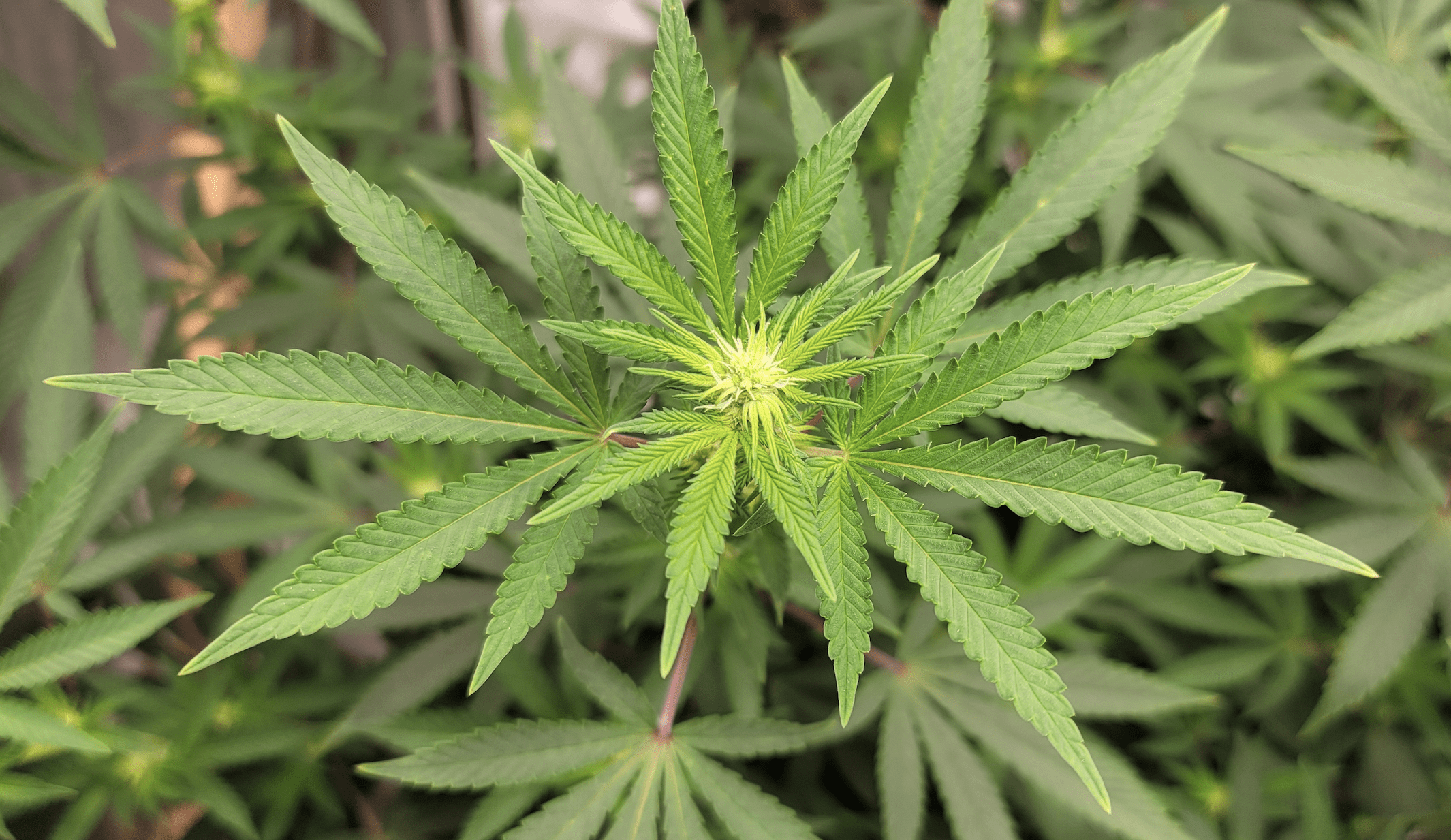
Wisconsin Democratic Lawmakers Announce New Marijuana Legalization Bill To Promote ‘People’s Freedom’
Wisconsin marijuana legalization bill lands with a thud and a promise. On a gray Madison morning, Democrats rolled out a plan that reads like a long-overdue menu for a state still ordering from prohibition’s kids’ table. They framed it as economic necessity, public safety strategy, racial justice imperative—take your pick, or take all three. The politics are unforgiving; Republicans hold the gavel in both chambers, and the path to adult-use cannabis in Wisconsin is more gravel road than express lane. But the pitch is clear: replace punishment with regulation, swap hearsay for standards, and keep legal cannabis revenue at home instead of watching it funnel south to Illinois with a wink and a receipt. As one lawmaker put it, legalizing cannabis isn’t radical—pretending it isn’t already here is. The question isn’t whether Wisconsinites use cannabis; it’s whether the Wisconsin cannabis market will be regulated, tested, and taxed, or left to the shadows and the interstate highway system.
What the bill actually does
Strip away the stump speeches and you’re left with a proposal that tries to regulate reality. Adults 21 and over could buy and possess both marijuana and certain hemp THC products, with a bright line between “hemp-derived” and “marijuana” based on intoxicating cannabinoid content. There’s a new regulator, a taxed supply chain, a medical program with defined conditions, and a promise to clean up the past with expungement and protect the present with employment safeguards. The measure also nods to a federal squeeze on consumable hemp: by giving businesses a legal route to transition from hemp-derived THC to cannabis-derived THC, it offers a lifeline to operators and workers caught between ambiguous labels and blunt bans. The skeleton is technocratic; the soul is pragmatic: regulate what people already consume, and collect the receipts. Key contours include:
- Adult-use access: 21+ can purchase and possess marijuana and qualifying hemp THC products.
- Hemp threshold: products with up to 10 mg of intoxicating cannabinoids per 12 fl. oz., per serving, or per edible package remain “hemp”; anything stronger is “marijuana.”
- Possession caps: up to 2.5 ounces of flower in public; up to 5 pounds in a private residence; up to 1 gram of THC in infused products; up to 15 grams of concentrates.
- Regulators: a Division of Cannabis Regulation within the Department of Agriculture, Trade and Consumer Protection oversees production, processing, transport, and testing; dispensary sales require Department of Revenue licensing.
- Medical program: patients 18+ (younger with parental/caregiver consent) qualify with conditions like cancer, glaucoma, HIV/AIDS, Crohn’s, Alzheimer’s, ALS, PTSD, opioid use disorder, and others added by rule.
- Taxation: 10% excise on producers, 10% on processors, 5% on adult-use retailers, 10% occupational tax for microbusinesses, an optional local 5% on retailers, and a 3% buyer excise (waived for registered medical patients). The consumer 3% funds health research.
- Justice and jobs: a process to review, vacate, and expunge records for conduct decriminalized by the bill, plus employment protections for lawful, off-duty use.
Politics, cash flow, and a border that bleeds green
Here’s the rub: Wisconsin’s GOP leadership has flirted with a narrow medical program while rejecting broader reform—think tight guardrails, state-run dispensaries floated, then friction within the majority and the familiar sound of bills stalling out. The votes for full adult use aren’t there today. Yet the math on cannabis taxation and legal cannabis revenue stares lawmakers in the face. State analysts have already projected nine-figure revenue gains from regulated sales, even as Wisconsin residents spend substantial sums in Illinois—effectively paying their neighbor’s budget and pothole fund. Meanwhile, a federal crackdown on consumable hemp products threatens the gray-market ecosystem that sprang up during prohibition’s long goodbye. Some Republicans call marijuana a dangerous drug and cast shade on rescheduling; others admit the debate isn’t going away. In Texas, even conservative voices have started acknowledging the obvious: the market exists. Calls to regulate rather than ban echo in efforts like Bipartisan Texas Lawmakers Want Hemp THC Regulated Instead Of Banned, With GOP Rep Saying Market Is ‘Too Big To Ignore’—a reminder that pragmatism has a way of outlasting panic.
Read the bill
A Midwest mood swing, with national crosscurrents
Policy in America rarely moves in a straight line; it lurches, it argues, it takes the scenic route. In one direction, voters organize and drag lawmakers toward daylight—see the momentum behind signature drives like Idaho Medical Marijuana Campaign Collects Over 45,000 Signatures For Ballot Initiative As Poll Shows Strong Voter Support. In another, campaigns sputter and miss their moment, as in Florida Marijuana Campaign Fails To Qualify Legalization Initiative For November Ballot, State Officials Say. And occasionally the most intriguing reforms are happening where you least expect them—psychedelics policy inching toward clinical rigor, like West Virginia And Mississippi Lawmakers Approve Psychedelics Bills To Fund Ibogaine Trials Toward FDA Approval. Against that backdrop, Wisconsin sits at a familiar crossroads: high public support for marijuana policy reform, a legislature divided over how far and how fast, and a regional environment where “just drive across the border” remains an all-too-easy workaround. It’s a lousy way to make policy—and a great way to hemorrhage tax dollars.
What’s at stake if this passes—or doesn’t
This bill’s stakes are human and practical. For consumers, it’s labeling, lab testing, and safety—cannabis taxation that funds research instead of guesswork. For patients, it’s access that doesn’t require a secret handshake. For workers, employment protections that treat off-duty, lawful use like the grown-up issue it is. For communities, expungement that chips away at the old architecture of punishment. For businesses, it’s clarity: licenses, compliance, a regulated route from seed to sale, and a path for hemp operators to transition aboveboard. And for the Wisconsin cannabis market, it’s whether to keep paying neighboring states for the privilege of pretending nothing’s changed. The legislature will decide if this is another season of delay or the pilot episode of something better; either way, the audience is paying attention. When you’re ready to explore where high quality and legal nuance intersect, end the scroll and visit our shop.