



White House Confirms Trump Will ‘Address Marijuana Rescheduling’ Thursday, But Reported Details On Final Decision Are ‘Speculation’
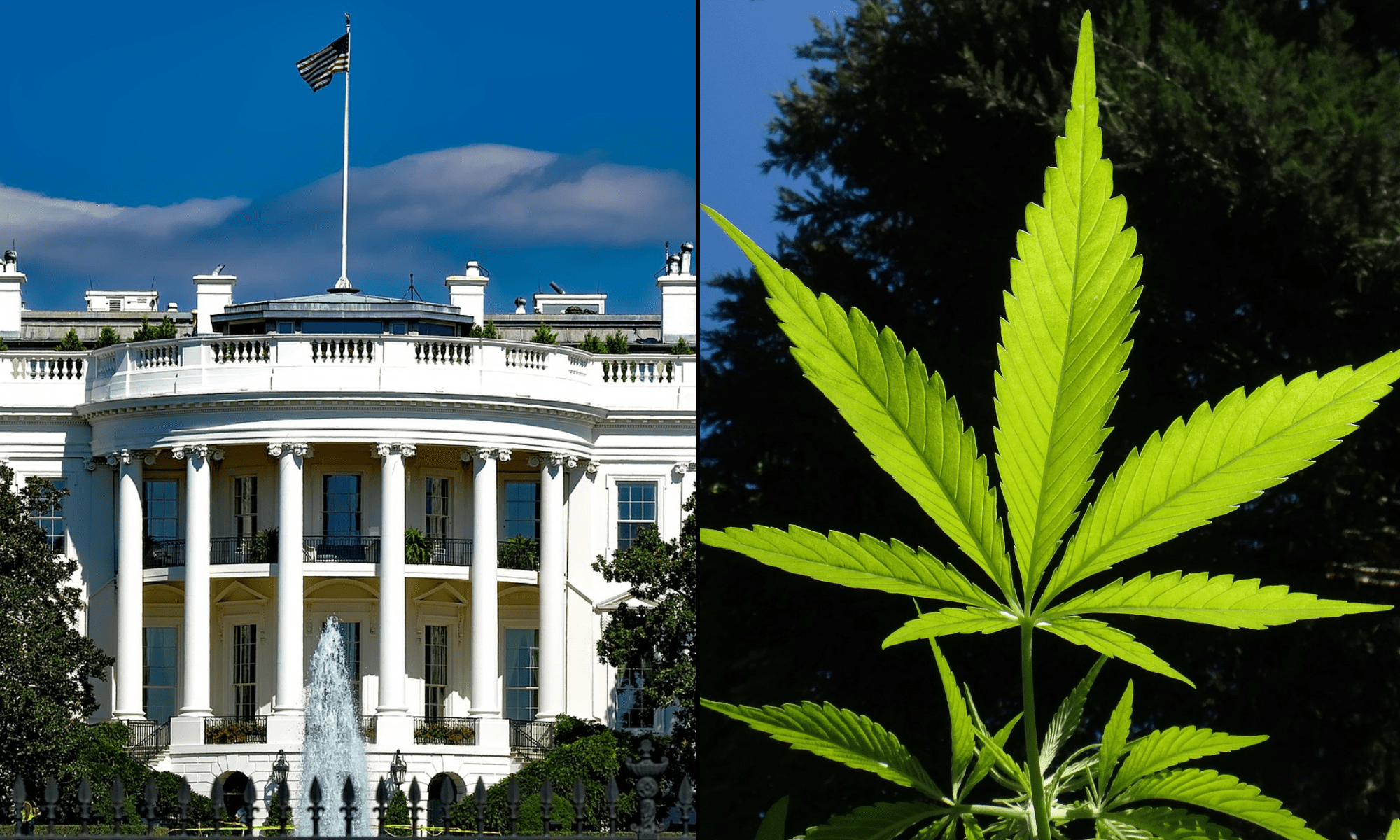
Marijuana rescheduling just got bumped from barstool rumor to main-course intrigue, and it tastes like a late-night decision you feel in the morning. The White House is expected to address the prospect of moving cannabis from Schedule I to Schedule III—an executive-order-and-bureaucracy two-step that could shake the federal cannabis policy tree without felling it. The timing sounds cinematic, the details still slippery, and the stakes unmistakable: research barriers loosened, tax handcuffs eased, and a national conversation about what gets punished and what gets permitted. Call it America’s next test of whether we treat cannabis like a vice, a medicine, or simply a reality we’ve been tiptoeing around for half a century.
Here’s the rumored recipe: a directive to the attorney general to advance rescheduling; a nod to banking so licensed companies can act like real businesses instead of cash-heavy outlaws; and a curious twist on healthcare—potential Medicare reimbursement for certain CBD products. That last piece would require the Centers for Medicare & Medicaid Services to reverse its stance that cannabis and hemp-derived CBD are ineligible under major programs, a change that would signal Washington’s first real move to integrate cannabinoids into the clinical mainstream. Sliding marijuana to Schedule III would also take the IRS’s 280E off the industry’s back, letting operators deduct normal expenses like everyone else. We’ve covered these contours before—the banking lifeline and the Medicare angle are the two tendrils to watch—in Trump’s Marijuana Rescheduling Order Could Include Industry Banking And CBD Medicare Coverage Provisions, Sources Say. If this sounds like progress, it is—just not the brass band and fireworks of full legalization.
Of course, no good policy shift happens without a chorus of clashing knives. Drug-testing groups warn darkly of runaway workplace risks, as if Schedule III status would suddenly turn forklifts into mechanical bulls. Prohibition diehards argue a president can’t unilaterally yank cannabis around the Controlled Substances Act and that Congress could swat the move down—technically true, practically a heavy lift. Meanwhile, reform advocates say rescheduling is a half-measure dressed up as a victory lap. They want descheduling, expungements, and equity, not just cheaper tax bills and smoother lab protocols. The politics are a gumbo of contradictions: most Americans favor change, yet some conservative voters still flinch at the word “legalize,” a split that colors every calculation. For the snapshot of that divide, see Most Americans Back Legalizing Marijuana, But Trump Voters Not On Board, Conservative Group’s Poll Shows Amid Rescheduling Rumors. In the background hums a simple truth: you can change schedules; changing minds takes longer.
Zoom out and the map looks like a patchwork quilt stitched by rival tailors. On one edge, Congress toys with pragmatic fixes that meet people where they live—literally. A proposal would protect residents from eviction for using state-legal marijuana at home, a nod to reality that blends compassion with common sense. If the federal message is, We see you
, then policies like New Congressional Bill Would Let People Use Marijuana In Public Housing Without Being Evicted set the tone for how rescheduling might actually feel on the ground. On the other edge, you have attempts to turn back the clock, politically convenient but culturally tone-deaf. Consider one high-profile state fight where a prominent Republican called a rollback push really dumb
—the tug-of-war captured in Maine Initiative To Roll Back Marijuana Legalization Is ‘Really Dumb,’ GOP Gubernatorial Candidate Says. All of which is to say: the federal headline matters, but the fine print and the zip code still write the story.
If rescheduling lands, don’t mistake it for the end credits. Moving cannabis to Schedule III would acknowledge medical value, crack open research, and finally let operators deduct rent, payroll, and electricity without a legal migraine. It could also pair with a push for the SAFER Banking Act—normalizing relationships between financial institutions and state-licensed companies—and even whispers of clemency for those crushed under yesterday’s laws. But legalization this is not. It’s a nudge, an overdue one, toward a policy that matches how people actually live. As the clock ticks and the rumors thicken, it feels like sitting in a diner at 1:30 a.m., watching the cook decide whether to flip the omelet or torch it. Either way, the next plate lands hot. If you’re ready to explore compliant THCA options while the policy stew simmers, visit our shop.