

West Virginia House Passes Bill To Allocate Medical Marijuana Revenue, With Some Supporting Psychedelic Research
West Virginia medical marijuana revenue gets a job—and not a moment too soon
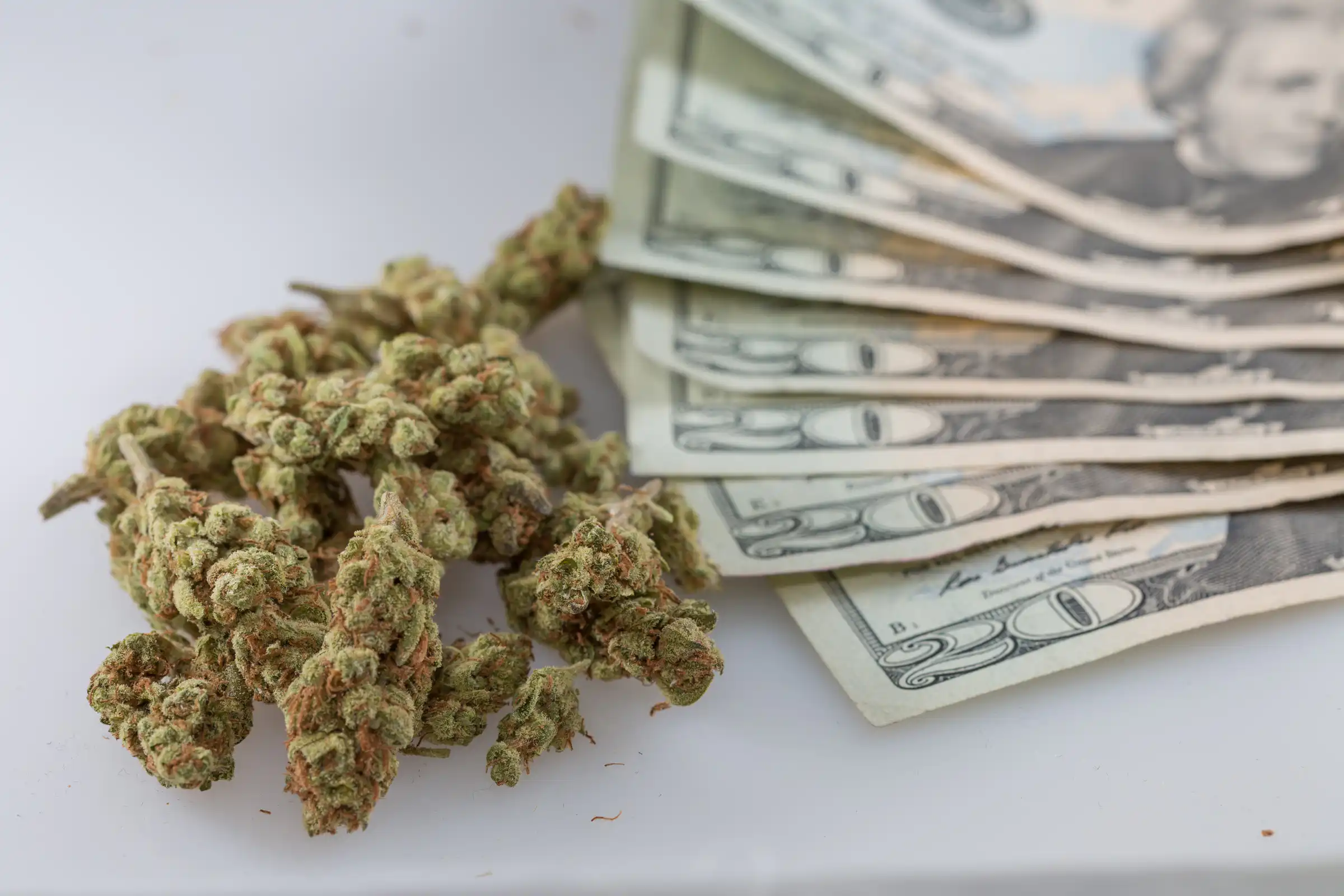
West Virginia medical marijuana revenue, the kind that stacked up in a lonely state account like unsent love letters, finally got a forwarding address this week. On March 4, the House of Delegates signed off 79–12 on a bill to pry open nearly $38 million in fees and taxes that had been gathering dust while officials clutched their pearls over federal prohibition. In a state that knows the price of pain, that kind of legal cannabis revenue shouldn’t sit idle. This is about cannabis taxation with a conscience, about whether the West Virginia cannabis market helps pay down the debts of a hard century—treatment, research, and community triage—or keeps pretending a Schedule I label is a force field. Lawmakers chose motion over mothballs. They carved, bargained, and—depending on your taste—seasoned the pot. What emerged is a messy compromise that says as much about our politics as it does about marijuana policy reform: we’ll fund what helps, we’ll argue about what scares us, and we’ll live with the moral hangover in the morning.
The sharpest knife in that carve-up was psychedelics. Del. Michael Hite muscled through a razor-thin amendment, 47–46, to shovel $10 million each to West Virginia University and Marshall University for ibogaine research. If you haven’t heard of it, ibogaine is the rough-neck cousin in the psychedelic family—used in other countries to haul people through the rattling horror of withdrawal, and notorious for cardiac risks that make regulators sweat. Earlier in the session, the House had already blessed FDA trials in the state, giving this moonshot a launch pad. Critics balked at using cannabis dollars to bankroll a hallucinogen; backers said it’s called substance use disorder for a reason—if ibogaine can crack that lock, why not try the key we have? The debate spooked purists, including voices who warned against drifting off-mission. As Sen. Mike Woelfel put it without varnish, I don’t want to waste the money on something not dedicated to cannabis.
On the ground, another amendment landed with a softer thud: Del. Evan Worrell tacked on $5 million for homeless services after a bruising fight over a public camping ban. That one cleared 59–34—less controversy, more conscience.
Where the money goes now
Strip away the grandstanding and you’re left with line items and lifelines. The bill turns abstract cannabis industry impact into receipts. Here’s the shortlist that matters to families, labs, and the late shift at the shelter:
- $10 million to West Virginia University for ibogaine research.
- $10 million to Marshall University for ibogaine research.
- $5 million to homeless services statewide.
- Plus continued flows under the 2017 framework: Marshall University for marijuana research, WVU for substance use disorder research, deposits to the Fight Substance Abuse Fund, and grants for local law enforcement.
It took this long because the Treasurer’s Office insisted the cash couldn’t move while marijuana wore the federal black hat—even as dozens of states spent similar funds without the sky falling. That excuse finally met a legislature tired of explaining why money generated by a legal state program couldn’t be used to address the very harms it was supposed to confront. If cannabis policy is a social contract, this is the state signing its name—shaky pen or not.
West Virginia in the wider drift of reform
Context is the map that keeps you from driving in circles. Across the country, lawmakers are sketching bolder lines between access, public health, and public safety—often with cannabis dollars as ink. In Colorado, the legislature moved patient care out of the shadows with Colorado Lawmakers Approve Bill To Allow Medical Marijuana Use In Hospitals By Terminally Ill Patients, a humane nod to dignity at the edge of life. Virginia tightened a different screw, aiming at justice system cleanup with Virginia Legislation To Provide Marijuana Resentencing Relief For Prior Convictions Heads To Governor’s Desk. Hawaii kept the bureaucracy from tripping patients at the door, as another committee advanced same-day access in Another Hawaii Committee Approves Bill To Let Patients Access Medical Marijuana Without Waiting For Registration Processing. And Maryland punched a clock for first responders’ off-duty rights in Maryland Senate Passes Bill To Let Firefighters And Rescue Workers Use Medical Marijuana While Off Duty. Each move reframes cannabis not as a cultural wedge but as infrastructure—medicine in hospitals, relief in the courts, efficiency in public services, relief for workers. West Virginia’s choice to direct medical marijuana revenue follows that line, even as it courts controversy with ibogaine’s hard questions.
The trade-offs, unvarnished
Here’s the part no one wants to hear after the vote tally: every dollar has a ghost. Money for ibogaine might be a bet on breakthroughs—or a distraction from building out bread-and-butter cannabis research, clinical training, and treatment capacity. Allocations to homeless services will help real people, tonight, but they sit awkwardly beside a camping ban that criminalizes sleeping outdoors. Law enforcement grants can shore up capacity, yet they stoke fear that cannabis funds drift back into policing the same communities disproportionally bruised by the drug war. The real test isn’t today’s applause but tomorrow’s outcomes. Does the cannabis funding ecosystem reduce overdose deaths? Expand access to evidence-based treatment? Generate transparent, peer-reviewed research that clinicians trust? That’s the metric. Until then, the state has moved from stasis to motion, from clinging to federal ghosts to writing its own ledger. It’s imperfect. It’s contested. But for once, the money isn’t hiding. If you want to keep tracking where cannabis policy meets reality—and to explore what premium THCA can mean for your own ritual—step into the shop and take a careful look: https://thcaorder.com/shop/.