
Virginia Marijuana Sales Legalization Bill Moves To Senate Floor Vote, Teeing Up Negotiations With House
Virginia marijuana sales legalization is finally shedding its training wheels, clanking out of committee on a 7–5 vote and rolling toward a Senate floor showdown. It’s not champagne yet, but it’s no longer a backroom whisper. The bill from Sen. Lashrecse Aird tightened its laces, ditched some last-minute criminal penalties, and lined up for negotiations with a House version moving in parallel. That means the Commonwealth’s long, awkward limbo—where adults can possess and home-grow but can’t buy legally—is getting an exit ramp. Think of it as a late-shift diner order finally called up: hot plate, extra grit. The stakes? Nothing less than the shape of the Virginia cannabis market, how cannabis taxation will work, who gets a seat at the table, and whether legal cannabis revenue shows up in classrooms and treatment programs—or gets lost on the cutting-room floor.
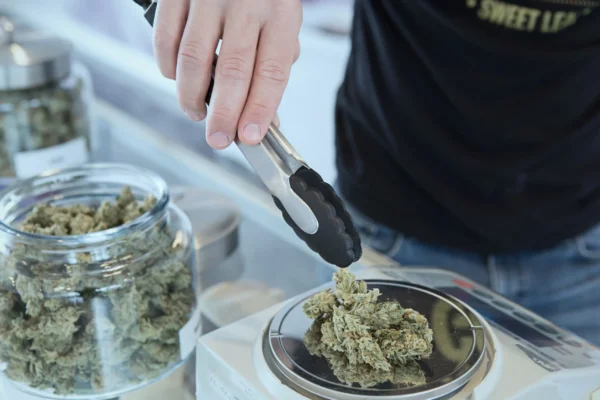
Under the Senate’s latest rewrite, the bones look sturdy. Medical operators pay a $15 million conversion fee to enter the adult-use lane, and the tax math aims for a clean 17 percent total: a 12.875 percent excise layered with 1.125 percent state sales tax plus a mandatory 3 percent local cut. Regulators would be folded into a single Alcoholic Beverage and Cannabis Control Authority—an elegant, slightly bureaucratic portmanteau with real muscle—tasked to police packaging, product registration, and background checks, while keeping banking realities firmly in view. Internet sales are out, delivery is in, and that’s a nod to brick-and-mortar oversight without pretending we still live in a world of paper menus. Purchase limits? Up to 2.5 ounces per transaction. Potency? Capped at 10 mg THC per serving, 100 mg per package—the kind of rules you make when you want commerce without chaos. The Senate’s clock starts tick-tocking January 1, 2027; the House would spark up sooner, on November 1, 2026. Localities can’t opt out. Revenue is slated to cover implementation and enforcement, seed a Cannabis Equity Reinvestment Fund, help fund pre-K, and bolster public health and substance use programs. And there’s homework for the future: study on-site consumption, microbusiness event permits, and how alcohol regulators might continue sharing the wheel if the market proves slippery.
If the tax architecture and conversion fees are the scaffolding, the real human story is in what the Senate yanked back out: a tangle of new criminal penalties that crept into the bill like bad seasoning. Lawmakers stripped out recriminalizing possession for people under 21; they cut penalties for buying from unlicensed sellers; they walked back felony escalations for unlicensed cultivation and transporting with intent across state lines. Advocacy groups had sounded the alarm—this wasn’t just about cannabis policy reform, it was about not backsliding into the same old traps. The larger justice drum is beating too, with a separate track for resentencing people with prior marijuana convictions and fresh protections for parents who use cannabis in compliance with state law. It’s a recognition that prohibition didn’t just fail—it failed people. America loves a redemption arc, even when it arrives belatedly and bruised. The country’s whiplash on punishment and forgiveness is the backdrop, from governors’ veto pens to splashy headlines like Trump Pardons Former NFL Star Convicted Of Trafficking 175 Pounds Of Marijuana. Virginia’s bid is humbler and more granular: unwind the damage, build a market that doesn’t immediately tip back toward cuffs and court calendars.
Of course, the devil is in the dispensary details. A $15 million on-ramp favors well-capitalized medical incumbents. Social equity ambitions will be tested against the cost of real estate, compliance, and surviving the early days when legal shelves are thin and illicit sellers are still answering texts at midnight. A 17 percent combined tax sits in that Goldilocks zone many states chase—low enough to tempt consumers, high enough to make a budget director purr—but the prohibition on internet sales could dampen access for rural buyers and those without easy transportation. Banking clarity is a relief, but quality control and sampling protocols will matter just as much—ask regulators out West wrestling to keep labs honest, where Colorado Officials Weigh Changes To How Marijuana Is Sampled For Testing To Help Avoid Fraud. Then there’s the hemp wild card. While Congress toys with easing the hemp sector’s choke points—see the headline about a new blueprint that New Farm Bill Released By GOP Committee Chair Aims To Reduce Hemp Industry ‘Regulatory Burdens’—states are still swatting at intoxicating hemp loopholes, witness the stalled effort next door where a Missouri Bill To Restrict Hemp THC Products Stalls Amid Senate Filibuster. Virginia’s rules will have to thread that needle, or risk a two-tier system where regulated cannabis fights a price and convenience war against strip-mall hemp.
For now, the path is clear enough to see the mile markers: Senate floor vote, conference wrangling with the House, and a governor who’s signaled support for adult-use sales. The to-do list is long, but the North Star is simple—move product safely, tax it sensibly, reinvest the proceeds, and don’t re-criminalize your way out of progress. Get that right and legal cannabis revenue becomes more than a talking point; it becomes buses that arrive on time and pre-K classrooms that don’t have to raffle bake sales for crayons. Get it wrong and you’ll still smell the skunky perfume of the legacy market perfuming Saturday nights. Virginia doesn’t need to be perfect; it needs to be honest, flexible, and fast enough to matter. If you’re ready to explore what’s next in this evolving landscape, take a look at our shop.