


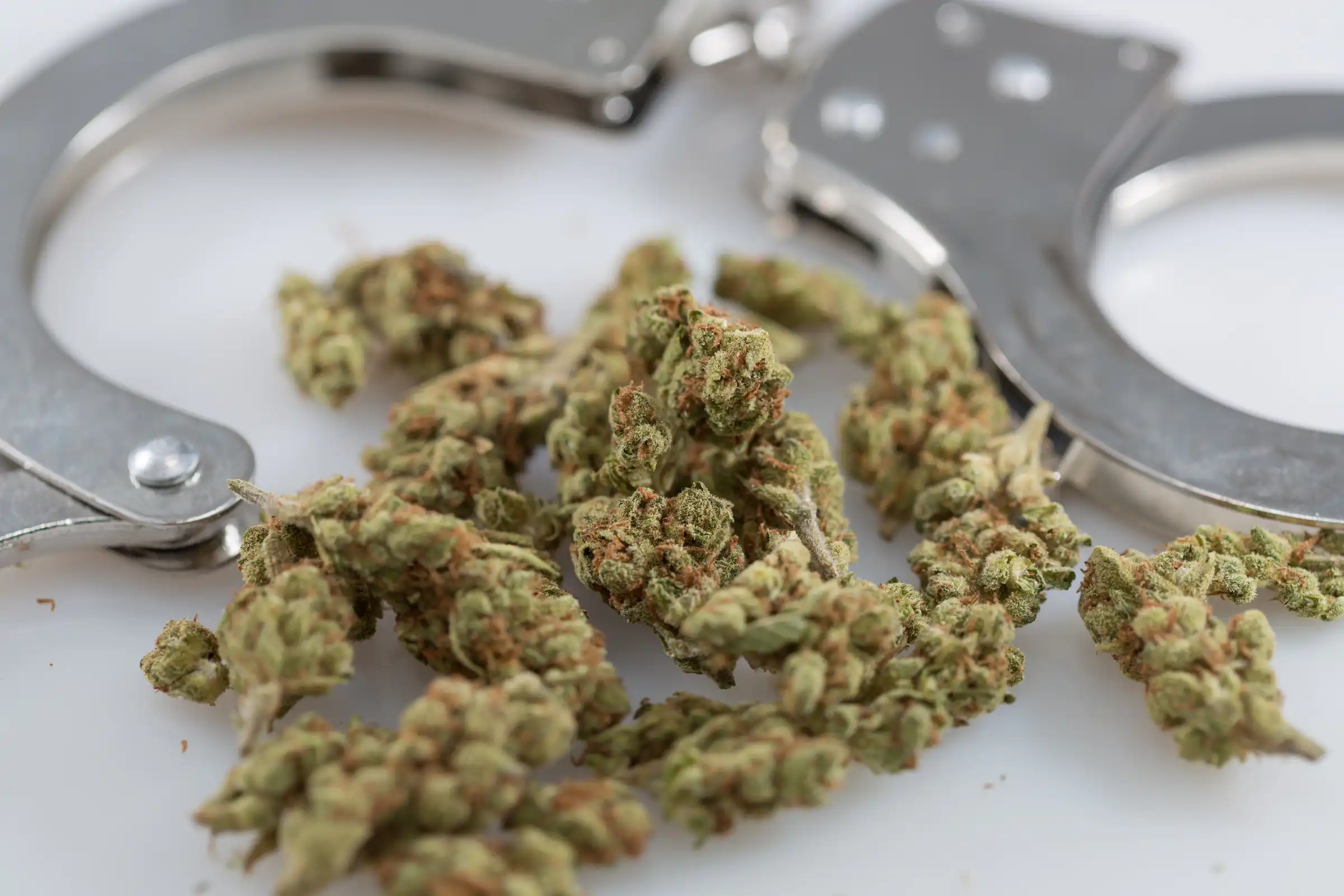
Virginia Lawmakers Advance Marijuana Resentencing Bills As Push To Legalize Commercial Sales Also Nears Finish Line
Virginia marijuana resentencing bills aren’t just knocking at the door—they’ve walked into the room, kicked off their boots, and asked for the check. In a pair of mirror-image moves, the House and Senate Courts of Justice panels advanced companion reforms that would give people with old marijuana convictions a shot at shorter time—or no time at all—through automatic resentencing hearings. Think of it as a recalibration of justice for conduct that the Commonwealth stopped criminalizing on July 1, 2021, when it green-lit personal possession and home grow. Lawmakers swapped in substitute texts, smoothing rough edges and setting the stage for a bruising—but doable—round of bicameral horse-trading. It’s Virginia’s classic stew of policy and politics: one part mercy, one part math, simmered over an open flame of shifting public opinion.
What the bills actually do—and who gets through the door
The basic architecture is clean. If you’re incarcerated or under community supervision for certain felony marijuana offenses—possession, manufacture, selling, distribution—you’d get an automatic hearing to reconsider the sentence, not a lottery ticket for release but a real chance at daylight. On paper, the House’s HB 26 and the Senate’s SB 62 sing the same chorus: make current law reflect current values. In practice, the harmonies differ. Senators pushed HB 26 forward on a close vote and sent it to Finance and Appropriations, while delegates advanced SB 62 out of committee by a comfortable margin. Both measures cover conduct from the pre-legalization era, back when carrying a plant could reroute your life. The big question now isn’t whether relief exists; it’s how wide that relief opens.
- House bill adds juveniles to the eligible pool.
- House clarifies that judges weigh cannabis offenses only, not a person’s entire rap sheet.
- House includes people who picked up probation violations tied to marijuana.
- Senate version carves out more categories and expands disqualifying violent offenses—fewer doors unlocked, more locks checked twice.
The legalization drumbeat—and the market breathing down the door
Meanwhile, a separate train keeps clacking toward the station: adult-use cannabis sales. With the memory of past vetoes still hanging like smoke in the rafters, lawmakers on both sides of the Capitol have kept commercial legalization bills moving, and this time there’s a governor who favors opening the storefronts. The outlines hew to a commission’s retail roadmap—guardrails, licensing, tax flows—because markets don’t run on vibes alone. They need rules with teeth. Other states are sharpening those teeth right now; see Missouri’s recent push to tighten compliance and weed out the opportunists in its legitimate market, a playbook sketched here in Missouri Marijuana Officials File New Rules Targeting Bad Actors In Legal Industry. Virginia’s version won’t be a copy-paste job, but it’s learning from the neighbors. If lawmakers can align resentencing with retail, they’ll marry justice reform to revenue—and avoid the hypocrisy of selling product on Main Street while old cases still echo in cellblocks.
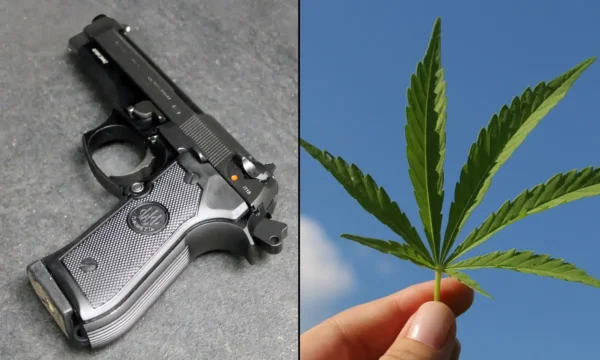
Of course, Virginia doesn’t legislate in a vacuum. National crosscurrents keep shoving at the rudder. Police unions and prohibitionist outfits are pressuring Congress to slam the brakes on hemp-derived intoxicants—an anxiety-laced gambit captured in Police And Anti-Drug Groups Call On Key Congressional Leaders To Let Hemp THC Ban Take Effect Without Delay. At the same time, federal courts are poking holes in the old drug-war logic, with justices openly mulling how marijuana’s shifting legal status complicates bans in other domains, like firearms—an uneasy intersection unpacked in Supreme Court Justices Suggest Trump’s Marijuana Rescheduling Move Undermines Gun Ban For Users That His DOJ Is Defending. If you’re a Virginia judge weighing a resentencing petition, or a regulator sketching out license rules, this is the noise outside your window—the off-key brass band you can’t quite ignore. The Commonwealth’s job is to write law clear enough to be heard over that din.
Then there’s the human layer—the part that never shows up in fiscal notes. Lawmakers in Richmond are also stitching together related fixes: bills to let hospitals accommodate medical cannabis for seriously ill patients; another to protect parents who use cannabis lawfully from custody fallout; and workplace guidance reminding employers that the world has changed since “Just Say No.” Over the border, the tide keeps rolling in, too; Maryland’s move to shield off-duty first responders who use medical cannabis is one more nudge toward normal, chronicled in Maryland Senators Approve Bill To Let Firefighters And Rescue Workers Use Medical Marijuana While Off Duty. Put it together and you can feel the policy scaffolding going up—case by case, ward by ward—while Virginia’s resentencing engine warms on the pad. Watch the Senate Finance and Appropriations stop for HB 26. Watch the conference-room compromises on who’s eligible and who’s shut out. And while you’re watching the Commonwealth try to square its past with its future, take a breath, keep your palate curious, and if you’re so inclined, browse our shop for what’s next: https://thcaorder.com/shop/.