

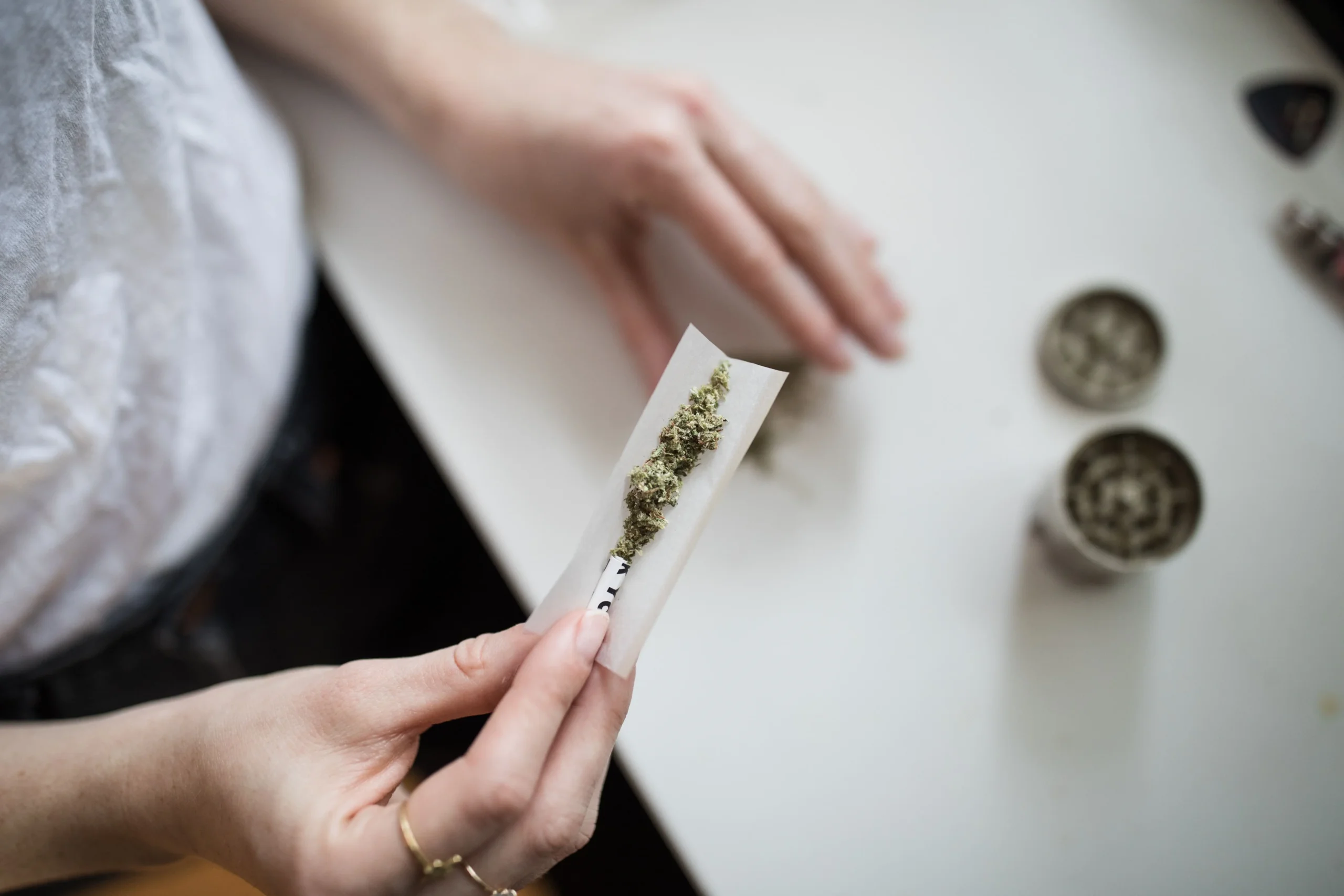
Virginia House Passes Bill To Protect Rights Of Parents Who Use Marijuana
Virginia marijuana parental rights bill clears the House, and the vote landed like a stiff shot after a long night—62 to 37, cutting through the fog of stigma with something close to common sense. The proposal is simple, even elegant in its restraint: if you’re a parent who uses cannabis legally, that fact alone can’t be used to label you unfit or rip visitation from your hands. No more whisper campaigns. No more courtroom side-eye because you traded a nightcap for a measured puff. Del. Nadarius Clark’s HB 942 is less a revolution than a recalibration—an attempt to align family law with the reality already playing out in kitchens and living rooms across Virginia. He tried this last session. It got vetoed. New year, new governor, new calculus. And a long-overdue nod to the principle that legal behavior shouldn’t, by itself, make you a bad mom or dad.
What the bill actually says—and why it matters
The bill codifies a bright-line rule: lawful cannabis possession or consumption by a parent or guardian isn’t, on its face, proof of abuse or neglect—or grounds to limit custody—unless there’s evidence it causes harm or real risk to a child. It keeps the judge’s gavel right where it belongs—on the fulcrum of facts. Not moral panic. Not presumption. Facts. Read the text of HB 942 and you’ll see the architecture is built around “best interest of the child,” as Virginia law has long required. But it refuses to treat legal cannabis use as a scarlet letter. In other words, you can’t lose your kid over a lawful joint any more than you would over a lawful glass of merlot—unless there’s proof the child is endangered. That’s what reform looks like: targeted, defensible, and actually useful to the people who need it most—parents in the grinding gears of family court and child welfare.
Legal use isn’t neglect. Harm is. That’s the line this bill draws in ink, not rumor.
The fear, the facts, and the edible in the room
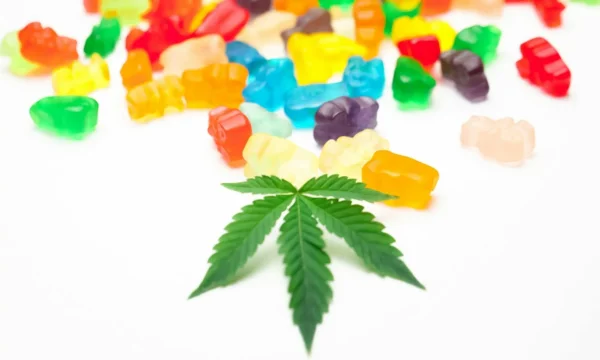
Opponents point to a rise in kids accidentally ingesting cannabis-infused products since legalization. It’s a serious concern. No one’s shrugging at ER data or pretending gummy bears can’t be trouble when they look like, well, gummy bears. But the bill doesn’t license recklessness. It preserves judicial discretion to act when a child is actually at risk. This is evidence before judgment, not judgment before evidence. Other states are wrestling with the same tensions. Oregon lawmakers, for example, are debating stricter caps on THC in edibles to tamp down access and accidental exposure—see Oregon Lawmakers Consider Banning Marijuana Edibles With More Than 10 Milligrams Of THC. And on the other end of the spectrum, access and dignity in healthcare keep edging forward: the Virginia Senate just backed legal protections for hospital staff to help terminally ill patients use medical cannabis if federal rescheduling lands. Washington State, for its part, has already pushed forward on the patient-rights frontier with the move detailed in Washington House Passes Bill To Let Terminally Ill Patients Use Medical Cannabis In Hospitals. The throughline? Smart cannabis policy is granular. It confronts harm where harm exists, and it stops punishing lawful adults for being lawful adults.
Virginia’s wider cannabis map: progress, potholes, and a moving finish line
Zoom out, and HB 942 is just one piece of a larger puzzle Virginia’s been trying to solve since it legalized possession and home grow in 2021. Lawmakers are again moving to set up adult-use retail—House and Senate bills exist, but they don’t agree on timing. One version would put sales on shelves by November 1 of this year. Another punts to January 1, 2027. Meanwhile, amendments in the Senate have drawn fire for layering in new penalties around underage possession and unlicensed cultivation. Advocates want legalization without resurrecting the very criminalization it’s supposed to displace. Alongside that fight, resentencing legislation is advancing to make sure people punished under old rules get a fresh look under the new ones. And the state labor department recently rolled out guidance on workplace protections for cannabis consumers—another guardrail in a system still learning its own turns. Across the country, the policy picture is just as uneven. Some states are easing the load on patients, like the move chronicled in Florida Senators Approve Bill To Increase Medical Marijuana Supply Limits And Slash Patient Fees For Veterans. Others are hitting pause or backpedaling, as you can see in Hawaii Marijuana Legalization Bills Are Likely Dead For 2026 Session, Key Lawmakers Say. Virginia’s new governor, Abigail Spanberger, is more open to reform than her predecessor. That alone could change the trajectory.
For families, the stakes are immediate
Parents don’t live in the abstract. They live in custody exchanges in Wal-Mart parking lots and Zoom hearings where the mute button sticks. HB 942 tells those parents the state won’t treat lawful cannabis use as an automatic character flaw. CPS caseworkers still have tools. Judges still have latitude. But now the standard is clear: show harm, show risk, show facts—then act. It’s a guardrail against bias, not a hall pass for negligence. If the Senate signs off and the bill reaches a willing pen in the governor’s office, Virginia parents get a rulebook that matches the world they already inhabit: legal cannabis is legal, and parenting is measured by what keeps kids safe. Keep your edibles locked up. Show up for your kid. And if you want to explore compliant, high-quality options in this evolving landscape, take a look at our shop: https://thcaorder.com/shop/.