



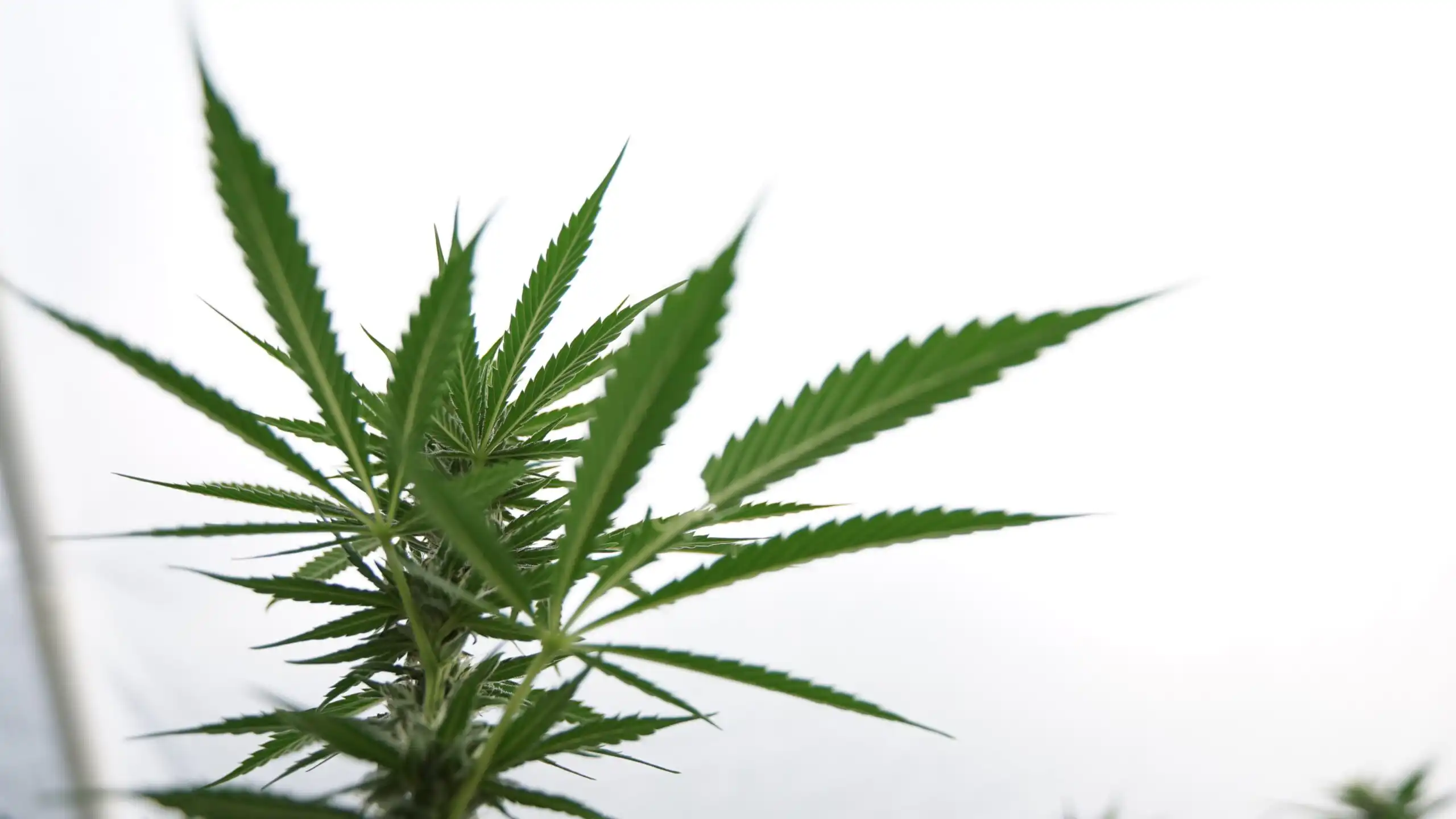
Virginia House And Senate Lawmakers Advance Marijuana Sales Legalization Bills Toward Governor’s Desk
Virginia marijuana sales legalization inches toward the finish line
Virginia marijuana sales legalization is no longer a rumor traded over barstools and back porches—it’s paperwork in motion. The House and Senate have each hauled companion bills up the hill to create a regulated adult-use cannabis market, trying to turn 2021’s awkward halfway house—possession and homegrow allowed, no legal storefronts—into a full-blown Virginia cannabis market you can actually walk into. It’s not pretty. It’s politics. But it’s real, and it’s moving, one committee vote at a time.
Two vehicles, same destination: HB 642 and SB 542. Both now say microbusinesses can run up to two spots within 10 miles under common ownership, a nod to reality in a state where density and distance are a daily grind. Lawmakers tightened the screws on medical operators, too—indoor grows only, secure greenhouses allowed, canopy capped at 70,000 square feet. And the golden ticket for medical companies angling into adult-use? A conversion fee they can pay in installments. The punchline is still being written on start dates and tax rates—two numbers that decide whether this thing hums, sputters, or starves the very market it’s trying to legitimize.
- Sales start: House targets November 1, 2026; Senate says January 1, 2027.
- Cannabis taxation: Senate—12.875% excise + 1.125% state sales + mandatory 3% local. House—6% excise + 5.3% retail sales/use tax + up to 3.5% local.
- Purchase limits: Up to 2.5 ounces per transaction, or equivalent as set by regulators.
- Product limits: 10 mg THC per serving, 100 mg per package.
- Licensing & control: House keeps it with the Virginia Cannabis Control Authority; Senate folds it into a combined Alcoholic Beverage and Cannabis Control Authority.
- Revenue distribution: Competing splits between equity reinvestment, early childhood education, behavioral health, and public health—same buckets, different pours.
- Local rules: No opting out. Delivery allowed statewide.
- Medical operators: Adult-use entry via conversion fees—$10 million (House) or $15 million (Senate)—with an installment option.
- Workforce: Labor peace agreements required.
- Next up for study: On-site consumption licenses, microbusiness event permits, and whether ABC muscle gets deeper into cannabis enforcement.
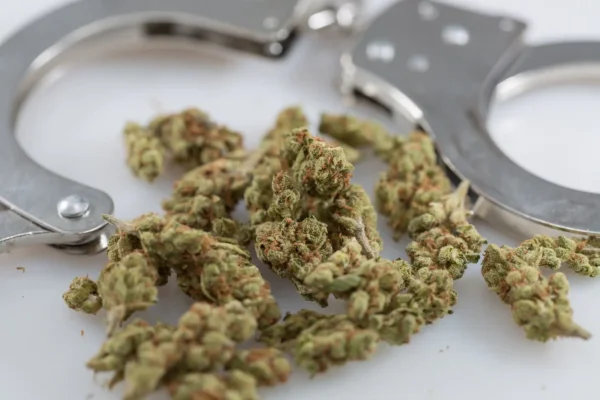
There was an ugly detour. One committee tried to lace the Senate bill with new penalties—recriminalizing youth possession, smacking buyers who stray into the illicit market, hiking cultivation charges into felonies and tacking on mandatory jail for repeat sales. After blowback from advocacy groups, those handcuffs came off in Finance and Appropriations. The center of gravity stayed where it belonged: regulate, tax, and undercut the illicit market without resurrecting the ghosts of criminalization. Add a governor who supports legal adult-use sales and a few Republicans crossing the aisle, and the road—while potholed—looks passable.
What does this mean for the cannabis industry impact and legal cannabis revenue? The math matters. A lower House excise paired with standard sales tax could invite price-sensitive consumers to ditch the gray market. The Senate’s higher take might plump state coffers but risks sticker shock. Microbusiness flex at two locations helps with survival, but indoor-only rules for medical operators and fat conversion fees will test margins. Equity reinvestment funds and behavioral health earmarks are the policy soul of this project—money where the rhetoric is. And Virginia’s parallel moves—like letting patients use medical cannabis in hospitals—mirror a broader patient-first trend we’re seeing, as in the Pacific Northwest where Washington Senators Approve Bill To Let Terminally Ill Patients Use Medical Cannabis In Hospitals. Zoom out, and the map keeps shifting: Connecticut is tuning its mental health toolkit as Connecticut Lawmakers Approve Bill To Expand Psychedelics Pilot Program In Anticipation Of FDA Approval, while midwestern politics collide with the hemp economy, as seen when Wisconsin Governor Pushes To Stop Federal Hemp THC Ban, Saying Lack Of Legal Marijuana In State Makes The Impacts ‘Intensified’. And if you think federal rescheduling alone will steady the ship, pull up a chair and read why it won’t without a plan for insurance coverage: Trump’s Cannabis Rescheduling Move Alone Won’t Stabilize The Industry Without Insurance Reimbursement Reform (Op-Ed).
Back in Virginia, the details still bite. Delivery services will matter in rural stretches where the nearest dispensary is a two-tank trip. No local opt-outs mean a level field on paper, but zoning boards will test that promise. Resentencing bills are moving too, and lawmakers are clarifying that parents who follow state law shouldn’t lose custody over a joint. That’s the marrow of marijuana policy reform: not just selling legal flower, but unwinding harm and building a market that pays for schools and stabilizes communities. If the legislature stitches these two bills into something coherent—start dates locked, cannabis taxation balanced, regulators clear-eyed—legal sales could finally arrive in late 2026 or the first sunrise of 2027. Until then, keep your wits about you, follow the rulebook as it’s written today, and when you’re ready to explore the compliant side of the plant, finish the journey here: visit our shop.