

Use Of Medical Marijuana Or Hemp Doesn’t Excuse Drug Testing Violations, Trump’s Transportation Department Warns
DOT drug testing THC policy, spelled out like a last-call warning
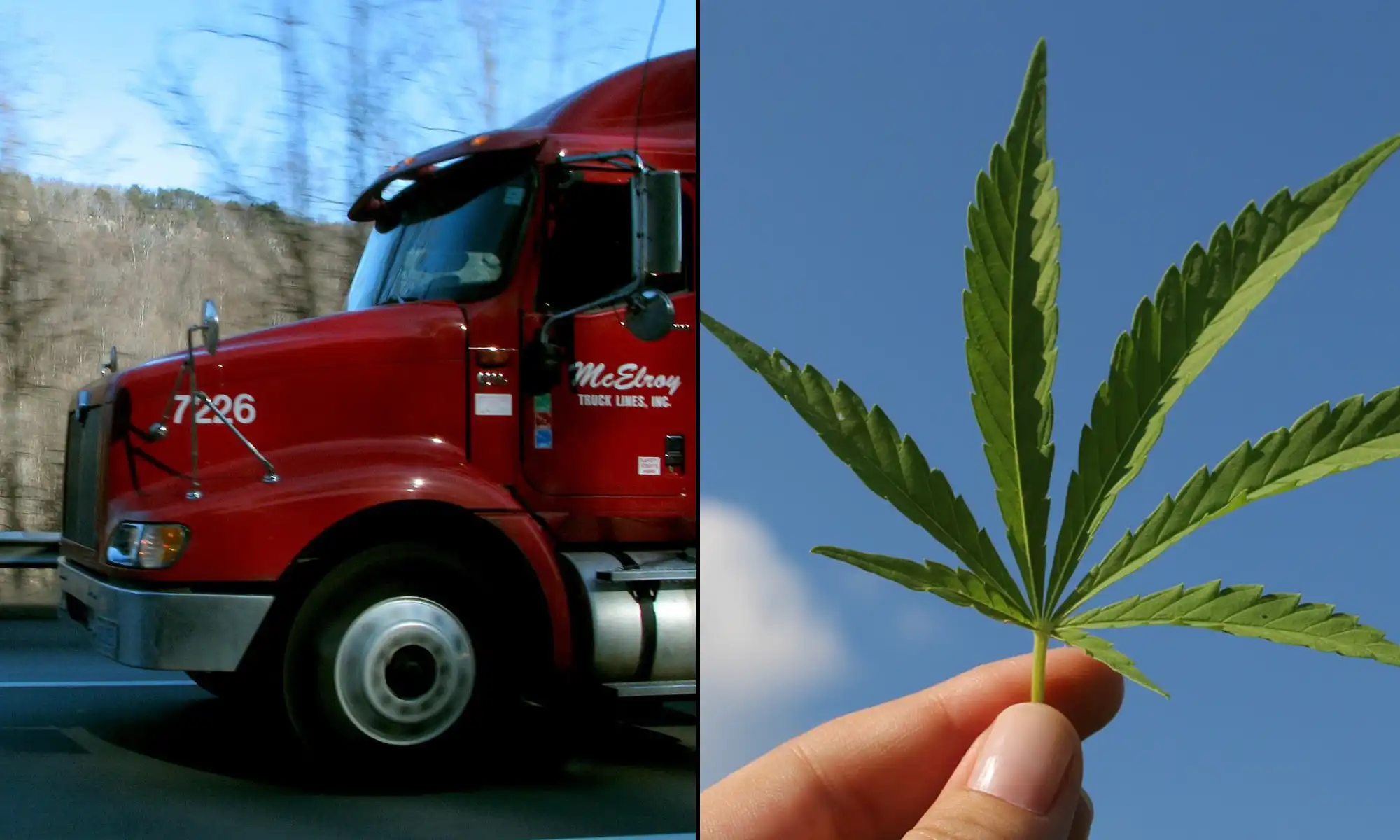
Here’s the late-night truth, poured neat: under the DOT drug testing THC policy, there’s no magic phrase, no doctor’s note, no artisanal hemp oil that buys you forgiveness. The federal notice landed like a bartender flicking the lights—time to face the bill. Substance Abuse Professionals (SAPs) were reminded that for safety-sensitive workers—drivers, pilots, engineers, pipeline techs—the rules haven’t budged. A verified positive is a violation, full stop, and the gatekeepers charged with sending someone back behind the wheel aren’t allowed to consider tales of medical marijuana, CBD-laced tinctures, or cosmic “contact positives.” It’s not new; it’s the Code of Federal Regulations talking, resurfaced because too many people seemed to think there was wiggle room where there isn’t. The roles that move America—the school bus at dawn, the oil tanker cutting black water, the train’s steel heartbeat under a sleeping city—are governed by a standard that prizes public safety over personal narratives.
“The SAP’s responsibility to the public is enormous.”
What the rule says, in plain English
The citation is 49 CFR Part 40, Section 40.293. In practice, it means this: when a lab has already verified a positive, the SAP must assume a DOT drug and alcohol regulation has been violated. Their job is to evaluate and recommend treatment and a return-to-duty plan—not to relitigate chemistry, argue calibration, or elevate personal beliefs. The regulation is painfully explicit about what can’t be weighed as “mitigating” in THC cases. If you work a safety-sensitive job, and your test is positive, the SAP cannot consider the following when deciding your path back:
- Claims that the test was unjustified or inaccurate
- Use of “medical marijuana,” even in a state where it’s legal
- Use of hemp oil or CBD products that may contain enough THC to trigger a positive
- “Contact positives” (passive exposure) defenses
- Poppy seed ingestion for opioid screens
- Job stress or personal hardship
- The SAP’s own personal opinions about drug testing
State reforms meet the federal wheelhouse
Zoom out and you see the culture clash. States keep moving—some quickly, some like they’re wading through molasses—reforming cannabis and adjacent policies bit by bit. Hospitals in one corner of the map are inching toward compassion with measures like the Washington Bill To Allow Medical Marijuana Use In Hospitals Heads To Governor’s Desk. In the Mid-Atlantic, lawmakers are wrangling with a retail future and restorative justice through the Virginia Marijuana Bills Near Finish Line With Votes On Legalizing Sales And Resentencing Prior Convictions. But the minute your job falls under federal transportation rules, the patchwork quilt of state policy gets folded up and shelved. DOT’s standard is national, blunt, and intentionally narrow. It does not care if your state issued a card, if your doctor nods approvingly, or if your CBD says “non-intoxicating” in friendly font. Safety-sensitive means the public stakes are high, and the feds aren’t in the mood to gamble. That’s the tension humming underneath the policy conversation: a country liberalizing at the edges while its federal core, especially in transportation, keeps its spine straight.
New testing tech, old fault lines
There’s some evolution, but it’s the clinical kind, not the cultural kind. DOT greenlit saliva testing as an alternative to urine—a practical shift with meaningful consequences. THC in saliva typically hangs around for a shorter window, often one to 24 hours depending on use. That could mean fewer positives from last weekend haunting Monday morning. There’s also a tidy bureaucratic tune-up underway: federal agencies aligning cannabis terminology so that “THC” and its cousins are defined with more precision. And Congress keeps nudging for an objective impairment standard—something that can tell the difference between a worker who is high now and a worker whose cannabinoid tail lights are just visible in the rearview mirror. Meanwhile, states layer in their own compassion plays, like the push to lower costs for those who served in the Florida Lawmakers Pass Bill To Provide Discounted Medical Marijuana Cards For Military Veterans, and venture into adjacent frontiers, as seen with the Hawaii Senators Advance Bill To Create Psychedelics Task Force And Study Pathways To Access Psilocybin And MDMA. But none of that, today, moves the DOT needle on return-to-duty decisions after a positive THC result.
What this means on Monday morning
If you’re an employer, stop hoping sympathy will square with compliance. Build clear policies that mirror Part 40. Educate your people about the risks of hemp-derived products and the difference between presence and impairment. If you’re a safety-sensitive worker, understand the terrain. Medical authorization won’t rescue a positive. CBD or “hemp oil” can carry enough THC—especially in mislabeled or poorly vetted products—to light up a test. If you’ve violated, the SAP is your navigator through treatment, education, and the return-to-duty process; they can guide your route, but they cannot erase the map. The larger policy arc may bend toward a science-based impairment standard and saner off-duty boundaries, but until it arrives, the rule is the rule. Stay informed, keep your receipts (Certificates of Analysis, dosing logs), and when in doubt, don’t dose before duty. And if your off-hours include exploring compliant, high-quality hemp options, take the scenic route through our shop: https://thcaorder.com/shop/.