Trump’s Marijuana Rescheduling Move Shows Gun Ban For Consumers Is Outdated, ACLU Lawyers Tell Supreme Court
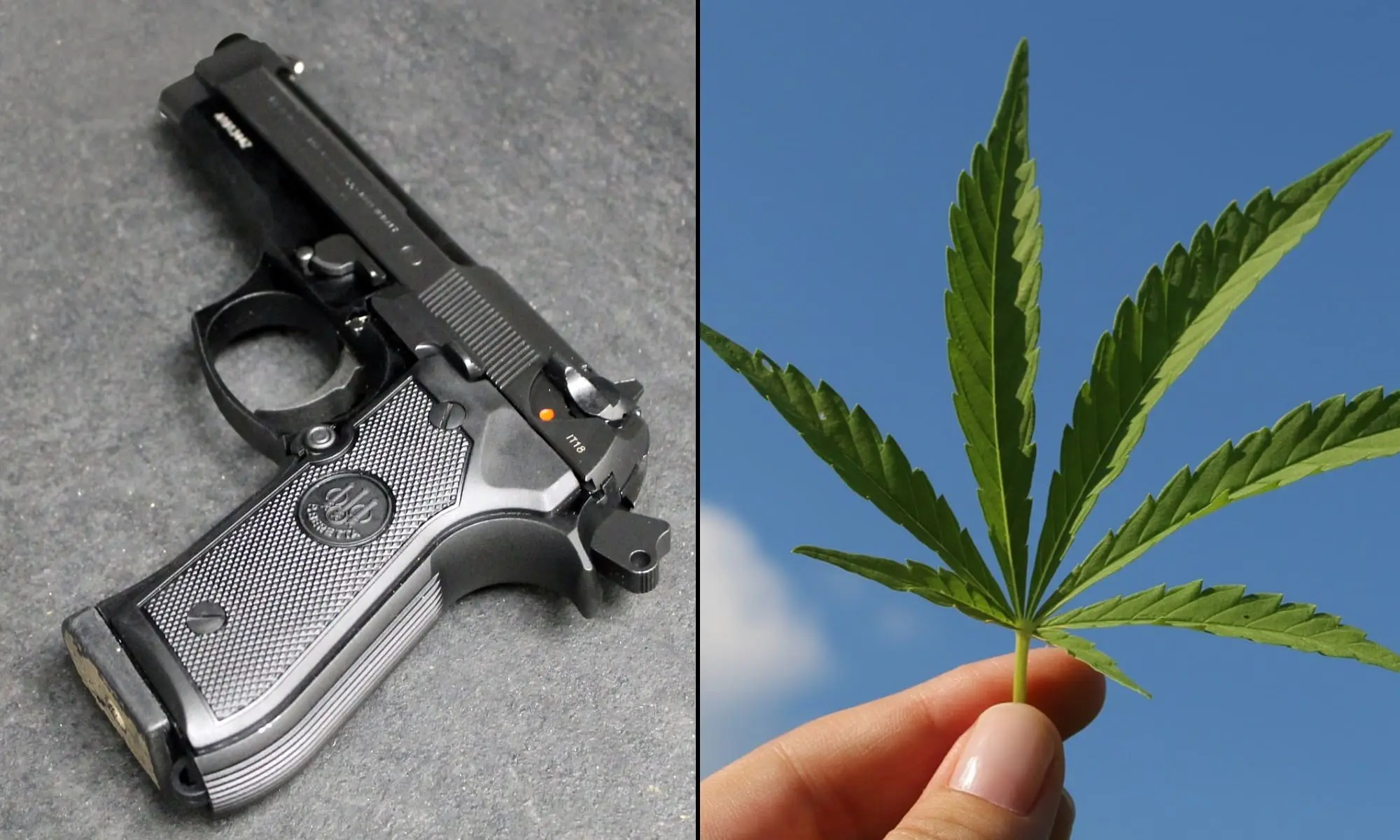
Federal gun ban for marijuana consumers faces its toughest test yet. In a country where the jukebox hums, the barstools wobble, and rights are debated between sips, the collision between cannabis and the Second Amendment has finally stumbled into the harsh light of the U.S. Supreme Court. The case centers on 18 U.S.C. §922(g)(3), the federal rule that says if you’re an “unlawful user” of a controlled substance—even a few puffs a week—you can’t possess a firearm. ACLU attorneys for Ali Danial Hemani argue the statute is both historically off-base and constitutionally vague, a blunt instrument masquerading as public safety. The timing lands like a punchline: President Donald Trump has directed the swift completion of cannabis rescheduling to Schedule III, with Attorney General Pam Bondi tasked to get it done, acknowledging medical value and lower abuse risk relative to the old boogeymen. Meanwhile, ATF is moving to tighten the definition of who counts as an “unlawful user,” steering away from the absurdity that a single use months ago could nuke your gun rights. The culture’s already shifted; the policy scaffolding is creaking to catch up.
The government’s case leans on a familiar refrain: disarm those deemed “dangerous,” a line that historically fell on drunkards mid-bender or people actively impaired—situations where harm wasn’t hypothetical. Hemani’s team says that’s not our world now, not with a majority of states recognizing some lawful form of marijuana and millions of adults consuming without chaos. They call §922(g)(3) draconian, and the “unlawful user” label unmoored from any clear temporal link to impairment. If your cannabis use is periodic, at home, and not tethered to the moment you handle a gun, where’s the historical analogue for a categorical ban? That’s the test the justices set in recent gun cases: show the tradition. The feds counter with a broader narrative about illegal drugs and risk, but even Washington’s posture is thawing at the edges—consider how labor and safety debates now flirt with nuance, as in this measured rethink: Feds Should Consider ‘Relaxing’ Marijuana Drug Testing Rules For Transportation Workers, Congresswoman Says. The ice is cracking.
Look at the map. Courts across the country have been chipping away, demanding individualized judgments and proof of actual dangerousness, not stereotypes. Some appeals panels have tossed convictions or sent them back, asking the hard question: did cannabis use make this defendant a credible threat, or are we just operating on reflex? It’s not a revolution yet, but it’s a reckoning. Add in ATF’s move to pare back who gets flagged as an “unlawful user,” and Trump’s order to re-slot marijuana to Schedule III, and you have a policy tableau that looks a lot like a house in mid-renovation—plastic sheets everywhere, wires hanging, the old rules catching dust. If the Court upholds §922(g)(3) as a blanket prohibition, the government’s position hardens and prosecutors get a clearer runway. If the justices demand specificity—real ties between contemporaneous use and demonstrated risk—then the line that’s been casually painted across millions of Americans’ rights gets redrawn. Either way, this is the argument that will decide whether our laws match the lives people actually live.
Culture, for its part, already left the station. Marijuana isn’t hiding in basements anymore; it’s at weddings, backyard barbecues, and—newsflash—first dates. Most Americans don’t treat a joint like a moral scarlet letter, as reflected in this snapshot of modern attitudes: Marijuana Use Isn’t A ‘Red Flag’ In The Dating Scene, Three In Four Americans Say In New Survey. At the same time, the patchwork of rules still snags people who think they’re doing the right thing. Cross a border with a plant or a clone the wrong way, and the hammer drops—see the cautionary tale in Missouri Marijuana Businesses Fined For Bringing Clones Across State Lines In Violation Of Rules. This is the heart of the conflict: a rapidly normalizing market and culture colliding with federal laws built for a different era. And beyond cannabis, the broader drug-policy conversation is cracking open, with federal voices acknowledging medical promise and railing against research red tape—captured here: Top Federal Drug Official Touts Therapeutic ‘Promise’ Of Psychedelics And Slams Schedule I Research Barriers. The old dogmas are losing altitude.
Here’s the stakes-in-the-tabletop version. If §922(g)(3) stands as a categorical wall, millions who are otherwise law-abiding—people who can vote, parent, pay taxes, and responsibly store their firearms—remain one disclosed habit away from a felony. If the Court narrows the rule, the law starts to look more like a scalpel than a sledgehammer, aimed at proven dangerousness rather than moral panic. Either way, expect a complicated aftermath: ATF will keep tweaking guidance. Prosecutors will adjust. States will continue to legalize in their own ways, and Congress—ever late to the party—will either codify the new reality or retreat into slogans. In the end, this isn’t about excusing bad behavior. It’s about aligning law with evidence, history, and common sense. Whether you favor reform or recoil at it, you should want a rule that makes us safer without pretending that moderate cannabis use, by itself, turns someone into a cartoon villain with a gun. If you’ve read this far, you’re hungry for nuance—and maybe something fragrant and compliant to unwind with; when you’re ready, explore our selection here: https://thcaorder.com/shop/.