

Trump’s Marijuana Executive Order Details Leaked Ahead Of Announcement, Including CBD And Hemp Provisions
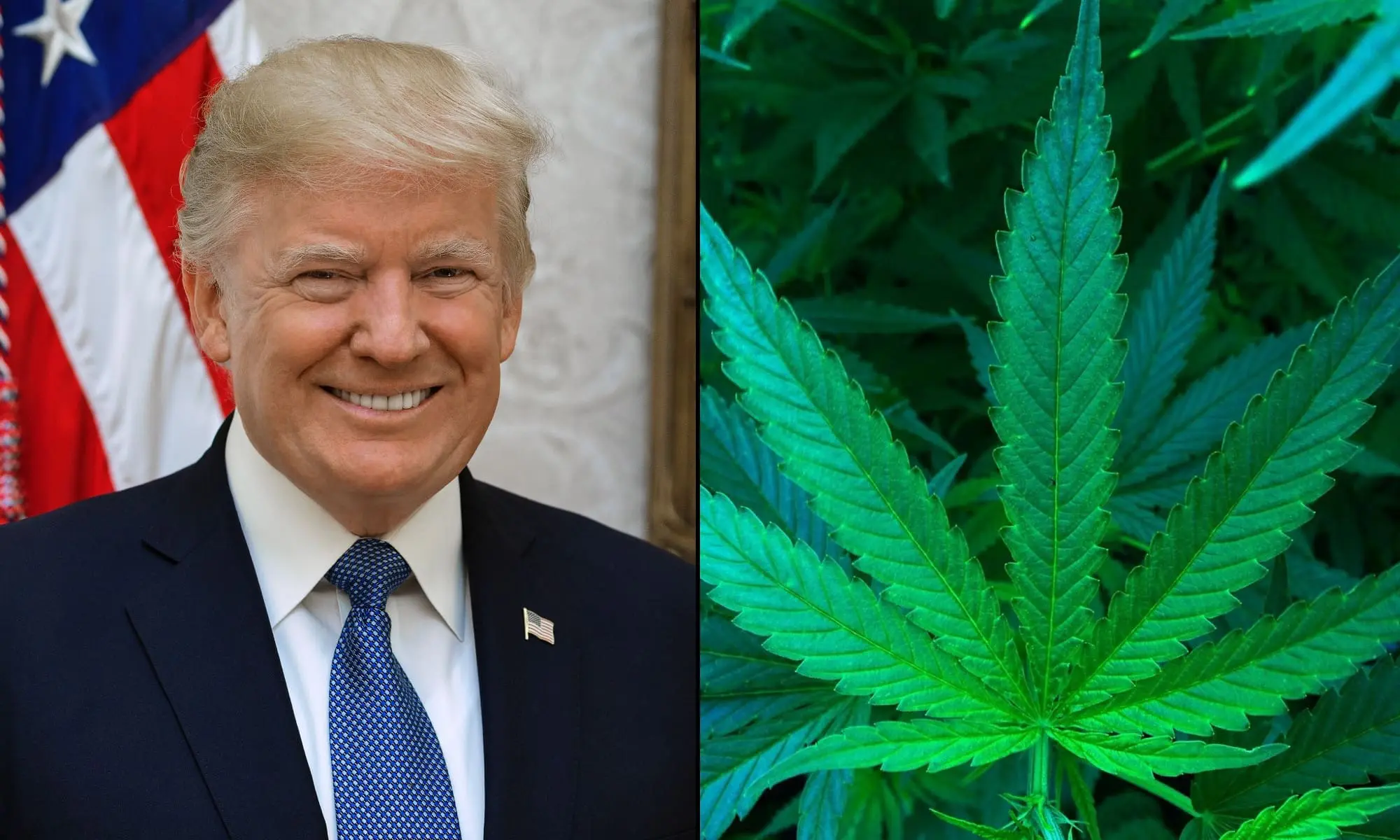
Trump marijuana executive order. Say it out loud like you’re reading a specials board after last call. It promises rescheduling to Schedule III, a lifeline for the battered hemp industry, and even a pathway to CBD under Medicare coverage. According to a background briefing by a White House official, the move isn’t legalization. It’s a wrench-turn—tightening bolts on research, loosening a few on taxation, and telling the feds to stop pretending the nation’s most talked-about plant is still a taboo mystery. The vibe is pragmatic: cannabis policy reform without the confetti, a nod to science, patients, and the cannabis industry impact that’s been limping under 280E and regulatory whiplash. If this lands as described, the center of gravity shifts—from moral panic to medical data, from punitive accounting to something closer to normal commerce.
What the order would do
- Direct the attorney general to expedite completion of marijuana rescheduling to Schedule III under the Controlled Substances Act.
- Tell senior White House staff to work with Congress so patients can access full-spectrum CBD products, while restricting items that pose serious health risks.
- Urge Congress to update the legal definition of hemp to keep full-spectrum CBD accessible, a hedge against recent policy moves that would effectively ban consumable hemp products.
- Order HHS to develop research methods using real-world evidence and improve access to hemp-derived CBD within federal law, guiding standards of care.
Here’s the punchline buried in the fine print: Schedule III doesn’t legalize cannabis. It does, however, explode a major financial barrier. By moving marijuana out of Schedule I, licensed operators could finally escape the dead hand of IRS code 280E, unlocking standard business deductions their counterparts in every other industry take for granted. That alone could recalibrate pricing, investment, and survival odds across the legal market. The order also pairs with a move at the Centers for Medicare & Medicaid Services: Administrator Mehmet Oz plans to pilot a model letting certain beneficiaries obtain hemp-derived CBD at no cost when a doctor recommends it. The caveats are tight—products must meet state and local quality laws, come from legal sources, and undergo third-party testing for cannabinoid levels and contaminants. Call it CBD with training wheels: controlled access, clinical documentation, and a paper trail robust enough to satisfy the spreadsheet crowd at HHS.
Politics never sleeps, and neither do the knives. Even as the administration frames this as “common sense,” it’s bound to draw fire from prohibition diehards and purists who’ll say it doesn’t go far enough. Banking reforms and clemency were rumored but didn’t make the pre-briefing cut—maybe they surface in the final text, maybe not. Expect a loud chorus of resistance if rescheduling speeds up; it’s already there in headlines like GOP Lawmakers Urge Trump Not To Reschedule Marijuana In Last-Ditch Effort To Block Historic Reform. But the ground keeps shifting under the old arguments. States continue to experiment, and not just with cannabis. Reform-minded moves at the state level—look at Top Virginia Senator Files Bill To Provide Sentencing Relief For People With Marijuana Convictions—tell you the culture has already left the station. Washington, for all its bluster, is trying to catch the train without spilling its coffee.
Still, none of this erases the hard questions. A federal research chief underscored the obvious and the uncomfortable: Americans use cannabis for medical purposes, evidence is uneven, and we desperately need better studies on benefits, risks, dosing, and delivery. Think rigorous clinical trials, not folklore. The addiction piece is real, and it deserves evidence-based attention. As one GOP lawmaker keeps pushing from another angle, there are calls to scrutinize downstream costs, like hospitalizations, which you can see in GOP Senator Wants Feds To Study Hospital Costs Caused By Marijuana Use. The order’s research mandate to HHS is the bridge between dueling narratives—plant panacea vs. public-health menace. Seniors and people with chronic pain could benefit from alternatives to riskier meds. But we should be honest about trade-offs. In other words, do the science, document outcomes, and let the data speak louder than the slogans. Meanwhile, removing 280E’s chokehold would help legal businesses compete with the illicit market—another public-health win if it means better testing, traceability, and accountability.
The hemp chapter reads like a skirmish inside a larger policy war. A recent spending bill effectively redefined legal hemp products with a tiny 0.4 milligram-per-container cap—an almost absurdly strict lid that would make many full-spectrum CBD products functionally illegal. The White House wants Congress to revisit that so compliant, full-spectrum CBD remains available to patients. That’s not a green light for gas-station mystery gummies; it’s a call to regulate like adults instead of banning by fine print. And beyond cannabis, the cultural tectonics keep rumbling; local leaders are recalibrating their policing bandwidth, as seen when Another Michigan City Passes Psychedelics Resolution Directing Police To Deprioritize Enforcement. Whether you cheer or cringe, the direction of travel is unmistakable: toward evidence, away from fear. If you’re exploring the compliant side of the plant world and want lab-tested options that respect the rules, browse our selection here: https://thcaorder.com/shop/.