


Trump ‘Missed An Opportunity’ To Promote Marijuana Rescheduling During State Of The Union, Industry Leader Says
Marijuana rescheduling skipped in prime time
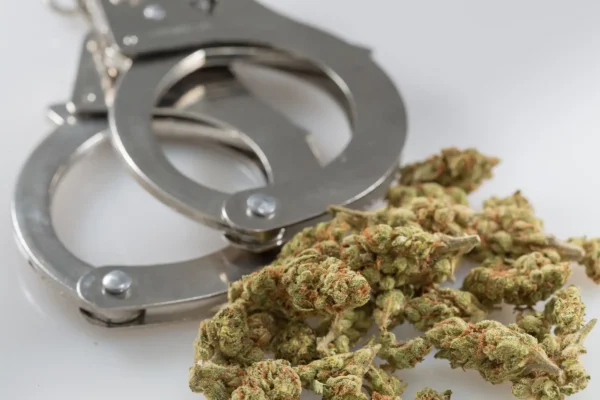
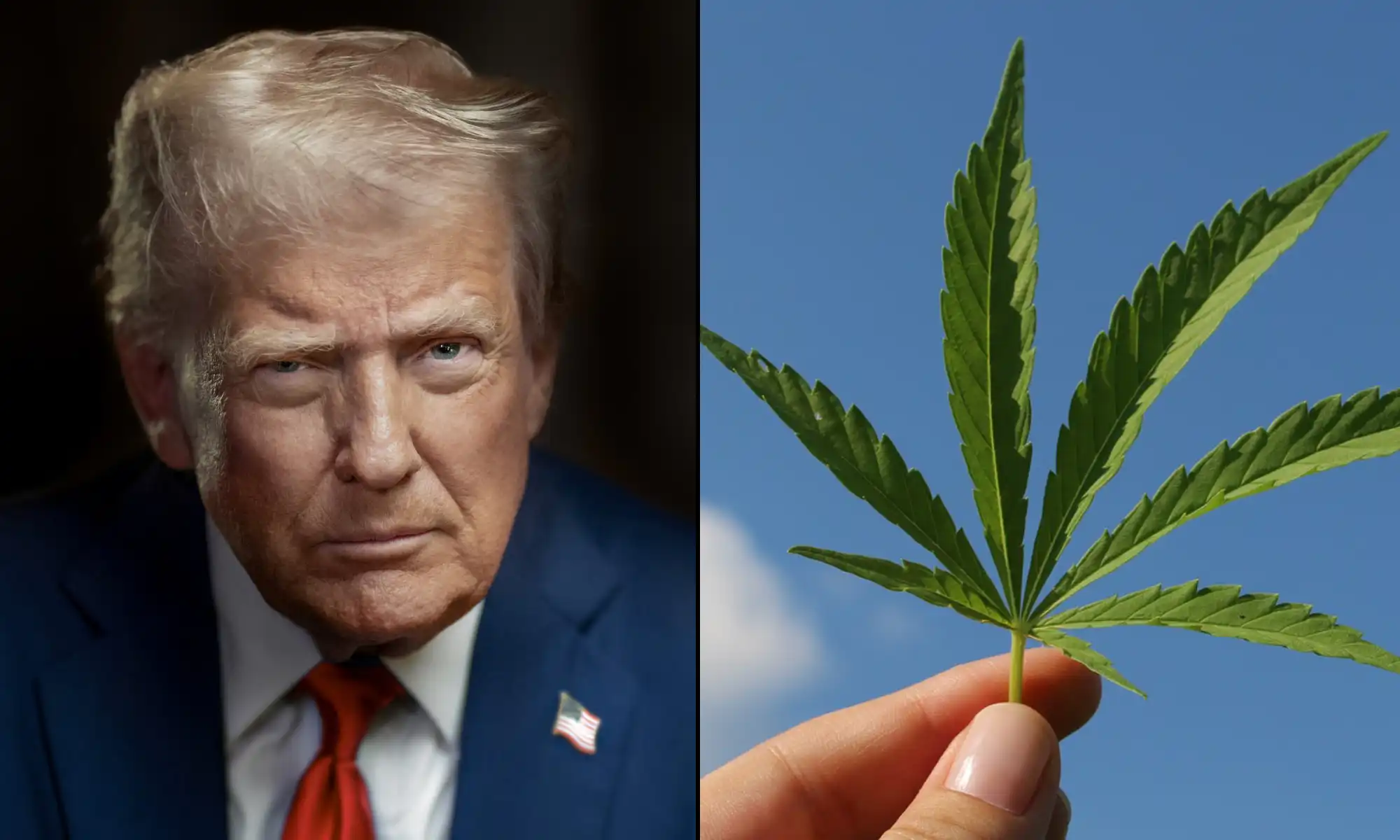
Marijuana rescheduling got left off the menu at Trump’s State of the Union, and that silence was loud. The president took a hard turn into drug enforcement, fentanyl at the border, and big talk on pharmaceutical prices—but the word “cannabis” never made eye contact with the teleprompter. That’s jarring, considering he signed an executive order in December telling Attorney General Pam Bondi to move marijuana from Schedule I to Schedule III. For a country where marijuana policy reform is no longer a fringe dinner-table debate, the omission felt like ordering the special and being told the kitchen “might” get around to it—eventually.
The gap between laws on paper and lives on the ground
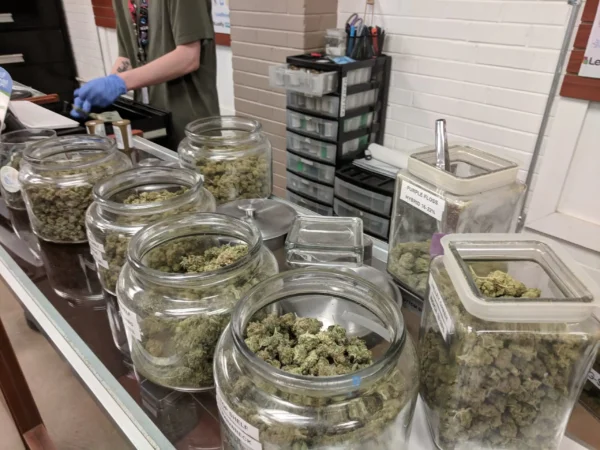
Industry voices called it a missed chance to acknowledge reality: most states have legalized in some form, but federal policy still treats compliant operators like they’re laundering moonshine in the hills. Adam Rosenberg of the National Cannabis Industry Association framed it bluntly—federal inaction keeps legitimate businesses stuck with punitive tax rules and sketchy banking access while illicit sellers sprint through the loopholes. That’s not just rhetoric. Schedule III could finally knock the teeth out of 280E’s suffocating bite, shifting margins from “barely breathing” to “investable.” And in the states, the machinery keeps grinding forward—bills tweaked, committees bickered through, compromises hammered out in fluorescent-lit hearing rooms. Just look at Virginia lawmakers retooling a marijuana sales bill, angling for a framework that invites consumers out of the shadows and builds legal cannabis revenue with something sturdier than political hope.
Inside the sausage factory: DOJ limbo and congressional crosswinds
Here’s the rub: the Justice Department has been tight-lipped since the order, offering little more than a careful line that it’s working out the “most expeditious” path to execute. Translation: even the people holding the map are double-checking the legend. Rumors swirl—claims that the DEA is drafting a rule “ASAP,” countered by the fact an existing rule is already awaiting action. Meanwhile, Capitol Hill hums with its usual dissonance. Prohibition stalwarts hint the process should stretch into geological time. Others, like Congressional Cannabis Caucus co-chair Rep. Dave Joyce, sound ready to move the minute a credible door opens. And in the background of all this, the constitutional tangle keeps tightening: gun rights and cannabis use, criminal law and civil liberties, all clashing in federal court. The stakes feel even clearer when you read about an ACLU attorney’s confidence that the Supreme Court will strike down the gun ban for cannabis users—a reminder that legal weed and old rules don’t share the same oxygen.
The split-screen: research, veterans—and a wary eye on hemp and CBD
To its credit, the White House has tried to frame rescheduling as a pathway to research and patient care, especially for veterans. That’s not a bad North Star. But the administration’s wider drug policy screen is crowded. The Centers for Medicare & Medicaid Services is preparing a CBD coverage pilot while agency leadership is publicly fretting about high-dose hemp and cannabidiol products. Mehmet Oz, who heads CMS, has warned of “consequences” as more people choose marijuana over alcohol, and the cautionary tone hasn’t gone unnoticed in a market that hates mixed signals. On hemp, the fault lines are just as raw—there’s talk of a congressional pause on crackdowns, like a key committee’s move to delay a federal hemp THC ban. And away from the Beltway, we’re reminded what any of this is about: people. Dignity. Choice at the end of life. When the Oregon House advanced access for hospice patients, it wasn’t a culture war. It was compassion with a case number.
What rescheduling fixes—and what it doesn’t
Let’s not romanticize bureaucracy. Schedule III won’t conjure interstate commerce or solve banking overnight. SAFE-style reforms will still matter. So will FDA guidance, scientific standards, and a real plan for consumer safety. But the cannabis industry impact of rescheduling would be immediate where it counts: tax relief, lower capital costs, cleaner audits, fewer insurers flinching, and an easier time recruiting talent that doesn’t want to explain to Mom why payroll sometimes shows up as a cashier’s check. The State of the Union could have nodded to that future and set a clock on DOJ rulemaking. Instead, we got theater without the kitchen pass. Still, momentum has a way of outliving speeches. Investors don’t wait forever. Neither do patients or small operators who’ve built lives on the promise that lawful work won’t be treated like contraband. If you’re ready to navigate this shifting landscape with products aligned to today’s rules and tomorrow’s reforms, explore our selection here: https://thcaorder.com/shop/.