
This Black History Month, Simply Rescheduling Marijuana Isn’t Enough While Cannabis Prisoners Remain Behind Bars
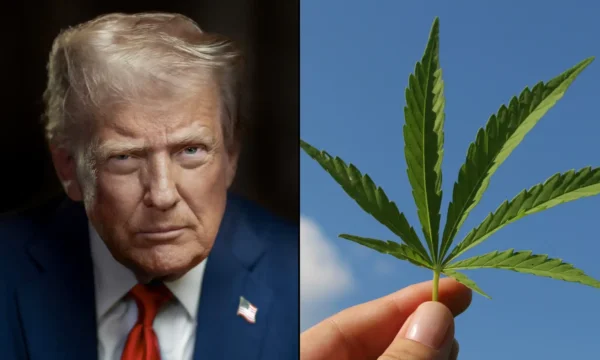
Marijuana rescheduling isn’t enough—justice is overdue, and the tab is still open. Black History Month demands more than polite nods and ribbon-cuttings; it calls for a hard look at the long, cracked sidewalk we’ve walked to get here. The war on drugs didn’t just bruise Black communities—it built economies on their backs, then left them to sweep up the glass. So yes, a move by President Donald Trump to push marijuana rescheduling was a late admission that cannabis never belonged in the same dank basement as the most dangerous drugs. But let’s not confuse a key turned in a policy lock with the slam of a cell door swinging open. As one advocate put it in essence, rescheduling alone doesn’t open a single cell or wipe a single record
. This is where cannabis policy reform meets reality: either it claws back past harms, or it’s just a new coat of paint on the same old house.
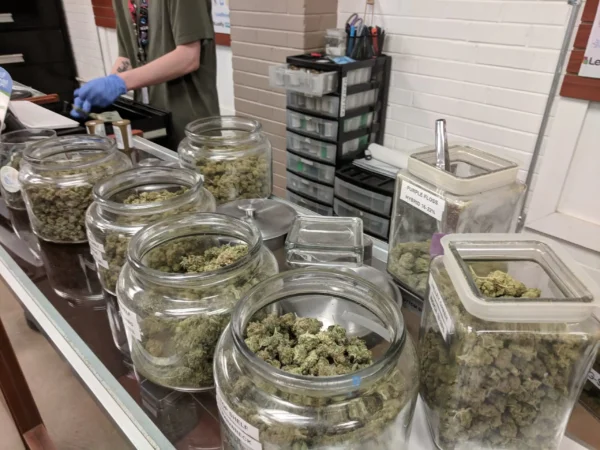
Walk past the neon of any legal dispensary and you can feel the country congratulating itself—tax receipts counted, ribbon cut, market humming. Meanwhile, the math stays ugly. Black Americans have been more than three times as likely to be arrested for marijuana possession as white Americans, despite similar usage. Those arrests metastasize into convictions, and the convictions into a quiet architecture of exclusion—no keys for the apartment, no interview callbacks, no student loans, no ballot cast. Legalization created a new class of cannabis professionals, and I don’t begrudge anyone earning an honest living. But it also left a ledger of human beings still paying for yesterday’s laws while today’s market prospers. Even as states fine-tune retail frameworks—look at the grinding pragmatism of Virginia House Lawmakers Amend Senate-Passed Marijuana Sales Bill, Setting Stage For Bicameral Negotiations—countless people remain locked out, sometimes literally.
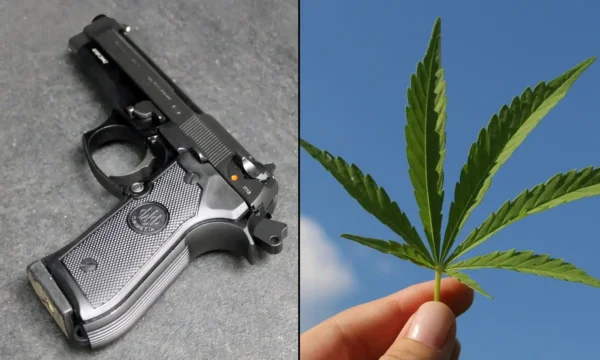
This is the contradiction Stephanie Shepard, executive director of the Last Prisoner Project, knows in her bones: nearly a decade in federal prison for a first-time, nonviolent cannabis offense, then a homecoming to a world where storefronts glitter and investors toast “the end of prohibition.” She’s right to say the job isn’t done until past sentences are reviewed, criminal records are automatically cleared, and reentry is funded like we mean it. Justice is not a press release; it’s a paper trail signed by judges and governors and prosecutors who admit the ground has shifted. The policy puzzle reaches beyond prison gates, too. Consider civil rights tangled up in cannabis policy, like firearm restrictions imposed on marijuana users—an issue now colliding with constitutional scrutiny as detailed in ACLU Attorney ‘Confident’ Supreme Court Will Strike Down Gun Ban For Marijuana Users After Oral Arguments Next Week. When the rules change, they should change for the people whose lives those rules once squeezed like a vise.
Rescheduling might set the table for federal reform, but it doesn’t serve the main course. Political theater loves a milestone; substantive justice demands receipts. Even on the biggest stage, there are missed beats—like the analysis in Trump ‘Missed An Opportunity’ To Promote Marijuana Rescheduling During State Of The Union, Industry Leader Says—because talking points are lighter to carry than commutations and expungements. Meanwhile, the regulatory ground won’t stop shifting. Hemp, cousin and scapegoat, keeps getting dragged into the scrum, with Congress flirting with new limits even as a Key Congressional Committee Could Vote On Delaying Federal Hemp THC Ban Next Week. All this churn—marijuana policy reform here, industrial hemp drama there—means one thing: if we don’t center people first, we’ll keep building a shiny new industry on a cracked foundation of unfinished justice.
So let’s stop mistaking incrementalism for absolution. Real cannabis justice means automatic expungement for possession and low-level distribution, a clear path to resentencing and release for those doing time that no modern court would impose, and funded reentry that treats returning citizens like neighbors, not liabilities. It means the legal cannabis industry showing up with jobs, training, capital, and contracts for the communities that watched prohibition cut their family trees at the root. It means governors and presidents using clemency power like a fire extinguisher, not a souvenir. And it means steady, unglamorous work from organizations such as the Last Prisoner Project—lawyers in the trenches, social workers at the door, advocates in the hearing rooms—until the last person punished for yesterday’s cannabis laws is home, records cleared, dignity intact. If you believe a fair market demands real mercy, keep reading, keep pushing, and when you’re ready to explore what’s next, visit our shop.