Texas Voters Disapprove Of How State Officials Are Handling Marijuana And THC Laws, Poll Shows
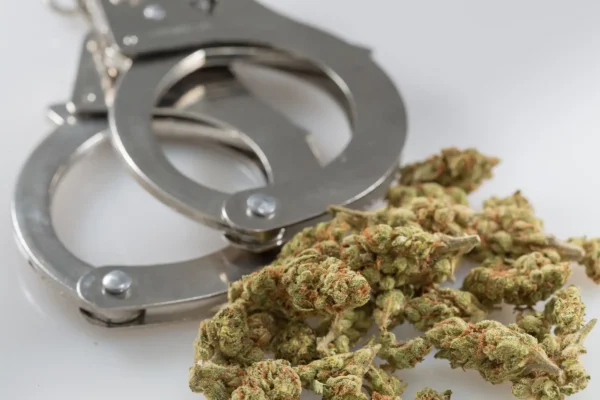
Texas marijuana policy poll says the mood is sour—and it’s not the salsa. On a winter morning that smelled like diesel and diner coffee, Texas voters told the Texas Politics Project what anyone standing outside a smoky honky-tonk could’ve guessed: they’re unimpressed with how the state handles cannabis and THC laws. A 40 percent plurality disapprove, only 29 percent approve, and the rest hover in that wide Texan middle, shrugging through 31 percent of neutral. Call it a referendum on a tug-of-war that’s left joints half-rolled, hemp rules half-written, and a medical program barely breathing through a thin straw. This is the Texas cannabis market we’ve got—tight-fisted statutes, a drip-feed Compassionate Use Program, and a chorus of counties quietly decriminalizing possession while the Capitol keeps its hat pulled low. It’s a gritty snapshot of marijuana policy reform in slow motion, and a reminder that public patience is starting to burn at the edges.
The numbers, no chaser
Strip away the spin and you get a clean pour: Democrats lead the disapproval column at 60 percent, with just 16 percent offering applause and 24 percent calling it a wash. Republicans tip the other way—42 percent approve of the current handling, 24 percent don’t, and 33 percent float in the middle. Independents are the wild card, and they’re cranky: 42 percent disapprove, 14 percent approve, 43 percent neither. The survey talked to 1,300 registered voters in mid-February, margin of error roughly plus-or-minus three points—rough enough to make a barstool argument interesting, not enough to change the song. And while the primary barrels forward, Democrats will see a non-binding question on their ballot: should Texas legalize cannabis for adults and automatically clear low-level cannabis records? It won’t change the law by itself. But if the tally comes back loud and lopsided, it’ll be hard for lawmakers to pretend the jukebox isn’t playing their tune.
- Overall: 40% disapprove, 29% approve, 31% neither
- Democrats: 60% disapprove, 16% approve, 24% neither
- Republicans: 42% approve, 24% disapprove, 33% neither
- Independents: 42% disapprove, 14% approve, 43% neither
Policy gridlock meets a market too stubborn to die
The legislature keeps stalling on adult-use legalization while keeping strict penalties for possession and sales outside the narrow medical lane. Meanwhile, the hemp boom—those THC-laced consumables riding the Farm Bill’s gray surf—keeps crashing into the statehouse sea wall. Last year, a bill that might’ve napalmed the hemp cannabinoid market reached the governor’s desk and got the veto pen, sparing an industry too sprawling to stuff back into a mason jar. Regulators are now trying to stitch order from the chaos: the Department of Public Safety conditionally approved nine new medical cannabis business licenses in December, with three more on deck by April 2026—an avalanche compared to the mere three dispensaries Texas has lived with. New rules contemplate satellite sites and tighter security. Health officials also cleared the way for doctors to recommend new qualifying conditions and set standards for low-THC inhalation devices. Look past the barbecue smoke and you can see it: slow, uneven movement. Other states already did the math—Pennsylvania, for one, tallied potential receipts and found real money in legalization, as laid out in Legalizing Marijuana In Pennsylvania Would Generate Almost Half A Billion Dollars In Revenue By 2028 Under Governor’s Plan, State Analysis Finds. Texas isn’t Pennsylvania, but revenue talks in any dialect.
Regulate or ban? The Midwest sends a postcard
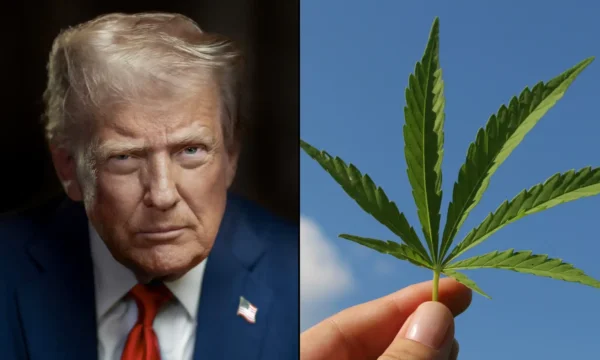
Texas isn’t debating this in a vacuum. The hemp THC skirmish is a national parlor game where everyone cheats and the rules change every hand. Indiana tried to slam the door, then watched the clock run out—see Indiana Bill To Ban Hemp THC Products Dies As Key Deadline Passes—and, in the same breath, the storyline echoed again in Indiana Bill To Ben Hemp THC Products Dies As Key Deadline Passes. The lesson for Texas lawmakers eyeing hemp THC bans is simple: prohibition invites whack-a-mole, commerce migrates to the cracks, and consumers become collateral. That’s why a bipartisan bloc in Austin is sidling toward a regulatory framework—age gates, testing standards, labeling that doesn’t lie—rather than a sledgehammer. Zoom out even further and national drug policy is mid-molt: even at the federal level, the conversation is less “Just Say No” and more “What do the data say?”—a vibe shift captured in Trump’s Surgeon General Pick Says She Doesn’t Recommend People Use Psychedelics Like She Has—But Will Follow ‘Exciting’ Research. Texas, famously allergic to being told what to do, will still chart its own course—but the tide is rising everywhere.
What Texans can expect next
Expect the incrementalism to keep grinding forward. More medical licenses will widen access, especially if doctors embrace broader qualifying conditions. Hemp will face new fences—age limits, potency caps, testing—because regulators like rules almost as much as entrepreneurs like loopholes. Local decriminalization will continue to spread in that Texas way: pragmatically, unevenly, with a wink and a nod to the sheriff. If the Democratic primary proposition posts big “yes” margins, watch centrist Republicans and nervous suburban Democrats hunt for middle-ground bills: expungements for low-level offenses, a real decrim statute, hemp product guardrails that don’t nuke small businesses, and—quietly—tax talk. The cannabis industry impact won’t wait for perfect clarity; it never does. In Texas, it’s always a late-night conversation over a stiff drink: a little bravado, a lot of caution, and the understanding that tomorrow’s headlines could torch today’s compromises. When you’re ready to explore compliant, high-quality options without the drama, slide into our shop and take your time—no filibusters, just good choices.