Texas Officials Unveil Amended Hemp Rules With Strict ‘Total THC’ Limits But Lower Licensing Fee Than Previously Floated
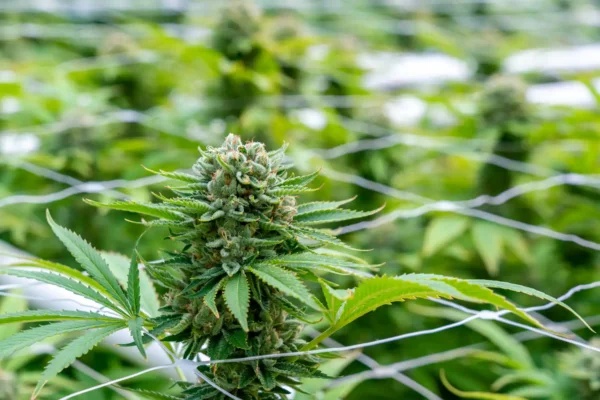
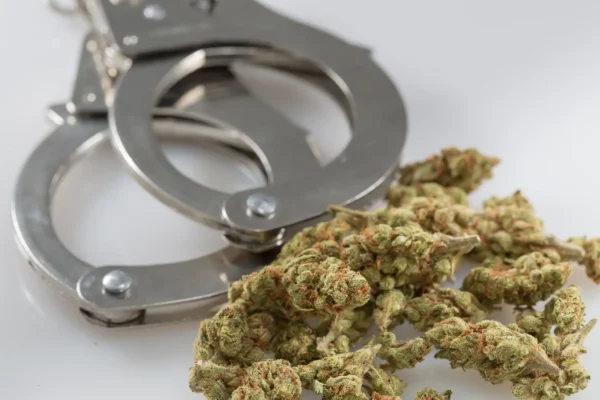
Texas hemp rules just changed the game: strict total THC limits, slashed fees, and a market trying to breathe through a paper bag. If you make, sell, or even daydream about legal hemp in the Lone Star State, this is your midnight rundown—equal parts policy and pothole. The Department of State Health Services (DSHS) finalized new Texas hemp rules that lower licensing costs but lock in a “total THC” standard that counts THCA, the cannabinoid precursor that naturally lives in most flower. That primary shift—total THC limits—could choke off compliant supply even as the agency tries to make entry more affordable. Think of it as a generous door charge to a club where half the drinks are suddenly off the menu.
What changed—on paper and in the bloodstream of the market
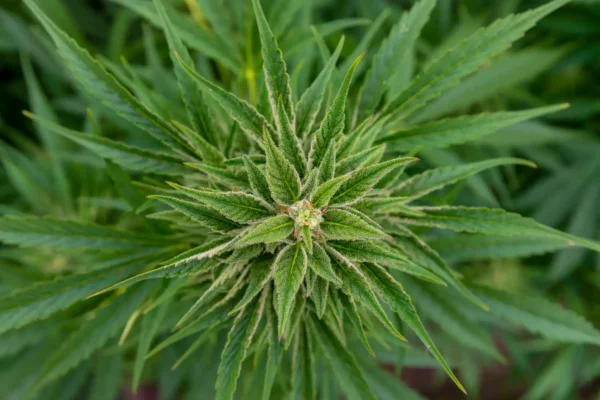
Advocates and operators flooded DSHS with more than 1,400 comments. The department blinked on fees but held the line on chemistry. Manufacturer licenses drop from $25,000 to $10,000. Retailer licenses fall from $20,000 to $5,000. In a vacuum, that’s oxygen. In a lab, it’s still a stress test, because “total THC” calculations scoop up THCA and lump it into the hard cap that most hemp flower can’t clear without becoming something else entirely. As one advocate put it, that’s a win stapled to a warning label. The fear is simple and ugly: squeeze the compliant channel too tight and you don’t get sobriety, you get shadows. Some estimate half the legal market’s business drifts to illicit operators if compliant flower disappears, and with it the guardrails that keep labeling, age checks, and testing in orbit.
- Manufacturer license: $10,000 per facility
- Retail license: $5,000 per location
- “Total THC” includes THCA in compliance testing
- Added obligations: expanded product testing, labeling, and record-keeping (state register summary)
Layer onto that a proposed move from the Texas Alcoholic Beverage Commission: no on-site hemp consumption where alcohol isn’t allowed—no sampling carve-outs, no sip-and-see. It’s the kind of policy detail that sounds fussy until you run a retail counter and realize “try before you buy” just got retired. Meanwhile, compliance teams are sharpening pencils for tighter testing, stricter labels, and deeper record-keeping. That’s fine for the well-capitalized. For the corner entrepreneur who just barely survived the last round of rulemaking, it’s a winter storm in April.
Texas cannabis policy is a contradiction wrapped in a 10-gallon hat. On one hand, voters are signaling they want change—local ballots and party primaries keep lighting up with pro-legalization sentiment, and a string of polls say folks are fed up with half-measures. On the other hand, regulators are tightening screws on technicalities like THCA, while the medical side slowly grows more sensible: more dispensary licenses, security plans for satellite sites, and rules that let physicians recommend additional qualifying conditions and low-THC inhalation devices. It’s an incrementalism you feel in your knees. Families notice, too—ask the advocates tracking parental rights over in Virginia, where a measure to insulate caregivers from cannabis stigma is at the governor’s doorstep: Virginia Bill To Protect Rights Of Parents Who Use Marijuana Heads To Governor’s Desk. The politics are jagged, the outcomes uneven, and the human stories rarely fit on a lab report.
Zoom out and the national map looks like a diner placemat after a long night—grease smears of progress, coffee rings of backlash. In Oklahoma, the governor is floating the idea of walking back pieces of the voter-approved medical program, a reminder that reform is only as durable as the next news cycle: Oklahoma Governor Claims Lawmakers Support His Push To Roll Back State’s Voter-Approved Medical Marijuana Law. In Florida, a would-be governor admits he used to sell pot while opposing legalization and sentencing reform—a confession that tastes like yesterday’s ashtray: GOP Congressman Running For Florida Governor Admits To Selling Marijuana Despite Opposing Legalization And Sentencing Reform. Back in Texas, consumers aren’t waiting for tidy answers—they’re self-sorting. Millions lean on cannabinoids for pain, sleep, and sanity in place of more punishing meds, a trend that keeps growing like a crack in the sidewalk: Millions Of Americans Use CBD As A Substitute For Painkillers And Other Medications, Federally Funded Study Shows. Policy tinkers at the margins; demand doesn’t.
So here’s how to live with the new Texas hemp rules without losing your shirt: invest in third-party labs that understand total THC math; build SKUs that clear compliance in the worst-case testing scenario; pressure-test labels and batch logs before inspectors do; and stop pretending corner-cutting is a strategy. If you’re a retailer, train staff to explain THCA limits and steer customers to products that won’t turn to contraband the minute they leave the counter. If you’re a policymaker reading this over brisket, remember: the tighter you twist the spigot, the more the market leaks into places you don’t control. For everyone else—the people who just want safe, legal, and predictable—there’s still room to navigate this maze. And if you’re ready to explore compliant THCA options without the drama, take a quiet turn through our shop: https://thcaorder.com/shop/.