Buy $96.10 more to get Free Shipping
Subtotal: $3.90


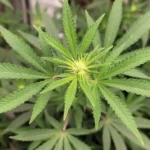
Teen marijuana use remained stable. Not exactly a headline that screams panic, and that’s the point. The latest Monitoring the Future survey out of the University of Michigan—a long-running, federally funded barometer of youth substance use—looked under the hood of the American high school experience and found a steady hum instead of alarm bells. Past-year cannabis use landed at 25.7 percent for 12th graders, 15.6 percent for 10th graders and 7.6 percent for 8th graders. Past-month use? 17.1, 9.4 and 4 percent, respectively. Flat, or down compared to the old days when everyone’s uncle swears “kids were different.” The 12th-grade rate sits at its lowest level since 1992. That’s before smartphones, before retail storefronts with ID scanners, before this entire era of legal cannabis. Federal health officials noticed, too; as NIDA’s director put it in a measured understatement, teens’ relatively low use is encouraging and worth tracking closely to keep interventions smart and targeted. If you want the raw notes from the band, they’re right there in the source material—NIDA’s press release and the public data tables from Monitoring the Future are quietly matter-of-fact, almost boring in the best way, a reality check against loud narratives about adolescent chaos.
Here’s the texture in the numbers, the grit on the cutting board. While 12th graders ticked up slightly in past-month use, they’re still miles below the late-’70s peak of 37.1 percent—back when legalization wasn’t even a glimmer and yet the weed flowed like bad disco basslines. Meanwhile, abstention stayed strong: 66 percent of seniors, 82 percent of sophomores and 91 percent of eighth graders said they stayed away from marijuana, alcohol and nicotine in the last month. That’s not nothing. It suggests a cohort making choices in spite of all the ambient noise. There’s a subplot, too: hemp-derived intoxicants like delta-8 THC are on teens’ radar—9 percent of seniors, 6 percent of sophomores, 2 percent of eighth graders sampled them in the past year—reminding regulators that the borderlands of cannabis policy matter. The survey pulled 23,726 students from 270 schools between February and June 2025, enough voices to feel like a town-hall meeting with fluorescent lights and a box of stale donuts. The tale they told wasn’t a cliffhanger. It was routine, regulated, and refreshingly uneventful.
That uneventfulness is the quiet power of a legal framework. Licensed shops check IDs. Security cameras glare. Compliance officers live in spreadsheets. That’s boring by design—and it’s how you starve the illicit market that never cared how old you were. The Monitoring the Future results reinforce the premise that regulation beats prohibition when the goal is to reduce youth access. Adults, meanwhile, are the ones driving any overall uptick in cannabis consumption nationally—a generational shift reflected in policy debates and workplace rules. The government can reshuffle cannabis schedules or issue sweeping directives, but what happens at the job site still matters. For a reality check on the friction between changing laws and day-to-day rules, see how transportation regulators clarified that Trump’s Marijuana Order Doesn’t Change Drug Testing For Safety-Sensitive Workers, At Least For Now, Transportation Department Says. Policy rises like bread; workplaces slice it however they must, and teens aren’t the ones setting the menu.
Culturally, cannabis is no longer the contraband punchline hidden behind the garage. It’s a guest at the dinner table, often invited. Surveys keep finding what you already sense at Thanksgiving: adults are integrating weed into their lives, sometimes before a tense conversation about politics or the turkey’s dryness. File that under social lubrication, or harm reduction, or just “life is complicated,” but it’s undeniably adult-driven. Case in point: One In Three Americans ‘Pre-Game’ With Marijuana Before Family Holiday Gatherings, Survey Finds. If anything, the normalization of adult use is moving in lockstep with legalization, while teen rates hold or decline. It’s the same story drifting in from abroad and across states: when you regulate, kids don’t surge into the breach. And the broader drug policy map is shifting, too—psychedelic therapy is tiptoeing into statehouses, including a measure in the Garden State that just keeps clearing hurdles: New Jersey Bill To Legalize Psilocybin Therapy Clears Another Assembly Committee. This isn’t a wave anymore; it’s a tide chart.
All of which begs the federal question. The center of gravity is drifting toward a pragmatic endgame where Washington finally stops pretending the states aren’t running this experiment in plain sight. Preparation matters. If the political winds keep shifting, the next attorney general may not just enforce laws but also manage a transition. That’s why a proposal like Trump’s Attorney General Would Form A Marijuana Commission To Prepare For Federal Legalization Under New Senate Bill reads less like a stunt and more like logistics. Meanwhile, parents and policymakers should sit with the boring truth: teen marijuana use remained stable even as legalization expands. The work now is targeted—education where it counts, guardrails that hold, and a relentless focus on keeping access adult-only while adults, frankly, sort themselves out. If you prefer your cannabis conversation grown-up, nuanced, and responsibly sourced, you know where to find it—take a look at our curated selection here: https://thcaorder.com/shop/.
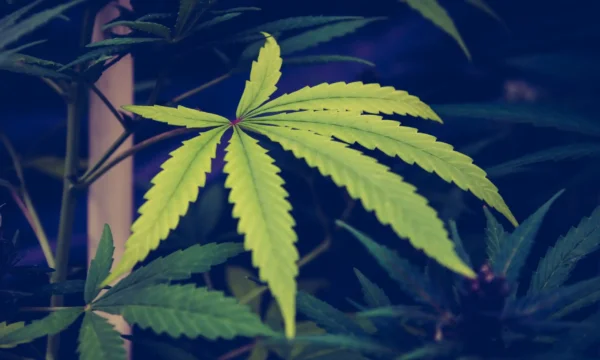
Marijuana munchies, demystified: a clinical look at hunger, reward, and why beef jerky suddenly tastes like destiny Here’s the thing about the marijuana munchies: they’re not a sitcom gag or a dorm-room myth. They’re biology, not bravado. In a new human trial published in the Proceedings of the National Academy of Sciences, researchers from Washington […]
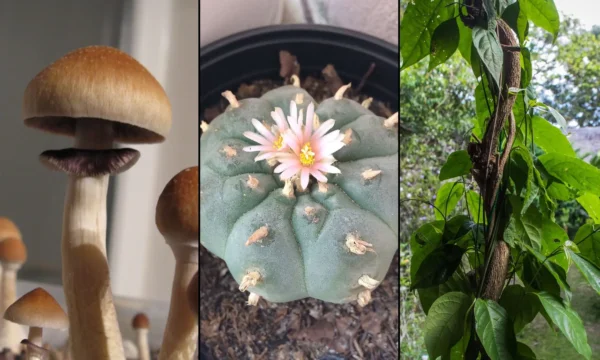
AI chatbots mimic psychedelic experiences, and the trip is closer than you think File this under unsettlingly human: AI psychedelic experiences are now convincing enough to pass for the real thing. Researchers from the University of Haifa and Bar-Ilan University essentially dosed large language models with text prompts and watched them spin first-person tales of […]
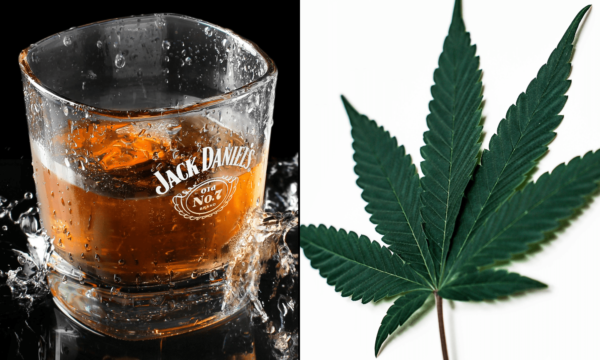
THC drinks, last call, and a different kind of morning-after Cannabis-infused beverages as a harm reduction alternative to alcohol are finally getting their receipts. Picture the end of a long night: sticky bar top, neon buzzing like a hornet nest, the choice between another vodka rocks or a chilled can stamped with 5–10 mg THC. […]
Dating Has a New Green Light Marijuana dating red flag? America mostly swipes right on the green. In a new cannabis dating survey by Drug Rehab USA, 1,000 people with recent dating experience ran their fingers over the pulse of modern romance and found it beating to a different rhythm. Only one in four called […]
Microdosing psychedelics went mainstream in America in 2025. Not with glow sticks and dance floors, but with calendar reminders, coffee mugs, and people quietly chasing a steadier mood during the Wednesday slump. A new RAND study says nearly 10 million U.S. adults—about 3.7 percent—microdosed psychedelics last year, favoring tiny, sub-perceptual amounts over technicolor odysseys. The […]
Marijuana federal classification is out of step with reality, and the science is finally shouting it from the rooftops. A new Harm Reduction Journal review reads like a long-overdue audit of the Controlled Substances Act—half a century of rigid categories, moral panics baked into code, and a bureaucracy that still insists cannabis belongs in the […]
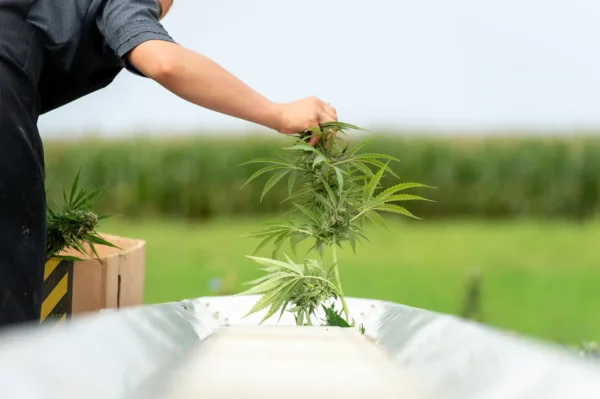
USDA hemp roots study points to pediatric cancer treatment—and a fresh revenue stream hiding under our boots. Picture the roots: knuckled, dirt-caked, ignored. The parts of industrial hemp we stepped over on the way to the flowers, the fiber, the grain. Now, Agricultural Research Service scientists say those roots are carrying a new class of […]
Hip hop music videos marijuana: that’s the headline, the neon sign buzzing above the late-night deli where culture trades stories with commerce. A new government-supported analysis of 2024’s YouTube top 100 tells it straight—37 percent of U.S. hip hop and rap videos referenced cannabis, and another 4 percent name-checked both marijuana and nicotine. Do the […]

CBD anti-tumor effects isn’t a phrase you expect to trust after midnight, when the ashtray’s full and the promises are too. But a new systematic review—funded by the National Natural Science Foundation of China and published in the December 2025 issue of Phytomedicine—leans into the uncomfortable possibility that cannabidiol, the famously non-intoxicating cousin in the […]
Marijuana-impaired driving laws are cuffing sober people for science that doesn’t add up. That’s the hard truth spilling out of a new, government-funded study that says “per se” THC limits—those tidy little numbers in statute books meant to mimic alcohol thresholds—are sweeping up drivers who show no signs of impairment. Researchers found what many in […]