
State Marijuana Legalization Laws Shield Foreign Cartels And Threaten Public Safety, GOP Senator And Former DEA Official Claim
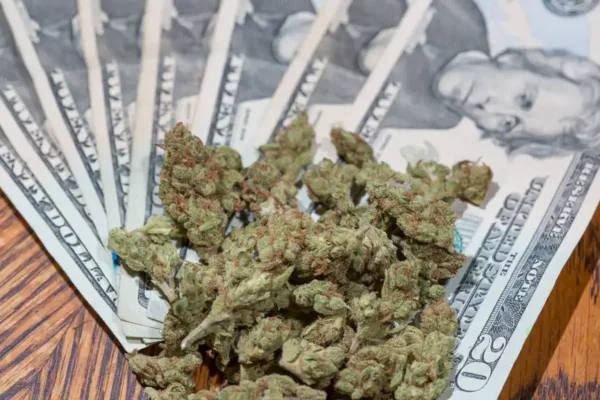
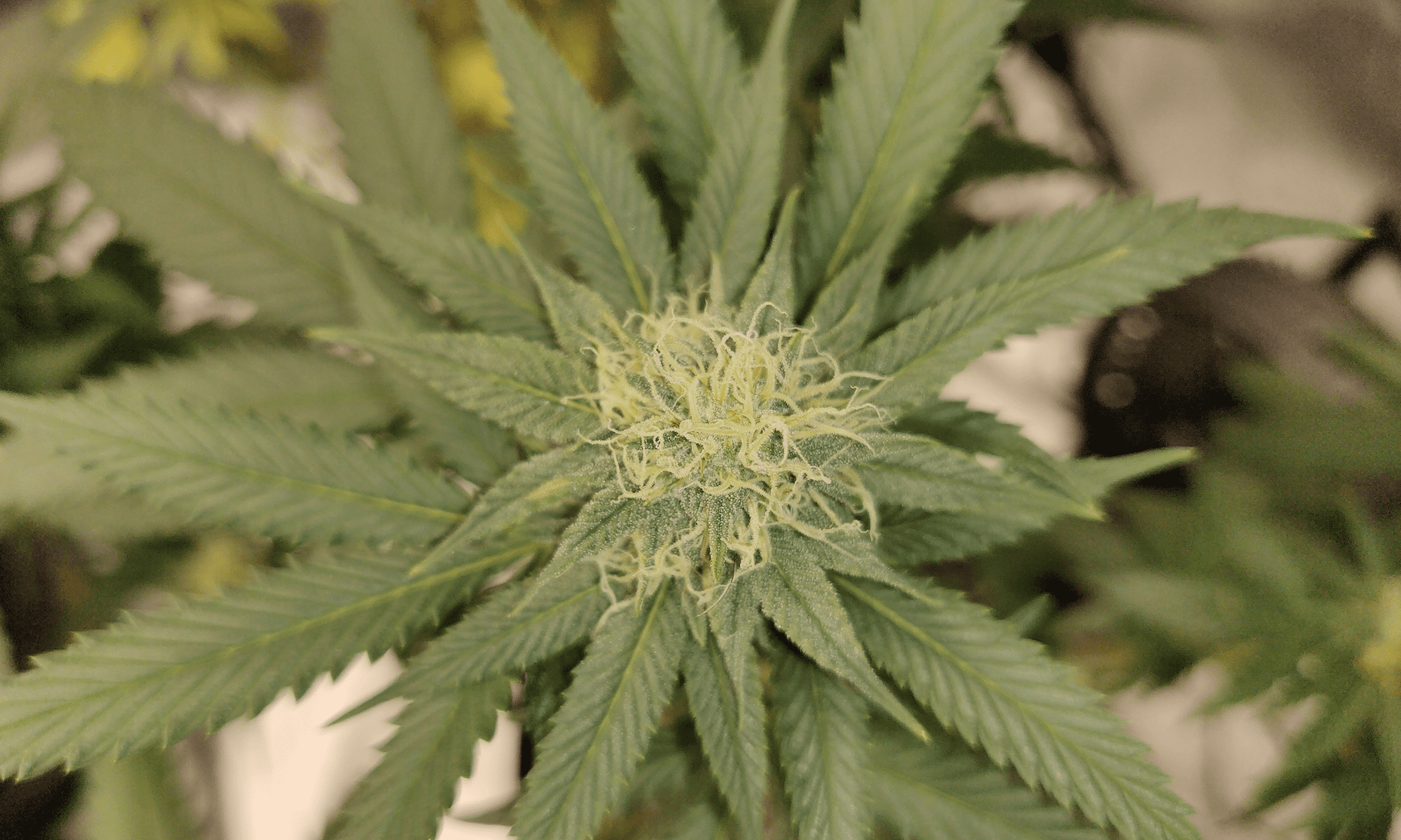
State marijuana legalization laws, foreign cartels, and public safety: a Senate spotlight on a murky crossroads. In a hearing with the charmingly blunt title “Dirty Money: Chinese Organized Crime in Latin America,” Sen. John Cornyn framed the state-and-federal marijuana policy conflict like a busted neon sign—flickering, confusing, and dangerous. His charge was simple and sharp: Chinese and Mexican criminal groups are exploiting legal cannabis regimes in places like Maine and Oklahoma to mask illicit marijuana grows and move other contraband. It’s the uneasy marriage of state experimentation and federal inaction, and the honeymoon ended a while ago.
A Senate hearing tests the fault lines
Ray Donovan, a former DEA operations chief, didn’t mince words. He described a black market that’s “through the roof,” with billions in illicit marijuana commerce blending into the gray fog of state-legal markets. The same networks, he warned, don’t stick to one menu item. They launder profits and shuttle fentanyl and meth cash with equal gusto—commodity-agnostic entrepreneurs of the worst kind. Marijuana remains a Schedule I drug under the Controlled Substances Act, yet federal enforcement has largely stepped to the side while states build mismatched legal frameworks. In Donovan’s telling, that vacuum invites “one-stop shopping” criminality. As he put it in stark terms,
make this a strategic priority
for the Justice Department—because the problem is bigger than weed.
Policy whiplash—and what Washington is probing
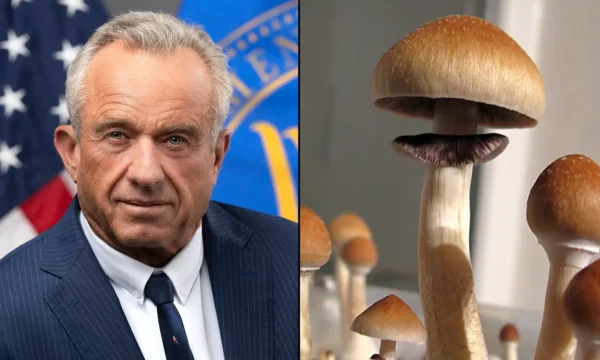
Congress has started sniffing around. Lawmakers have pressed federal agencies to investigate illicit marijuana grows and potential links to transnational crime tied to the People’s Republic of China, while senior senators point to suspicious activity spikes in license data and raise alarms about grow houses in New England. That’s the macro picture: a jumble of state systems, federal supremacy on paper, and uneven enforcement in practice. Meanwhile, the broader cannabis policy arena keeps shifting underfoot. Some proposals reach for guardrails instead of crackdowns, like the push to ensure Hemp Products Would Be Federally Regulated Instead Of Banned Under New Senate Bill. Others aim squarely at public health tradeoffs—consider the Florida bill expanding eligibility for patients prescribed opioids: Florida GOP Lawmaker Files Medical Marijuana Expansion Bill Allowing Patients To Qualify If They’ve Been Prescribed Opioids. Even the tech frontier is sprinting ahead, with researchers showing that Marijuana Breeders Can Use AI To Design New Strains, Study Demonstrates. Culture, too, refuses to sit quietly in the corner—tabloid-tinged revelations about psychedelics in political circles keep splashing into public debate, as in RFK Hid Psychedelic Trips From His Wife, Journalist Who Allegedly Had Affair With Him Says In New Book. Policy isn’t happening in a vacuum; it’s unfolding amid real health crises, market innovation, and high-voltage politics.
- Congressional directives have urged agencies to map illicit marijuana grows and scrutinize possible links to PRC-aligned actors.
- Lawmakers have cited spikes in suspicious license activity in some states and raised alarms about industrial-scale grow houses.
- Parallel reform debates—medical access, hemp regulation, and research—continue to reshape the legal cannabis landscape.
The street-level reality
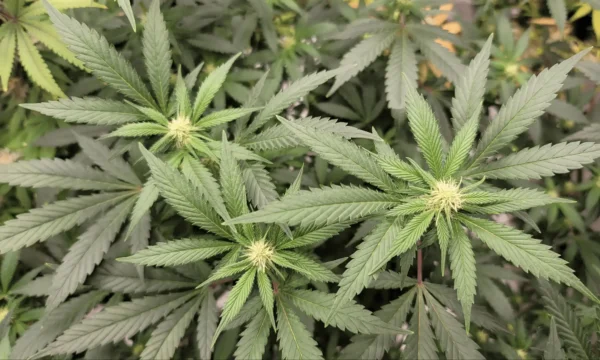
On the ground, the story isn’t elegant. It looks like quiet rural roads pulsing with new electrical loads at odd hours, farm towns worried about energy theft, and neighbors noticing cash-only operations with barred windows and a steady stream of vans. Maine and Oklahoma have become shorthand for how quickly illicit marijuana grows can root in permissive soil, especially when oversight agencies are understaffed and rules change faster than investigators can keep up. Add in the fractured legal status—legal here, illegal there—and you get a shadow market that doesn’t mind wearing a state license as camouflage. The former DEA official’s “commodity agnostic” point lands hard: the same logistics that move cannabis can move other drugs, guns, or migrants. If you want to see the official version of this unease, the Senate Narcotics Control Caucus posted the hearing materials for public view; the trailhead is here for the full hearing.
What smarter enforcement looks like
Blunt-force prohibition won’t fix a decade of state marketplaces any more than a sledgehammer repairs a watch. The smarter path is alignment: a federal-state détente that closes loopholes without crushing compliant operators. Start with targeted enforcement against transnational networks and the enablers who launder their money. Build real-time license verification and uniform seed-to-sale standards, so “state-legal” stops being a fig leaf. Give DOJ the mandate and resources to focus on verified criminal pipelines, not mom-and-pop dispensaries trying to file taxes in triplicate. And, crucially, bring clarity to the gray zones—banking, interstate transport, hemp-derived products, research—so law-abiding players have bright lines, not blurry ones. Do that, and the black market loses its best disguise. If you’ve read this far and prefer to spend your energy on compliant, lab-tested flower rather than policy headaches, take a calm detour through our shop here: https://thcaorder.com/shop/.