Second Amendment Groups Urge Supreme Court To Strike Down Gun Ban For Marijuana Consumers As Unconstitutional
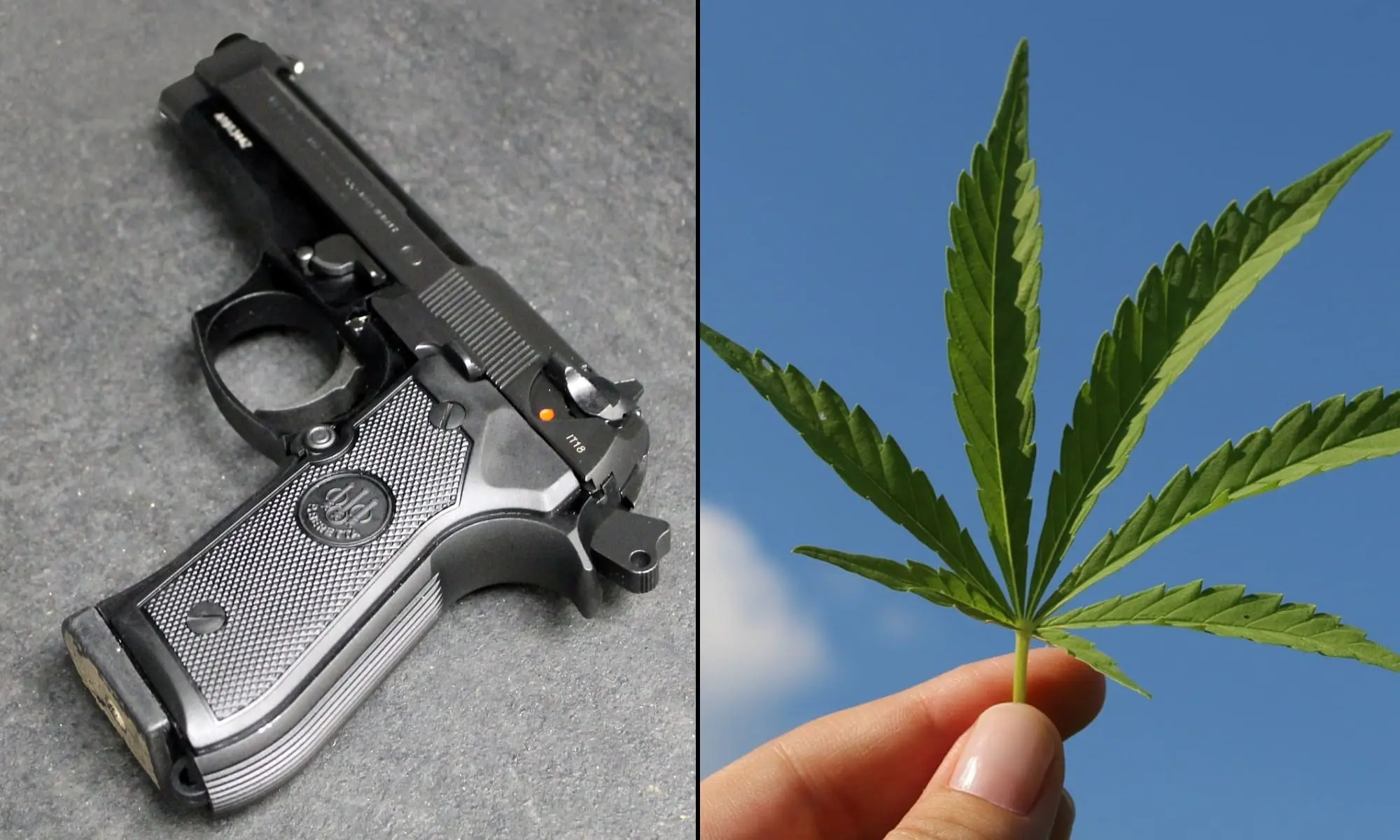
Federal gun ban for marijuana users heads to the Supreme Court, and the stakes are as American as bourbon and barbecue. A coalition of gun-rights outfits—think muscle and dust from the range, not polished K Street—has stepped into the fray, urging the justices to keep a lower-court ruling that says 18 U.S.C. § 922(g)(3) can’t strip a sober adult of a constitutional right just because they occasionally use cannabis. Their lodestar isn’t culture war bluster; it’s history. In the founding era, laws targeted people who were actively drunk and armed in public, not those who took a drink on Sunday and kept a rifle over the hearth on Monday. Replace whiskey with marijuana in 2026 and they argue the principle is the same: punish dangerous conduct, not status. It’s a bracing argument, cut with the kind of pragmatic logic you hear after last call, when the noise dies down and people say what they actually think about rights, responsibility, and the government’s habit of swinging a sledgehammer where a screwdriver would do.
History over hysteria
The constitutional fight turns on the modern test that demands firearm restrictions track historical tradition. For cannabis and the Second Amendment, that tradition is about intoxication, not identity. The amici’s brief frames marijuana like alcohol—widely used, socially accepted, legal in much of the country—and insists the Constitution cares about whether you’re impaired with a gun in your hand, not whether you took a hit last weekend. That analogy has gained fresh fuel from shifting federal posture. There’s the strange limbo of rescheduling, where a president’s directive to move cannabis off Schedule I hangs in the air while federal agencies shuffle papers and keep a poker face; see the federal quiet described in DOJ Has No ‘Comment Or Updates’ on Marijuana Rescheduling—More Than A Month After Trump’s Executive Order. There’s also ATF’s recent effort to narrow who counts as an “unlawful user,” an administrative nod that the one-size-fits-all approach has never fit well. The solicitor general counters that illegal drug users are uniquely risky compared to drinkers. But risk, the challengers say, should be proved—not presumed—before you take a right away.
One case, many fault lines
On paper, the Supreme Court picked U.S. v. Hemani to decide this mess, though even some gun-rights amici grumble it’s a clumsy vehicle for such a big question. Still, the larger conflict is undeniable. Federal appellate courts have split like a busted seam: some demand individualized findings of dangerousness, others have tossed convictions where the government never showed impairment, and a few still prop up the old categorical ban. If the Court blesses § 922(g)(3) as written, prosecutors will have an easy road in similar cases nationwide. If the justices reject it, the rule of the day could become conduct-based—think proof of intoxication around firearms—rather than status-based. That would align with the founding-era logic and with the emerging posture from several circuits, which have already started insisting the government connect the dots between cannabis use, a gun, and real-world danger. For now, millions of cannabis consumers sit in a legal purgatory where one toke can turn a routine traffic stop into a constitutional minefield.
Policy whiplash at the state line
All of this unfolds while states keep cooking up their own recipes for what cannabis should be. Some expand access, others slam the brakes, and plenty do both before lunchtime. In the Southeast, for instance, lawmakers have been tightening and tinkering with hemp and intoxicating cannabinoids—even as proposals surface to bring THC beverages into the legal fold, as tracked in South Carolina Lawmakers Advance Hemp Restriction Bills, Including One To Allow THC Drinks. Over in the Mid-Atlantic, reformers are busy clearing the underbrush that keeps licensed businesses boxed out by city hall red tape—see the clash over local power in Delaware Senate Votes To Override Governor’s Veto Of Marijuana Bill That Would Limit Restrictive Local Business Zoning Rules. Meanwhile, federal agents warn medical patients in certain states that registering for a card can mean saying goodbye to a gun purchase. Cross a river or county line and the rules that govern your body and your rights change flavors. It’s “marijuana policy reform” by patchwork—and that patchwork is exactly what makes a blanket federal gun ban feel so blunt.
The culture we choose
Here’s the uncomfortable truth lurking under the legal briefs: cannabis, like alcohol, is as much about culture as chemistry. The law inevitably picks winners—who gets licensed, who gets squeezed, who’s branded dangerous in the abstract. We’ve seen it in the market too, where the romance of small-batch terroir collided with policy scaffolding that tilted the field toward deep pockets and vertical empires, a theme unpacked in The Promise Of ‘Craft Cannabis’ Has Not Been Realized—Due To Policy Decisions Favoring Big Companies (Op-Ed). The Supreme Court doesn’t have to love weed, or guns, to see the common-sense line that ran through the founding tavern: intoxication and firearms don’t mix; sobriety and rights do. The cannabis industry impact of a ruling that recognizes that line would ripple from courtrooms to compliance desks, and maybe, finally, nudge federal policy closer to the world people actually live in. If you’re navigating this evolving landscape and want a clean, compliant way to explore the plant’s possibilities, take a look at our curated selections here: https://thcaorder.com/shop/.