



Researchers Published More Than 4,000 Studies On Marijuana This Year As Trump Continues To Weigh Rescheduling
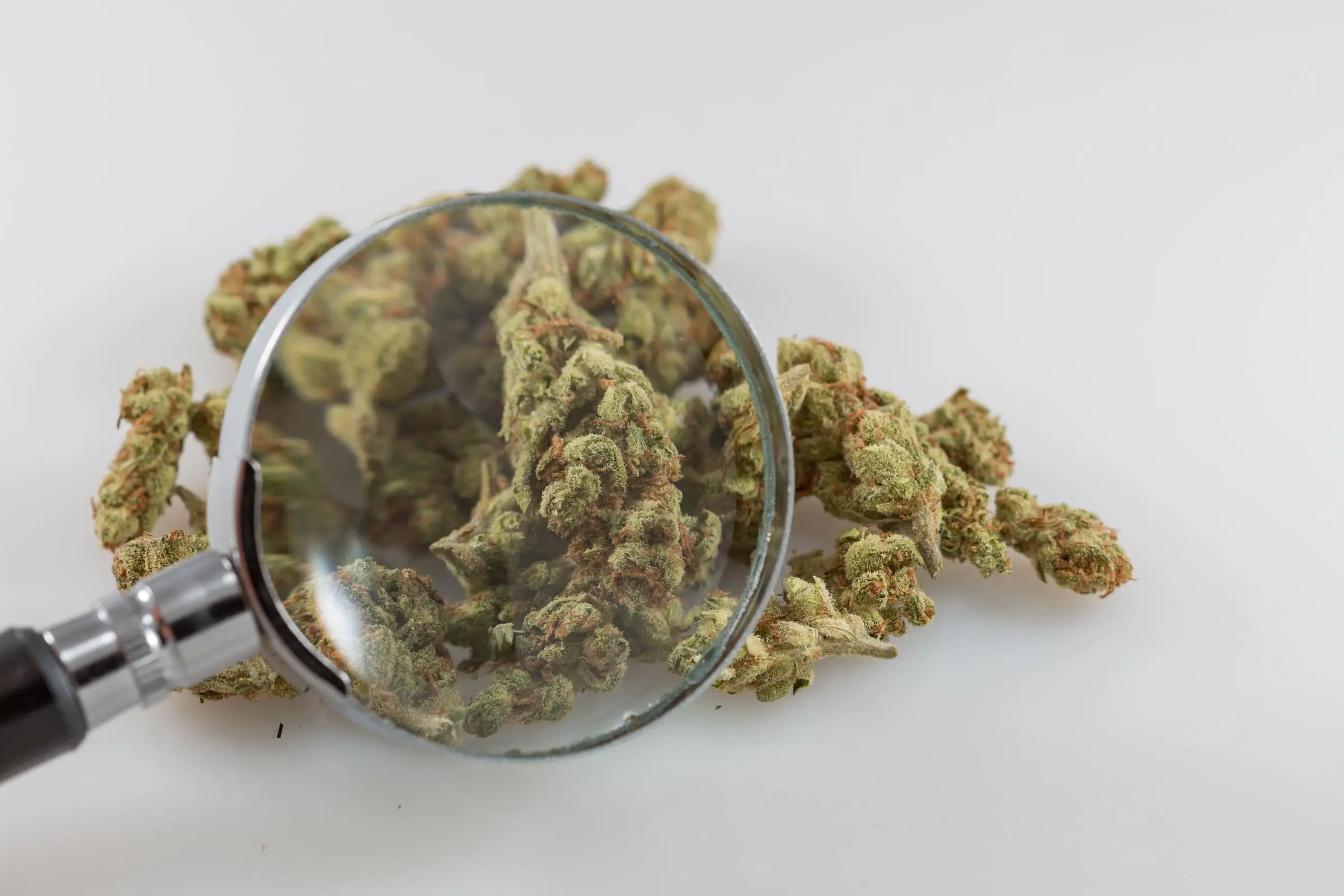
Marijuana research 2025 isn’t a polite wine tasting; it’s a roaring backroom where more than 4,000 new studies slam down on the bar and demand we pay attention. The headlines are simple enough: tens of thousands of PubMed citations, an advocacy group tallying the surge, and a chorus of researchers dismantling the old superstition that cannabis is unknowable. But underneath the fluorescent lab lights and the smell of solvent and curiosity, the plot is messier, more human. Since 2015, over 37,000 papers have hit the journals, and PubMed now flags north of 57,000 cannabis-related publications going back to 1840. Seventy percent of that literature arrived in just the last decade. That’s not a trickle; it’s a flood. The implications for cannabis policy reform, market behavior, and public health are as immediate as a ringing phone at last call. This is the Michigan diner chalkboard special of the week turned national main course—cannabis science, hot and ready, rewriting the menu for lawmakers, clinicians, and skeptics who still insist on pretending we’re in the dark.
Inside the data surge
What’s actually in those studies? A lot that punctures tired myths. Youth cannabis use in Canada drifted down after legalization—a reality check for doomsayers. Medical marijuana laws correlate with lower opioid prescribing, which matters in a country still counting the cost of every fentanyl-laced sunrise. Researchers are finding meaningful signals for anxiety and depression relief, not as a miracle cure, but as a sober, mechanistic inquiry into cannabinoids and endocannabinoid tone. Tourism upticks follow legalization, because people vote with their passports and wallets as much as their ballots. Other papers report that more Americans now use cannabis than smoke cigarettes, a cultural hinge point as mainstream risk perception flips. And in the weeds—literally—scientists are unearthing new cannabinoids like cannabielsoxa, small molecules that could steer future therapeutics. Meanwhile, the policy gears grind. Moving cannabis to Schedule III under the Controlled Substances Act dangles like a promise of fewer research barriers. A decision was teased, then delayed, then teased again. Capitol Hill keeps circling the question: who’s steering the ship when the evidence says go? You can feel that tension in oversight fights like Congresswoman Demands Details On Trump DOJ Marijuana Policy After Biden Guidance It Rescinded Is Revealed, where the bureaucracy’s muscle memory meets a data set that refuses to be ignored.
States move, science follows—and sometimes leads
The American lab is not just academic. It’s geographic. States make bets, and researchers come in with clipboards to see what’s real. That feedback loop is why it matters when lawmakers float big swings for upcoming sessions. Consider the steady drumbeat of proposals in the heartland, like Missouri Lawmakers Pre-File Multiple Marijuana And Psychedelics Bills For 2026 Session. The action isn’t just coast-to-coast anymore; it’s inland, in communities that don’t have time for culture-war monologues when they want clear rules, fair taxation, and evidence-based public safety. Each new pilot—social consumption lounges, expungement expansions, medical access tweaks—becomes a research prompt. Regulators get to compare apples to apples: crash rates, retail leakage, tax compliance, treatment admissions, youth exposure. The literature’s growth spurt means these experiments aren’t happening in a vacuum. They’re happening in a library, with enough shelf space to correct course quickly when a policy stumbles and to scale up when the data sings.
Courtrooms vs. clinics
Of course, not every chapter reads like progress. Legal challenges crop up where voters have already weighed in, trying to rewind the clock with procedural scalpels. The result: uncertainty for patients, businesses, and public health programs that track outcomes over years, not news cycles. Exhibit A is the fight captured in Nebraska Supreme Court Hears Case Seeking To Overturn Medical Marijuana Law Approved By Voters. When a medical framework is tossed into limbo, research gets kneecapped—no data stream, no longitudinal outcomes, no reality check to separate rumor from harm reduction. This is where the surge in cannabis studies should matter most. We now have better tools to measure youth access controls, workplace safety realities, impaired driving enforcement that actually targets impairment, not metabolites. It’s not about enshrining cannabis as saintly; it’s about replacing moral panic with measurable risk and benefit. Meanwhile, communities that could use clarity get legal fog, and researchers lose the continuity they need to understand long-term effects. Courtrooms can settle law, but they rarely settle science.
National market, national rules
The money side isn’t subtle. Markets crave predictability the way kitchens crave heat. If you want capital to back compliant operators instead of opportunists, you write rules that don’t change with the weather. That’s the drumbeat behind the blunt assessment in Marijuana Business Owner Running For Congress Says Federal Legalization Is The ‘Only Path’ For ‘National Market Stability’. Whether you agree or not, the thesis connects to the peer-reviewed avalanche: the bigger and sturdier the evidence base, the harder it is to justify a patchwork that treats a shipment crossing a state line like it fell into a legal black hole. With research expanding—dose-response curves, product standards, adverse event monitoring—you can build national frameworks that don’t have to reinvent the wheel at every border. Schedule III could grease the skids on study design, supply access, and cross-institution collaboration. But it’s only a waypoint. The point of evidence is to support durable policy, not to gather dust in PDFs while the illicit market eats lunch and compliant businesses measure shelf life in months.
What we know, what we owe
If this year’s tally says anything, it’s that cannabis has been studied—relentlessly, increasingly, and in ways that make both advocates and critics uncomfortable. That’s good. Science should be an unflinching dinner guest. The literature hints at benefits for certain conditions, risks that deserve unflashy mitigation, and market dynamics that can be shaped rather than feared. It also suggests what not to do: don’t criminalize the edges of a problem you can regulate; don’t pretend teenagers read statutes; don’t let rhetoric outrun data. Policymakers who still talk about cannabis like a rumor from a high school parking lot are out of step with a database that’s growing by the day. The country’s next moves—whether compliance crackdowns, research funding, or revised enforcement priorities—should read the room, and the literature, first. Because if there’s one throughline in this surge of cannabis studies, it’s a demand for adulthood in how we govern. Read it, argue it, test it—and then build on it. And if you’re curious to explore compliant hemp-derived options while the policy evolves, browse our shop here: https://thcaorder.com/shop/.