

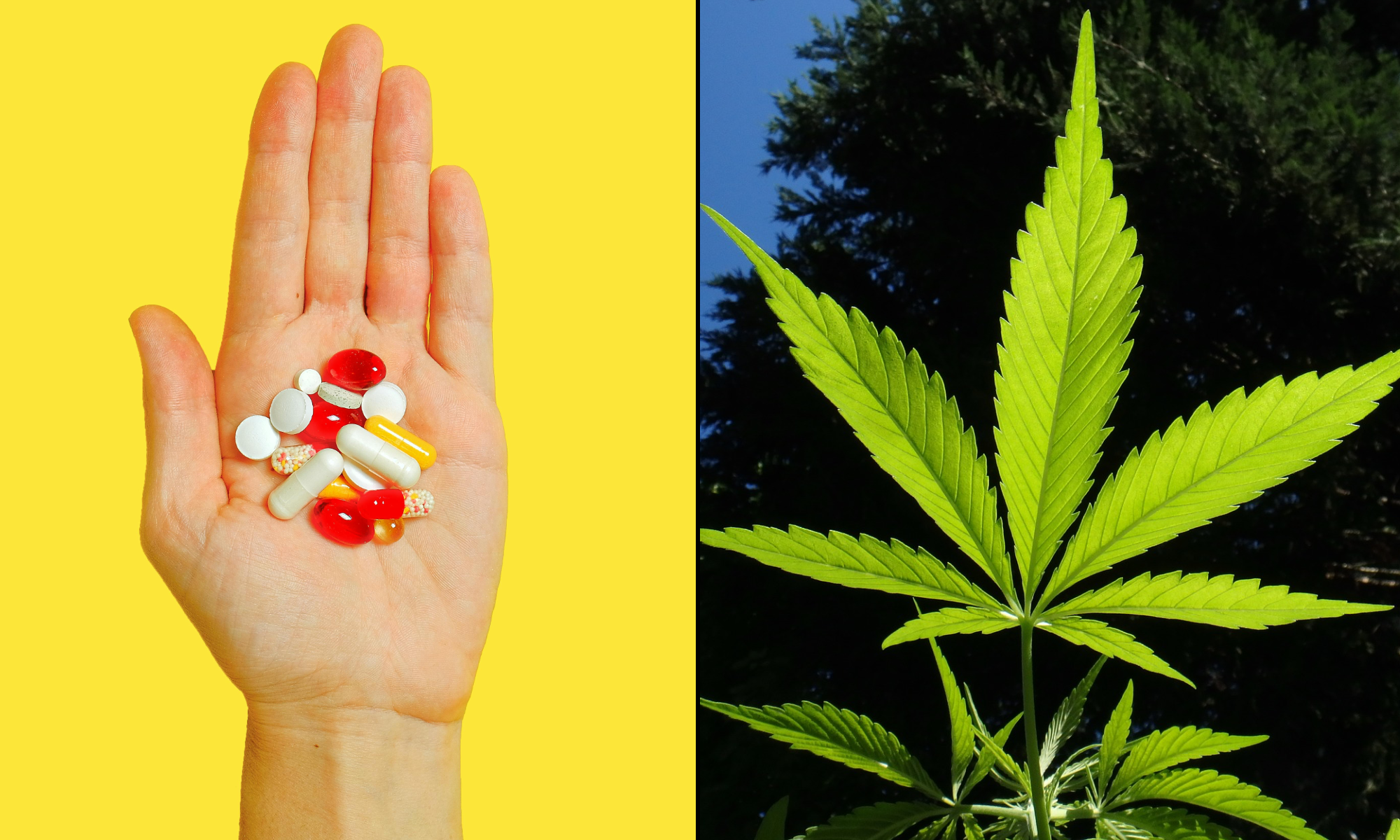
Patients In New York’s Medical Marijuana Program Saw ‘Significantly Reduced’ Opioid Prescriptions, Federally Funded Study Shows
New York medical cannabis program reduced opioid prescriptions — a sober headline for a country still waking up from the longest bad trip in modern medicine
The phrase is clinical, the impact anything but: New York medical cannabis program reduced opioid prescriptions. That’s the headline, the kind of dry truth that hides a shake in the hand of anyone who’s watched the opioid crisis torch lives from Buffalo to the Bronx. A federally funded American Medical Association study in JAMA Internal Medicine followed chronic pain patients newly certified for medical cannabis and found the opioid-sparing effect wasn’t just anecdote—it was measurable. In the clean fluorescent light of a pharmacist’s counter, cannabis, dispensed like any other medicine, helped people step back from the brink. If you’re tracking the slow pivot of U.S. drug policy and pain management, this is a signal through the noise: evidence of harm reduction that reads like common sense finally getting a seat at the table.
The study: real patients, real pain, fewer pills
Researchers at Montefiore Medical Center, the University of Arizona and the City University of New York recruited 204 adults already prescribed opioids for chronic pain and followed them for 18 months, from 2018 to 2023. Each person was newly certified for New York’s pharmacist-supervised medical cannabis program—no back-alley mythologies here, just dosing, tracking and accountability. Compared to similar patients who didn’t use cannabis, the participants who did reported an average reduction of 3.53 morphine milligram equivalents per day. NIDA helped fund the work, and the results—published in JAMA Internal Medicine—put numbers to what patients have been whispering to each other for years: cannabis can substitute for opioids in the everyday grind of pain. Lead author Deepika E. Slawek, M.D., M.S., put it plainly in a statement: supervised medical cannabis can relieve chronic pain and meaningfully reduce reliance on prescription opioids. If you want to see the design and data for yourself, the abstract sits in the medical literature like a lighthouse on a foggy coast: JAMA Internal Medicine.
Why this matters: substitution, supervised
We normalize disaster in this country—mass shootings, medical bankruptcies, the quiet geographies of overdose—but a pharmacist-led cannabis program carving measurable chunks out of opioid prescriptions cuts against that fatalism. This isn’t a miracle tonic or a culture war trophy. It’s clinical substitution under the glare of a state prescription monitoring system, with pharmacists reporting days of cannabis dispensed, and physicians looped in. The “opioid-sparing” idea isn’t just a buzzword; it’s an intervention that respects pain and suspicion in equal measure. Not every patient will trade oxycodone for THC or CBD. Not every clinic will be ready to coach dosing, chemovar selection, or the long-tail of chronic pain. But these data say patient choice and supervised cannabis access can bend the curve. In health-policy speak: the findings support evidence-based marijuana policy reform, especially in jurisdictions that value pharmacist involvement, careful documentation, and real-world outcomes over ideology.
The policy undertow: patchwork currents and crosswinds
Zoom out, and the cannabis map looks like a knife fight at a family reunion. Some states are leaning into access, others into rollback, and the feds hover, still parsing risk and ritual. New Mexico is sprinting, not strolling, toward psychedelic-assisted care, as seen in New Mexico Officials Move To Launch Psilocybin Therapy Program A Year Earlier Than Expected. In New Hampshire, the debate is edging toward direct democracy with ballot power and a slate of reforms outlined in New Hampshire Lawmakers Prefile Multiple Marijuana Bills For 2026—Including Measure To Let Voters Legalize On The Ballot. Ohio, meanwhile, flirts with the peculiar art of going backward, as detailed in Ohio Senate Expected To Vote On Bill Recriminalizing Some Marijuana Activity That Voters Legalized. And at the global level, the gatekeepers remain conservative to a fault—see the sober, stubborn line in World Health Organization Won’t Ease Coca Leaf Ban, Even As Review Found Prohibition Is More Dangerous Than The Plant. Against this patchwork, New York’s pharmacist-supervised cannabis program feels almost radical in its mundanity: regulated access, careful records, fewer opioids. It’s not culture war fodder; it’s operations. It’s public health.
What comes next: from proof to practice
Evidence only matters if it changes rooms: the clinic exam room, the statehouse hearing room, the living room where a family counts pills and wonders about tomorrow. For clinicians, the take-home is pragmatic—cannabis, under supervision, belongs in the chronic pain toolkit, with clear guidance on dosing, contraindications, and follow-up. For policymakers and insurers, the economics of fewer opioid prescriptions and fewer downstream complications should be irresistible. And for patients, this study means you can ask for a plan that doesn’t demand misery as proof of virtue. The JAMA paper doesn’t crown cannabis as a cure-all; it shows, with sober clarity, that legal cannabis access can reduce opioid use in the real world. That’s the kind of incremental victory that saves lives without fanfare. If you’re ready to explore compliant, high-quality options shaped by this evolving evidence, visit our shop.