



Oregon Marijuana Businesses Urge Federal Court To Uphold Ruling Blocking Industry Labor Law Approved By Voters
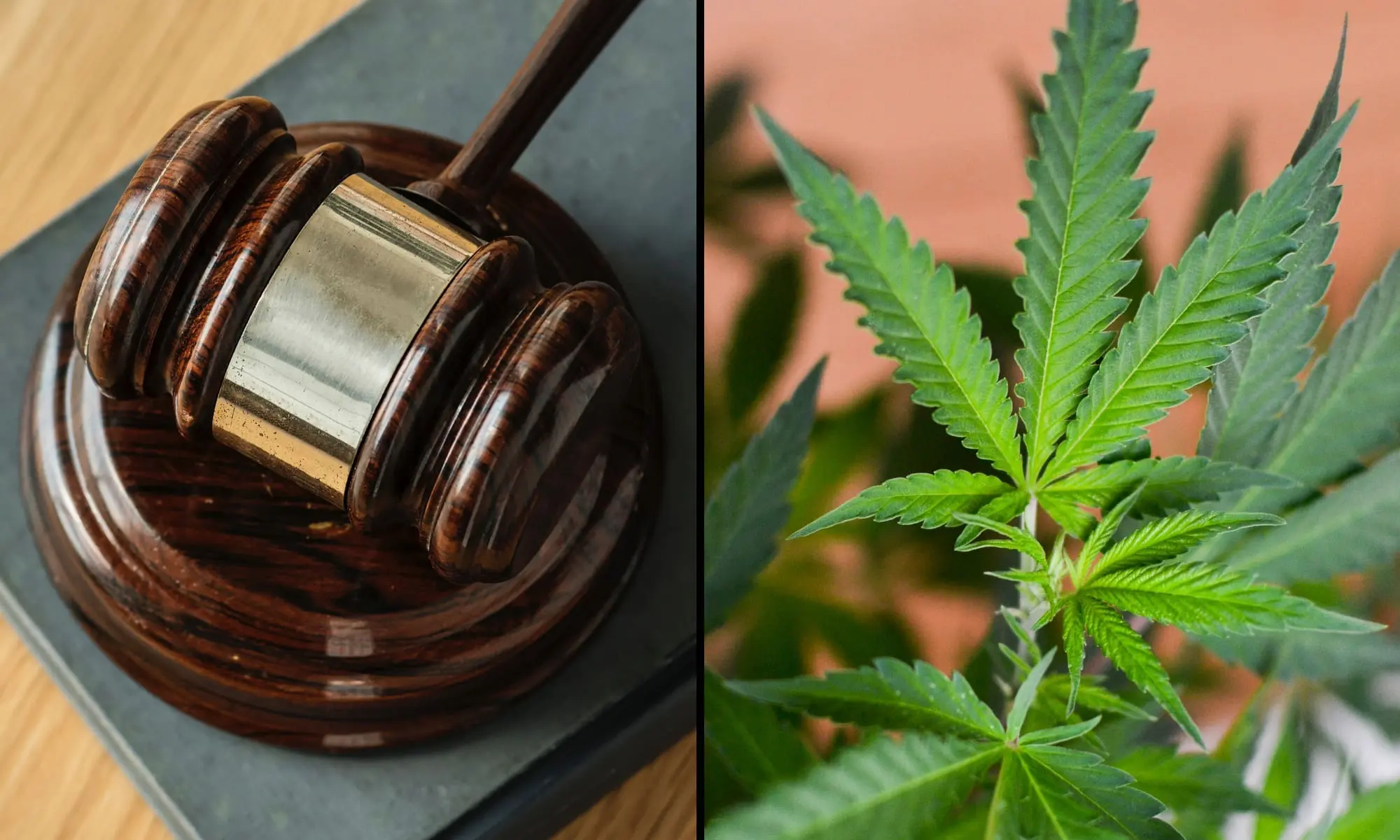
Oregon marijuana labor law faces a federal gut check, and the room smells like legal briefs, burnt coffee, and a campaign promise that’s gone a little stale. The fight is over Measure 119, a voter-approved mandate that would force cannabis companies to sign labor peace agreements and stay neutral when workers talk unions. Two Oregon businesses—Bubble’s Hash and Ascend Dispensary—are telling the Ninth Circuit to keep that law on ice, arguing the National Labor Relations Act (NLRA) already calls the shots on union debates and that the First Amendment doesn’t vanish at the dispensary door. This is the kind of cannabis policy story that doesn’t show up on neon billboards. It lives in the margins—where legality, labor, and free speech meet and argue over who’s picking up the tab.
The case: Measure 119 meets the NLRA
Here’s the spine of it. The district court blocked Measure 119, finding the NLRA preempts Oregon’s attempt to script employer neutrality, and that the state can’t tax, license, or regulate its way around free speech. The law, now paused, said no labor peace agreement, no license—simple as a turnstile, unforgiving as one too. But the federal labor law wasn’t written with cannabis in mind, and yet it applies—because workers are workers, and organizing is organizing, whether you sell rosé or rosin. The businesses say that while Washington often chooses not to prosecute cannabis under the Controlled Substances Act, that’s not a hall pass for states to violate other federal guardrails. Preemption is the house rule, they argue, and mandatory neutrality is a content-based muzzle that triggers strict scrutiny under the First Amendment. That’s not a small bar; that’s a high-wire act over a legal canyon. And if you’re wondering how worker protections and cannabis policy collide elsewhere, note how statehouses are sketching new boundaries around workplaces and weed—see Virginia Officials Publish Guidance On Marijuana Consumers’ Workplace Rights for a very different angle on who gets to say what on the job.
Speech, silence, and the price of neutrality
Supporters of Measure 119 say labor peace agreements keep the industry steady, like sandbags against the flood of low wages and churn. Unions—led here by UFCW Local 555—worked the signatures, sold the promise, and got the votes. Voters blessed the idea of calm, structured organizing with about 57 percent support. But neutrality is not silence; neutrality is scripted, and the First Amendment doesn’t play well with scripts. The district court read the NLRA as protecting “uninhibited, robust, and wide-open” debate in labor disputes—employers and employees both getting to throw their words into the ring. Oregon’s law tried to choke that debate at the source, the judge said. Pair that constitutional squeeze with the industry’s other headwinds—oversupply, sliding prices, compliance costs—and it’s a cocktail with a bitter finish. Just ask operators in other states wrestling with new burdens, like the tax bump cleared by a court in the Great Lakes region—see Michigan Judge Allows Marijuana Tax Increase To Take Effect Despite Industry Lawsuit. Different fight, same hangover: when margins get squeezed, everything gets louder.
Beyond Oregon: patchwork rules and pressure
Even if the Ninth Circuit affirms the block on Measure 119, the Oregon cannabis market won’t suddenly find religion and harmony. Regulators are still regulators. Union drives will continue, and the National Labor Relations Board will keep its boots in the shop, asserting jurisdiction where it can. What changes is the instrument—state-imposed neutrality versus federally protected debate. In the broader cannabis policy bazaar, every state chisels its own commandments into stone, then revises them at 2 a.m. when the politics shift. Age gates tighten here; taxes inch up there; workplace rules sprout like dandelions. Look at the Lone Star State’s latest guardrail—Texas Officials File Revised Rule Banning Hemp THC Sales To People Under 21 As State Expands Medical Marijuana Program. It’s the same patchwork quilt, a different square. Meanwhile, the industry casts around for leverage—technology, sustainability, any new ledger line that can turn red to black. Some see opportunity in carbon markets and climate math—an offbeat but increasingly relevant hedge, explored in How Hemp Producers Can Unlock Potential In Carbon Credit Markets (Op-Ed). Resilience isn’t just a buzzword; it’s a survival instinct.
The Ninth Circuit’s fork in the road
If the appeals court upholds the district judge, Oregon’s voter-approved labor peace requirement stays benched, and the message to other states is clear: if you want labor protections, write them with the NLRA in mind, not in its face. If the court reverses, Oregon regulators get the green light to tie licensure to neutrality—and suddenly the cannabis industry becomes a testing ground for how far states can push speech limits in the name of labor calm. Either outcome will ricochet through boardrooms and backrooms. The arguments themselves tell a larger story: cannabis is no longer a quirky outpost in American commerce. It’s a real industry in real courts, fighting over real constitutional questions while competing in a market that punishes mistakes fast. And for all the talk of “peace,” this is a turf war about who gets to speak, when, and at what cost.
So pour a stiff one and consider the irony: an industry still illegal federally is relying on federal labor law and the First Amendment to fend off a state mandate. That’s America in 2025—contradictions on tap, served neat. Watch the Ninth Circuit. Operators should prepare either way: train managers on lawful workplace speech, review organizing protocols, and budget for the ongoing seesaw of cannabis taxation, compliance, and litigation. The Oregon marijuana labor law saga is a reminder that the market’s loudest forces are usually the quietest lines in a statute. If you want to stay informed—and explore compliant, quality THCA products while you’re at it—visit our shop.