


Oregon House Passes Bill To Allow Medical Marijuana Access For Patients In Hospice Care
Oregon hospice medical marijuana access inches toward reality
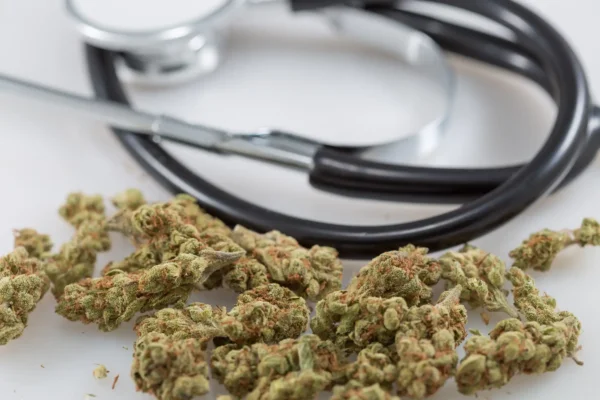
Oregon hospice medical marijuana access isn’t some hazy future talk anymore. It’s here, steaming on the plate, 39–3 out of the House, a bill called HB 4142 that says if you’re dying, or debilitated, or stuck in the bureaucratic purgatory between pain and paperwork, you should be able to use cannabis in places built to ease that passage—hospices, palliative and home care outfits, and residential facilities. Not hospitals, not yet. But the doors are cracking open where the lights are soft, the clocks tick slower, and family chairs get pulled closer to the bed. The pitch is simple and unsentimental: give patients options that don’t fog the last precious hours into a narcotic blur. Let them be present. Let them choose.
What the bill actually does
The policy is meat-and-potatoes governance, not a vibe. HB 4142 requires covered facilities to write rules that allow registered patients with debilitating conditions to use medical cannabis on site. It shields nurses from professional discipline just for discussing medical marijuana with patients. It lets eligible facilities act as caregivers if regulators sign off. And it carves out a narrow legal trench—exempting residential facilities that provide a patient with medical marijuana from state criminal laws tied to possession, delivery, or manufacture, provided they stay within the program’s lines. There’s runway built in, too: conditionally designated facilities can develop written policies and train staff before the start date. If the Senate signs off and the governor’s pen follows, the law becomes operative January 1, 2027. You can read the bill’s bones here: HB 4142 – Measure Overview. At its heart, the reform nods to what so many families know but rarely say out loud: opioids can ease pain, yes, but they can also muffle goodbyes. Lawmakers are signaling that cannabis, for some, may be a gentler co-pilot on the final stretch.
Why it matters—for patients and the people who care for them
End-of-life care is where policy meets the human condition with no polite buffer. Nausea, pain, anxiety, insomnia—these are not statistics; they’re long nights and short breaths. Advocates argue that medical cannabis can complement traditional meds and, in some cases, reduce opioid load while preserving a thin but vital thread of alertness. This bill doesn’t turn facilities into dispensaries. It asks them to be thoughtful: store securely, train staff, align with state rules, respect patient autonomy, and keep federal landmines in view. It’s also part of a broader movement inspired by so-called Ryan’s law measures—policies that bring medical marijuana into health care settings, only this Oregon version stops short of hospitals. Meanwhile, other states are tearing down and rebuilding their scaffolding in real time. Consider the governance whiplash when oversight gets trimmed or axed, as captured in South Dakota Lawmakers Vote To Eliminate Medical Marijuana Oversight Committee. The through line: access, accountability, and whether the system trusts patients enough to let them steer.
Oregon in the national current
Zoom out and you see a river of incremental reforms, each cutting a slightly different channel. Several states are advancing Ryan’s law-style measures that explicitly allow medical marijuana in health care facilities; recent movement in Colorado, Hawaii, Virginia, and Washington shows the idea has legs across political climates. What Oregon proposes is targeted and pragmatic, designed to fit into the medical cannabis program without detonating it. It sketches guardrails rather than paint-by-numbers, giving facilities room to craft workable policies before 2027. That’s key, because the U.S. still argues about cannabinoids like it’s 1999—one hand loosening medical access, the other tightening different screws. In Congress, even hemp’s legal headspace is in flux, with a pivotal decision looming as outlined in Key Congressional Committee Set To Vote On Delaying Federal Hemp THC Ban Next Week. Oregon’s bill doesn’t solve that split, but it smartly navigates around it for the people who need clarity most.
Policy, perception, and the road ahead
Cannabis policy isn’t just statutes and memos. It’s culture, fear, and education, each tugging the wheel. Public sentiment is drifting toward a wider therapeutic canvas, not just for cannabis but for other stigmatized compounds, a trajectory captured in Americans’ Support For Legalizing Psychedelics Is Where Marijuana Was In The 1990s Before State Reforms, Poll Shows. If the past is prologue, education is the hinge—because most “marijuana problems” dissolve under light and literacy, as argued in America Doesn’t Have A ‘Marijuana Problem,’ As NYT Claims—It Has a Cannabis Education Problem (Op-Ed). For now, Oregon’s bill heads to the Senate Health Care Committee, where the questions will be practical: storage protocols, caregiver authority, nurse counseling boundaries, and how to respect both state law and facility policy without spooking insurers or regulators. If the Senate moves it, patients and families get a clearer path by 2027. That’s not revolution; it’s mercy made administrative. And if you’re ready to explore compliant, lab-tested THCA choices with the same respect for nuance this bill demands, take a look at our shop: https://thcaorder.com/shop/.