



Oklahoma Lawmakers Vote To Extend Medical Marijuana Business License Moratorium
Oklahoma medical marijuana license moratorium: the state hits pause, caps grows, and dares the market to behave
Oklahoma’s cannabis story has always read like a diner open past midnight—bright lights, hot griddles, and a door that never locked. Now lawmakers are turning the sign to “closed for new business” and counting heads at the counter. An extended Oklahoma medical marijuana license moratorium, paired with a hard cap on grow licenses, is moving through the Capitol with the steady clink of silverware. The House pushed two measures—the moratorium extension and a ceiling on the number of cultivators—across the table with lopsided votes, betting these guardrails will tame a freewheeling market without starving patients or strangling legitimate operators. It’s about compliance, they say. About corralling the “Wild West” vibe before it gallops off again. It’s also about power, margins, and whether the Oklahoma cannabis market grows up or grinds down.
What exactly changes
- Moratorium on new business licenses extended to August 1, 2028 under HB 3143. House vote: 82–8.
- Statewide cap of 2,500 licensed grows via HB 3144. House vote: 82–15.
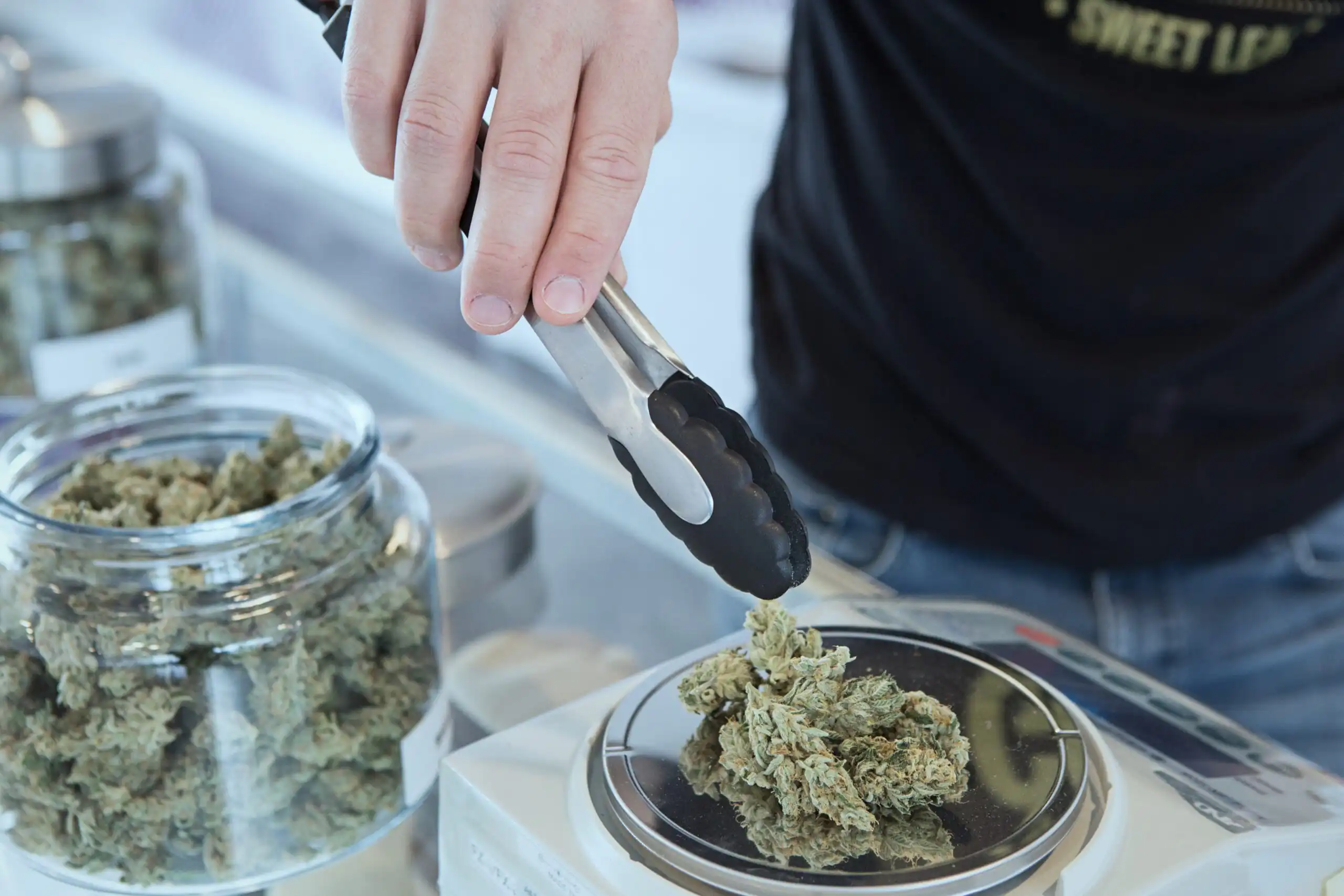
- As of now: 2,164 licensed grows, 686 processors, 1,421 dispensaries, 58 transporters (OMMA dashboard).
- Existing, compliant medical businesses can still open new locations tied to current licenses; license transfers remain in play.
“We don’t want to go back to the Wild, Wild West and have 10,000 licenses out there. We wanna put a number on that so we can keep them in compliance.”
That’s the thesis in a shot glass. Fewer doors to knock on means easier enforcement, clearer compliance, and a market that leans medical rather than recreational-in-everything-but-name. The cap sits just above today’s grow count, which is a tell: Oklahoma isn’t slamming the brakes, it’s easing off the gas and putting a hand on the wheel. House leaders argue the extension cuts oxygen to bad actors working the gray edges—shell companies, fictitious farms, phantom product—and gives regulators time to build a sturdier spine. Patients shouldn’t feel the pinch, they say; a saturated cultivation scene already pushes prices down while creating headaches for inspectors. By holding the line near current levels, the state hopes to keep shelves full and audits tight. The market will test that logic, loudly.
Still, the devil lives in the paperwork. The moratorium only blocks brand-new licenses, not growth by those already playing inside the lines. If you’ve got an active, compliant license, you can expand with it—more doors under your existing umbrella. And if you don’t, you can buy your way in through license transfers. That creates gravity toward consolidation, where experienced operators scoop up distressed assets, and small-town startups with dreams of one perfect grow find themselves haggling over valuations instead of terroir. Urban shops might multiply; rural cultivators could thin, stabilize, or form co-ops to survive. For patients, continuity is everything: uninterrupted access, transparent testing, and reliable pricing. For regulators, it’s about data and daylight—tracking plants, invoices, and power bills until the outliers glow red on a dashboard. When the moratorium eventually lifts, the state’s new cap will be the guardrail that keeps a once-infinite frontier from sprawling back into chaos.
Zooming out: policy ripples across borders
- In a state where voters are restless with status quo enforcement, see how sentiment shapes policy in neighboring debates: Texas Voters Disapprove Of How State Officials Are Handling Marijuana And THC Laws, Poll Shows.
- Revenue frames reform, too. Far from the Plains, fiscal math keeps the conversation practical: Legalizing Marijuana In Pennsylvania Would Generate Almost Half A Billion Dollars In Revenue By 2028 Under Governor’s Plan, State Analysis Finds.
- Hemp and high-THC politics collide in the heartland. One attempt to slam the door didn’t make it across the finish line: Indiana Bill To Ban Hemp THC Products Dies As Key Deadline Passes.
- And if you missed the parallel beat, the statehouse drumline repeated it in print: Indiana Bill To Ben Hemp THC Products Dies As Key Deadline Passes.
Oklahoma’s move isn’t a culture war skirmish so much as a compliance playbook. It reads like a restaurant cutting the menu to its greatest hits so the kitchen can execute. The grow cap quiets the arms race. The moratorium buys time to audit, refine, and reset. If you believe in regulation with teeth, this is the part where inspectors get boots, prosecutors get roadmaps, and the underground loses places to hide. If you fear cartel creep and fly-by-night farms, this looks like the first adult decision in a long time. The test is whether the patient experience stays smooth—no desert shelves, no surprise spikes, no mystery product—and whether legitimate operators can still find oxygen. When the dust settles, the success metric won’t be the headline votes or the tidy bill numbers; it’ll be whether the market feels less like 2 a.m. chaos and more like a clean, steady service. And if you’re ready to explore compliant, premium options in the meantime, pull up a chair at our shop.