Oklahoma Governor Claims Lawmakers Support His Push To Roll Back State’s Voter-Approved Medical Marijuana Law
Oklahoma’s do-over: the governor’s gambit
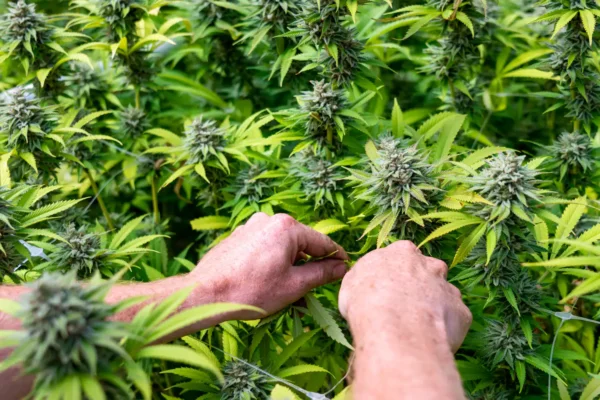
Oklahoma medical marijuana rollback is the headline Governor Kevin Stitt keeps trying to write, a late-night rewrite of a voter-approved script that’s been running since 2018. In a conversation with a conservative faith leader, he said voters were sold a bill of goods. Too many shops. Too much weed. Too many kids chewing pastel gummies like they’re Flintstones vitamins. He floated a fresh ballot question, this time routed through the legislature, to either shut the program down or tighten the screws until it squeaks. The pitch is familiar: protect kids, crush unlicensed operators, and tame an industry he says has outgrown its pen. It’s a story of a state that sprinted into the medical market and woke up with more dispensaries than pharmacies, a harvest he argues feeds more than patients—spilling into the gray and the black, the in-between and the underworld.
The numbers that fuel the fire
Stitt’s case stacks up like a prosecutor’s opening statement—brisk, damning, and short on patience. He says the initiative process was too easy back then; the rules have since been tightened; lawmakers can send questions straight to the ballot if they want. He wants them to want it. And he wants voters to stare the program in the eye again and decide if this is still medicine or a runaway market. His talking points, as he’s framed them:
- More dispensaries than pharmacies across Oklahoma.
- Roughly 32 times more cannabis cultivated than consumed legally, implying leakage to illicit channels.
- A reported 73 percent rise in youth use—edibles, gummies, the candy aisle of concern.
- A “checkered board” of state laws that he says breeds confusion, black markets, and bad actors.
- A pathway to the ballot via the legislature, now “more representative” than the open floodgates of 2018.
Inside the Capitol: pushback, caveats, and contingencies
Not everyone at the Capitol wants to pull the fire alarm. The Senate’s presiding Republican has said it’s hard to unring a bell this loud and unfair to licensed operators who mortgaged their futures to follow the rules. The House’s Republican speaker reads the room differently too, noting that voters already chose medical marijuana—and rejected adult-use—making the line between medicine and recreation as Oklahoma as a fence line in red dirt. The state’s attorney general admits he’d love a full wipe but warns that shutting the storefronts could trigger costly takings claims; you don’t just seize a revenue stream without paying the tab. Democrats, for their part, say honor the vote and implement the guardrails lawmakers skipped back when this started. And beyond the marble hallways, tribal leadership voices have backed reforming the program—aligning with the governor on the need for a cleanup, if not his appetite for a full teardown.
The national patchwork: hypocrisy, rescheduling, and patients in the middle
Zoom out and the map looks like spilled paint: red states, blue states, dry counties in a wet country. Federal prohibition keeps the ground shifting under every dispensary floor. There’s also the culture war theater—where some politicians scold cannabis in daylight and wink at it after hours. See Florida’s own split-screen moment: GOP Congressman Running For Florida Governor Admits To Selling Marijuana Despite Opposing Legalization And Sentencing Reform. Even in Congress, the rules feel like they’re written in pencil. Consider how one senator dodged whether Nebraska’s patients get federal protections, a reminder that the patchwork cuts deepest at the borders—GOP Senator Dodges Question About Nebraska’s Exclusion From Medical Marijuana Protections At Federal Level. Meanwhile, some conservative lawmakers are gaming out what federal rescheduling could unlock back home, like a door cracked open in Tennessee—Top GOP Tennessee Lawmaker Says Federal Marijuana Rescheduling Could Open Door To Legalizing Medical Use In His State. And in the real world—away from war rooms and press hits—millions lean on cannabinoids as substitutes for painkillers and sleep aids, stacking evidence that “medical” isn’t just branding but demand born from experience: Millions Of Americans Use CBD As A Substitute For Painkillers And Other Medications, Federally Funded Study Shows.
What comes next in Oklahoma
Back home, reality is messier than a talking point. Adult-use advocates pulled their 2026 push, citing headwinds and timing. Law enforcement is raising alarms about illicit grows and trafficking while lawmakers toy with sharper rules—from protecting gun rights for medical cardholders to the more draconian idea of criminalizing cannabis use during pregnancy. Activists fire back that the administration failed to regulate and let bad actors burrow in; the governor says the program itself is the problem. Somewhere between those poles lives the hard work: auditing the grow-to-sale gap, cracking down on fakes without kneecapping legit operators, and being honest about youth access, product labeling, and where enforcement bites and where it merely barks. In a state that prides itself on grit, this is another oilfield problem: high pressure, complex valves, and real consequences if you twist the wrong handle too fast. However you slice the debate, stay informed, vote with both eyes open, and if you’re exploring compliant hemp options, browse our selection at our shop.