



Ohio Senate Expected To Vote On Bill Recriminalizing Some Marijuana Activity That Voters Legalized
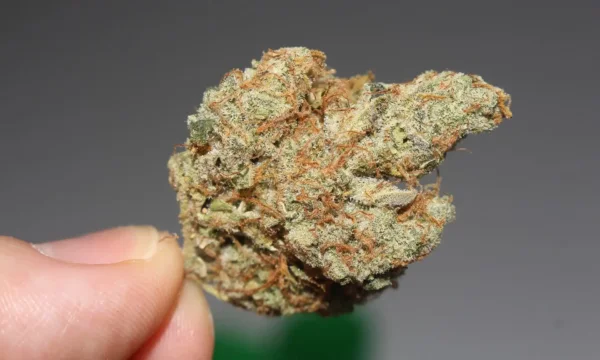
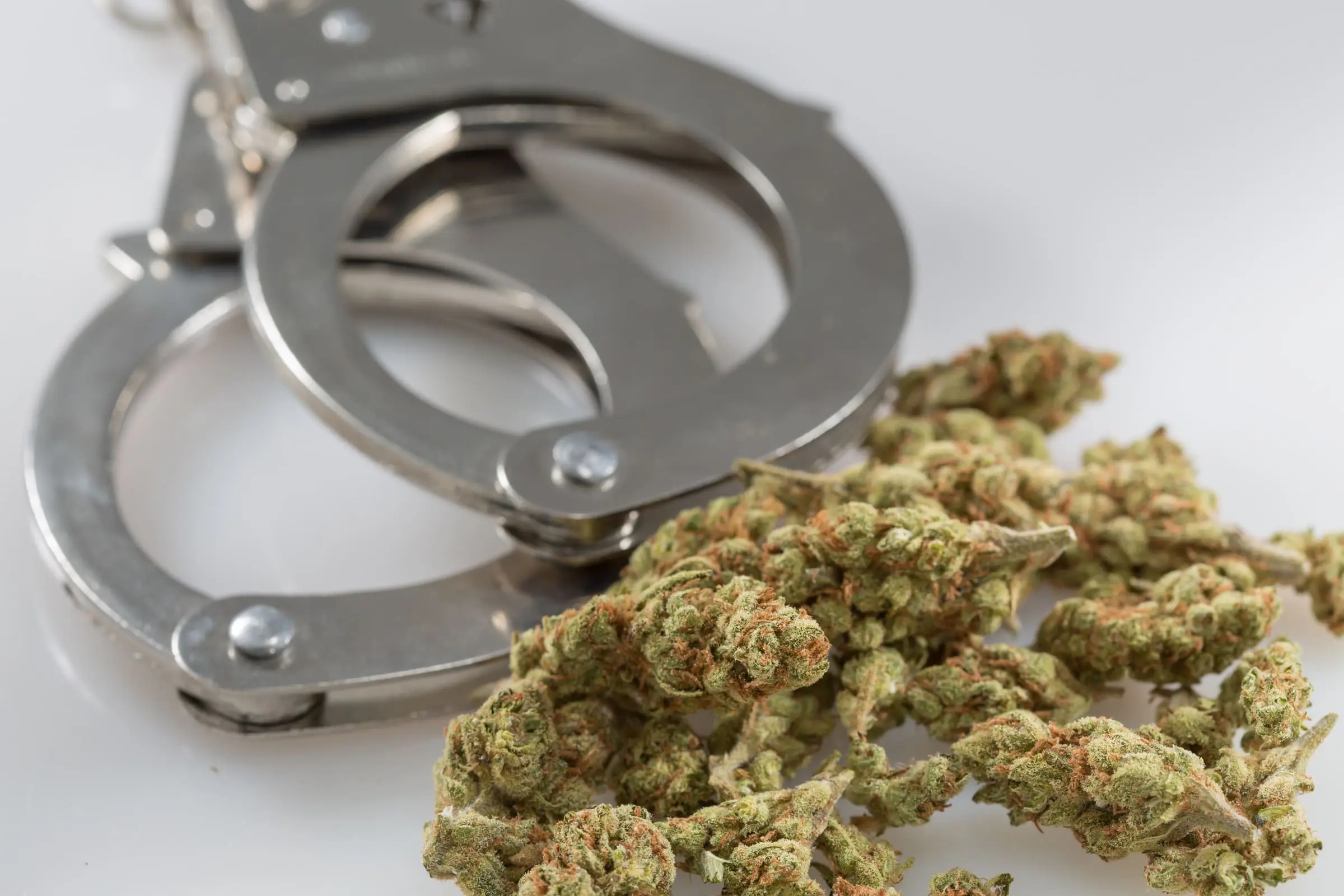
Ohio marijuana recriminalization is arriving dressed in a polyester suit called SB 56—a bill that pretends to tidy up intoxicating hemp while slipping new penalties onto legal cannabis users like an extra charge you didn’t order. It’s the kind of late-night policy that turns common behavior into contraband: carry your gummies in the wrong wrapper, buy your eighth in Michigan and drive it home, and suddenly you’re flirting with a ticket. The pitch is safety and order; the effect is confusion and control. In a state that just voted to legalize adult use, this next chapter reads like a sequel nobody asked for, steeped in the language of “compliance” and “regulation” while carving up the lived reality of a growing Ohio cannabis market—its transportation rules, possession standards, and the fragile legal protections voters thought they’d secured.
What SB 56 actually does
Think of SB 56 as a house rulebook that fines you for wearing shoes in the kitchen. Under the bill, legal cannabis must ride in your trunk, sealed in its original, unopened packaging. No trunk? It goes behind the last upright seat, like a kid on time-out. Edibles? Same deal: original package or bust. Stash an open jar in the glovebox and you’re looking at a minor misdemeanor—max fine $150, no jail, but still a criminal citation that lives somewhere in the system. The other shoe is cross-border. Michigan’s prices are lower—anyone paying attention to the Midwest knows this—and SB 56 would make that bargain bag effectively illegal the moment it crosses into Ohio. A national advocate with NORML called the scheme nonsensical for recriminalizing innocuous behavior that legalization was supposed to retire, and it’s hard to argue with the absurdity: buy legal weed there, lose legal status here. If you’re wondering whether other adult-use states ticket people for simple possession that originated elsewhere, advocates say this approach is an outlier in the cannabis policy reform playbook.
Protections rolled back, rights reimagined
Legalization wasn’t just about being able to buy flower and edibles; it came with guardrails meant to keep cannabis use from wrecking your life in slow motion. Voters in 2023 approved rules that told licensing boards, family courts, and hospitals not to punish lawful adult use. SB 56 takes a scalpel to those protections. Professional boards regain latitude to sanction for marijuana. Family court judges can weigh use more heavily when deciding custody or parenting time. Landlords and organ donation pathways, once cautioned to look beyond THC, get new leeway to say no. Public benefits still exist for users, except unemployment compensation—another door closed. It’s a reminder that legalization without civil-rights infrastructure is just a store with a cashier. This is bigger than Ohio, too. The federal debate over who counts as a “law-abiding” cannabis user keeps colliding with other rights, like gun ownership—hence the mounting tension captured in DOJ Knew Gun Ban For Marijuana Users Is Vulnerable To ‘Litigation Risk,’ Newly Revealed Memo Shows As Supreme Court Takes Up Issue. Civil liberties don’t exist in silos; yank one thread and the whole sweater starts to warp.
The politics under the hood
SB 56 is a compromise forged in a conference room with bad coffee and too many agendas. You’ve got Democrats who don’t want to slap minor criminal penalties on run-of-the-mill users. Libertarian-leaning Republicans who don’t want anyone’s home grow raided. Religious conservatives convinced intoxicants erode the soul. Local governments eyeing cannabis revenue. And a governor eager to clean up the gas-station hemp bazaar—delta-8 and friends—under the banner of a comprehensive intoxicating hemp regulatory system. All told, more than a hundred lobbyists circled the bill. This is the American drug policy carnival, where prohibition instincts never quite die—they just rebrand. We’ve seen it globally, too: even as evidence mounts that a plant is less dangerous than the hysteria surrounding it, institutions hold the line, as in World Health Organization Won’t Ease Coca Leaf Ban, Even As Review Found Prohibition Is More Dangerous Than The Plant. And in D.C., the personnel wars over who gets to steer drug policy are their own sideshow, like the saga captured in Senator Blocks Confirmation Of Trump’s ‘Unqualified’ White House Drug Czar Pick Who Has Voiced Medical Marijuana Support. The point: cannabis governance isn’t a clean recipe—it’s a stew of fear, money, and incrementalism.
Crossing borders, crossing wires
The Midwest has built an awkward cannabis economy that tests both patience and wallet. Michigan’s mature market is a magnet for Ohioans hunting value. Now SB 56 tries to slam the door with a minor misdemeanor for bringing bargain bud across the line. One state’s efficient supply chain turns into another state’s contraband, even though both are a short drive and the same plant. Meanwhile, the region inches forward in fits and starts. Kentucky is teeing up access for patients—Kentucky’s First Medical Marijuana Dispensary Will Open In ‘Next Couple Of Weeks,’ Governor Says, Touting Cannabis As Opioid Alternative—a reminder that even conservative zip codes are acknowledging cannabis as a public health tool amid an opioid crisis. Ohio, for its part, appears stuck between tax revenue hopes and cultural hang-ups, choosing to police packaging and provenance instead of streamlining the legal cannabis market. If you’re keeping score on cannabis taxation, consumer safety, and market coherence, the ledger reads like a half-finished crossword.
How to live with the rules—and what’s next
Until the Senate votes and the governor signs—or doesn’t—this is the world being built: a legalization that can still ticket you for a gas-station sin, or for swapping a baggie. If SB 56 becomes law, the safest play is painfully unromantic. Buy in-state. Keep cannabis behind the last upright seat or in the trunk. Hold onto the original packaging like it’s a passport. If you’re a professional licensee or a parent navigating family court, expect less grace and more scrutiny than the 2023 ballot language suggested. The bigger question—what kind of cannabis state Ohio wants to be—remains on the table. Does it trust adults and invest in smart oversight, or does it resurrect low-level penalties to soothe old anxieties? For a detailed run-through of what lawmakers stitched into this bill, see the original reporting from Signal Cleveland, which first mapped the minefield. And if you prefer to skip the drama and simply enjoy compliant, high-quality THCA products without the guesswork, explore our shop: https://thcaorder.com/shop/.