Ohio Governor Tells Cannabis Advocates To Stop ‘Whining’ Over Legalization Law Changes As Rollback Referendum Proceeds
Ohio marijuana rollback referendum: a salt-and-pepper fight over who really runs the table in a newly legal market. Picture a bar at last call—neon buzzing, glasses clinking, a crowd split down the middle. On one side, Gov. Mike DeWine telling critics to stop “whining,” on the other, small hemp shops and THC seltzer brewers watching the lights flicker on their livelihoods. SB 56 is the house rulebook tossed onto the bar top: it narrows the intoxicating hemp trade, rewrites parts of the voter-approved cannabis law, and dares the Ohio cannabis market to adjust. This is cannabis taxation, marijuana policy reform, and the raw politics of control—less a tidy policy seminar than a hallway brawl about what “legal” was supposed to mean.
The bill’s bones are blunt. Lawmakers sliced out core sections of the legalization framework and stitched in new prohibitions. Some marijuana activity Ohioans thought they’d legalized last year would be recriminalized. Anti-discrimination guardrails for consumers—meant to protect organ transplant eligibility, professional licenses, even child custody—get stripped back. Possession from any source other than an Ohio dispensary or your legal homegrow? Suddenly a chargeable offense, even if you drove back from a legal store in Michigan. Public life tightens, too: no smoking on outdoor bar patios; landlords may ban vaping on rented property, right down to your own backyard. Meanwhile, the intoxicating hemp market takes a body blow. Products with more than 0.4 mg total THC per container, or anything riding on synthetic cannabinoids, can’t be sold outside licensed dispensaries. A temporary on-ramp for hemp beverages was on the table—then the governor’s line-item veto snapped it shut. Supporters call it a clean-up of a gray market that’s been hawking risky unknowns to kids; critics call it a sledgehammer that could level thousands of small businesses and erase a billion dollars in annual economic oxygen. The rhetoric drips with moral clarity on both sides; the reality smells like spilled beer and compromise gone sour.
Enter the referendum, hustling against the clock. Ohioans for Cannabis Choice won clearance from the attorney general after reworking their summary, and now the signature sprint is on. If they hit the threshold by the deadline—the very day SB 56 is set to bite—the whole law stalls until voters weigh in. The target is surgical: three sections tied to the regulation, criminalization, and taxation of cannabis and certain hemp goods, from licensing to classification to transport. Approve the referendum and the rollback stands; reject it and the prior law snaps back. The stakes aren’t abstract: Ohio retailers moved more than a billion dollars in legal cannabis products in 2025, and as of June the state doubled purchase limits for adults, betting the supply chain can feed both patients and new customers. Regulators have been chiseling at packaging and labeling rules while the governor pitches a reroute of legal cannabis revenue to police training, local jails, and behavioral health—proof that every marijuana policy tweak ripples straight into the budget ledger. Legal cannabis revenue isn’t just cash; it’s a map of priorities.
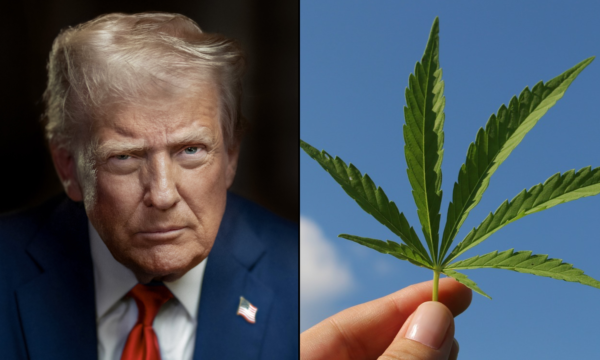
Zoom out and the mosaic gets messier, brighter, and louder. In Pennsylvania, reformers plead for a governor-led, bipartisan sit-down to hammer through stalemate—see Pennsylvania Governor Should Lead On Marijuana Legalization By Convening Bipartisan Lawmakers For Negotiations, Advocates Say. Hawaii’s quietly doing the practical thing, letting patients medicate where care actually happens—read Hawaii Lawmakers Approve Bill To Let Patients Use Medical Marijuana At Health Facilities. In Oklahoma, a top Republican senator is breaking ranks over whether to kneecap the medical program at the ballot box—check Top GOP Oklahoma Senator Breaks With Governor Over Call To End Medical Marijuana Program At The Ballot. And at the federal edge, even the rescheduling conversation turns into an intraparty knife fight—see Trump Was ‘Poorly Advised’ On Marijuana Rescheduling, GOP Senator Says After Directly Raising Concerns With President. The throughline: voters keep nudging toward normalization while power brokers argue over pace, venue, and who gets the tab.
So here we are again, in Ohio’s familiar dim light. A governor betting that a tougher line on intoxicating hemp and tighter cannabis rules will read as common sense. Advocates betting that voters, given a clean shot, will yank the wheel back toward the promise they marked on their ballots. In the middle: bartenders and brewers, landlords and line cooks, cops and caseworkers, judges and patients—people who don’t live in footnotes but who feel every policy zig like a pothole. Watch the signature count, the inevitable court scuffles (the state’s emergency hemp restrictions already drew a judicial timeout), the regulatory tune-ups, and the steady drum of local ordinances trying to square state rules with real neighborhoods. No one’s leaving the bar early, and everyone’s still thirsty. If you want a clear, compliant way to explore THCA while the policy dust swirls, finish your read and then browse our shop.