

Ohio Governor Signs Bill To Recriminalize Some Marijuana Activity, Vetoing Provision To Allow THC Drinks For A Year
Ohio intoxicating hemp ban lands like a last-call bell—abrupt, bright, and unflinching. Gov. Mike DeWine just inked S.B. 56, a law that yanks intoxicating hemp products off Main Street shelves unless they move behind the glass at licensed dispensaries. The move knits Ohio to recent federal shifts and slams the brakes on the fast-and-loose hemp beverage scene—especially after DeWine vetoed a carveout that would’ve let five-milligram THC drinks flow until late 2026. He framed it as simple triage—stop it now, not later—and cast THC beverages as trouble magnets. In 90 days, the Ohio cannabis market will wake up to a new reality: fewer places to buy hemp intoxication, tighter rules on how cannabis travels and looks, and a message that “legal” here isn’t necessarily legal if it crossed a state line in your glovebox. It’s marijuana policy reform by blunt instrument, where the headline promise of clarity runs headlong into the lived messiness of real people, real businesses, and a market that never sleeps.
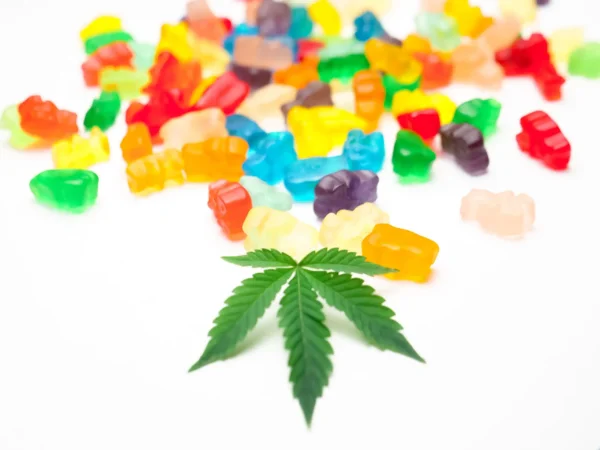
On paper, the statute reads like an orderly kitchen mise en place. The state caps THC at 35 percent for adult-use flower and 70 percent for extracts, and bans smoking in most public spaces—because “legal” doesn’t mean lighting up on the courthouse steps. Packaging becomes sacred: change the container and you may be flirting with a charge. That gummy you bought in Michigan and tossed in your pocket? Bringing it home becomes a crime. Keep your stash in the trunk, not the console. Some probable-cause language was pared back, but enough remains to keep drivers nervous. Meanwhile, the hemp side absorbs a shock: products above a razor-thin THC threshold per container are effectively swept from non-dispensary storefronts. Folks hustling in the intoxicating hemp trade worry—and they’re not wrong—that a whole tier of small operators could be erased by the time the snow melts.
Follow the money and the picture gets more nuanced—if not kinder. Cannabis taxation remains at 10 percent for adult-use sales, a figure Ohio hopes won’t scare off consumers but will still feed city coffers. In fact, 36 percent of legal cannabis revenue slides back to municipalities and townships hosting adult-use dispensaries—a pragmatic nod to local budgets and police overtime. Home grow stays intact: six plants per adult, twelve per household, a rare constant amid the churn. The state slaps a hard cap on dispensaries at 400, aiming for order instead of a land rush. And yet, even with the rules tightening, the Ohio cannabis market roared out of the gate: adult-use sales launched in August 2024 and crossed $702.5 million in the first year. That’s real legal cannabis revenue—jobs, rent, taxes, and the local diner that now does a brisk Saturday breakfast trade when the lines form down the block at 10 a.m. This is the part lawmakers sometimes forget: regulation isn’t just guardrails—it’s choreography. Change the beat, and the whole room has to learn new steps.
Zoom out, and Ohio’s posture slots into a national picture that can’t decide between the gas pedal and the brake. In Washington and on the campaign trail, you hear whiplash in every microphone check. Some argue that Trump’s Marijuana Rescheduling Move Could Boost State Legalization Efforts, Lawmakers In Pennsylvania And Tennessee Say, while others counter that Trump Lied About Not Getting Any Calls Against Marijuana Rescheduling, GOP Senator Suggests, and a chorus of top cops warns that GOP State Attorneys General Push Back On Trump’s Marijuana Move, Saying It Could Harm ‘The Safety Of Our Citizens’. Down in the Sunshine State, even the calendar is on trial as Florida Attorney General Asks Supreme Court To Review 2026 Marijuana Legalization Ballot Initiative. Back in Columbus, House leadership shrugs and calls it the fallout of poorly drafted federal laws. Maybe they’re right. Maybe they’re also playing to the crowd. Either way, Ohio’s new stance puts a fine point on a national theme: cannabis policy is being written in pencil, and the erasers are getting a workout.
So what does this mean on the ground—tomorrow, next month, 90 days from now? Expect retail triage. Smoke shops and hemp boutiques that swam in the gray will scramble for licenses, pivot to non-intoxicating SKUs, or shutter. Dispensaries win market share but inherit compliance headaches: THC potency ceilings to honor, packaging rules to police, customers to re-educate. Consumers will adapt because they always do—shifting to regulated shelves, car trunks, and QR-coded packages. If there’s a silver lining, it’s that the revenue-sharing model could steady local services, even as the industry relearns the map. The larger truth is simpler and more human. Cannabis isn’t a culture war football or a line item in a budget; it’s a marketplace and a ritual, a relief for some, a livelihood for others. Ohio chose structure over chaos. Whether that structure tastes like order or ash depends on where you sit—and what you’re holding when the lights come up. For a grounded look at compliant choices as this landscape keeps shifting, explore our shop: https://thcaorder.com/shop/.