




Ohio Attorney General Approves Referendum To Reverse Marijuana And Hemp Restrictions
Ohio marijuana referendum approval lights a fuse under SB 56
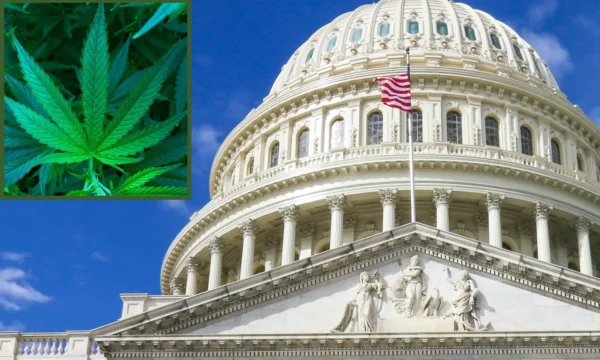
Ohio marijuana referendum. Say it out loud like a bar order at last call, because that’s what Attorney General Dave Yost just greenlit: a second round that actually counts. After rejecting the first draft as misleading, Yost certified the revised title and summary of a citizen-led referendum to stop parts of Ohio’s restrictive marijuana and hemp law, SB 56, from kicking in. He was careful—lawyerly—to say he wasn’t blessing the measure’s “enforceability” or “constitutionality,” only the words on the page. But in this business, words open doors. With certification in hand, the campaign can start hunting roughly 250,000 valid signatures to make the ballot. Pull it off by the deadline—the same day the law is set to take effect—and the new rules stall until voters weigh in. You can see the official filings on the attorney general’s site here: petitions submitted and the certification notice. This fight is about more than paperwork. It’s about cannabis taxation, consumer rights, and whether Ohio’s voter-approved legalization gets rewritten in the back room while the band’s still playing.
What’s on the chopping block: hemp, possession, and the small print with teeth
SB 56 swings like a blunt instrument, packaged as a crackdown on “intoxicating hemp” but reaching far beyond the gummy shelf. The law would ban the sale of most consumable hemp products outside licensed cannabis dispensaries. It draws a hard line at 0.4 mg of total THC per container and slams the door on synthetics—a move Ohio lawmakers say tracks a recent federal constraint folded into an appropriations bill signed by President Donald Trump. But the bill doesn’t stop there. It would recriminalize certain marijuana activity that Ohio voters legalized in 2023, strip key anti-discrimination protections for lawful consumers, and invite a new era of petty enforcement. Smoking on outdoor bar patios? Off-limits. Landlords could bar vaping in rented homes, and lighting up in your own backyard could be a misdemeanor if the lease says no. Possession gets tricky too: carry cannabis bought legally in neighboring Michigan and you could face charges unless it came from an Ohio-licensed dispensary or your own legal home grow. On paper, it’s “regulation.” In practice, it reads like a sieve—catching the ordinary while the determined swim on by. The proposed referendum aims to repeal the law’s first three core sections, the parts that touch criminalization, regulation, and taxation across marijuana and hemp—a scalpel to cut where the statute cuts deepest.
Deadlines, detours, and a market already roaring
Timing is the smokiest air in the room. Ohio’s law was designed to bite fast, even as a federal ban on most consumable hemp products comes with a one-year implementation window. Lawmakers had included a temporary program to let hemp beverages ride through December 31, 2026; the governor vetoed it. Before this, he tried a 90-day emergency ban on intoxicating hemp—halted by a court. Meanwhile, regulators quietly moved the rest of the legal cannabis machine forward: the Department of Cannabis Control proposed label and packaging updates; adults, as of June, can legally buy more than double the previous daily limits; and retailers moved more than $1 billion in legal cannabis revenue in 2025. The Ohio cannabis market is real, humming, impatient. The referendum says: let voters decide whether to fence the hemp economy into dispensaries, whether to revive old misdemeanors, whether to prune rights that came with legalization. If signatures land in time, SB 56 sleeps until the ballot wakes it. If not, the switch flips and businesses, patients, and adult consumers will feel it overnight.
The money trail and the will of the people
Follow the dollars, and you find another pressure point. Local leaders surveyed across dozens of municipalities have shown little appetite for shuffling voter-promised tax revenue—especially plans to siphon more toward police training, local jails, and behavioral health without going back to the people. Debate “cannabis taxation” long enough and you forget the human shape underneath—the store clerk whose job depends on consistent rules, the parent worried about custody because they choose cannabis over cocktails, the patient wondering whether professional licensing boards will treat them like adults. This is the marrow of marijuana policy reform: not theory, but daily life. And it’s not just an Ohio story. Across the map, reform cuts new grooves and sometimes runs backward. For a taste of the spectrum, see how Washington State Senators Approve Bill To Legalize Marijuana Home Grow For Adults while Top Oklahoma Lawmakers Give Mixed Reactions To Governor’s Call To Roll Back Medical Marijuana Legalization. Personnel turns shape policy too: Nebraska Governor Accepts Applications For Medical Cannabis Commission Opening Following Chair’s Resignation. And the political winds don’t settle—just ask the Keystone State, where Pennsylvania Governor Pushes Lawmakers To Legalize Marijuana, Saying ‘Softening’ Of Federal Policy Under Trump Clears The Way. The lesson: policy is a tide pool, not open water; every state is its own tide chart.
What happens next—and who pays the tab
Ohio’s signature chase now becomes a stress test for the cannabis industry impact the law threatens to unleash. Hemp retailers hanging by their fingernails. Dispensaries staring at a sudden monopoly over consumables that might not feel like a victory if it means endless enforcement scuffles and souring public sentiment. Consumers trying to square the notion of “legal” with a misdemeanor for vaping on your own porch. If advocates hit their mark, voters get a clear question: keep the prior framework for marijuana and hemp, or accept the SB 56 rewrite. Miss the deadline and the state’s new prohibitionist seams show by morning, ready to split at the first hard tug. Either way, the Ohio cannabis market will remember this season: the rush to regulate, the pushback, the next ballot. And if you’d like a steadier way to explore compliant, high-quality THCA while the policy dust settles, visit our shop here: https://thcaorder.com/shop/.