



NYC Mayor Mamdani Projects Increased Marijuana Tax Revenue As New Shops Open
New York City marijuana tax revenue is growing up slow, but it’s growing all the same
Call it the city’s newest hustle: New York City marijuana tax revenue. Not a rocket ship, not even a double espresso—more like a patient simmer on the back burner while the kitchen chaos rages. The mayor’s new preliminary budget reads like a ledger with grease stains: cannabis taxes will bring in about $24 million this fiscal year, a 33.3 percent jump from last year, and—if the stove stays hot—climb to $33 million by fiscal year 2027 and hit $43 million by 2030. That’s real money in a town that burns dollar bills like kindling, and it already outpaces the city’s steady $12 million yearly cigarette take. But the twist in this tale of cannabis taxation is that revenue hasn’t kept up with the wildfire spread of storefronts. Competition has sharpened, prices slid, margins squealed. Legal cannabis revenue in the New York cannabis market is learning the same hard lesson every great restaurant does: more seats don’t always mean more profit—especially when you’re running prix fixe in a neighborhood drowning in specials.
The math behind the buzz
Here’s the plotline: since July 2025, New York has averaged eight new licensed dispensaries a month, hitting 211 by December—more than double the 105 from the December before. Year-to-date collections jumped roughly 50 percent over last year, yet sales per store have fallen quarter after quarter since late 2025. Price compression. A knife fight in a walk-in freezer. Suppliers undercutting, everybody chasing the same customer who’s still figuring out what legal weed means on a Tuesday night. The budget writers aren’t panicking; they say the dips will be offset as access grows and shops seed real customer bases. About 50 more licenses are currently grinding through the Office of Cannabis Management, and the forecast calls for average tax-revenue growth of 9.4 percent from 2028 through 2030 as the market settles into adulthood. In other words: the soufflé will rise—just quit staring through the oven door.
- $24 million expected cannabis tax revenue this fiscal year (+33.3% YoY)
- $33 million projected by FY 2027; $43 million by FY 2030
- Year-to-date collections: ~+50% over last year
- Eight licensed dispensaries opened per month on average since July 2025
- 211 stores by December, up from 105 the prior December
- Sales per store have declined each quarter since late 2025
- Cigarette taxes steady at ~$12 million annually
- ~50 dispensary licenses in the OCM pipeline
- Adult-use cannabis tax revenue projected to grow ~9.4% annually (2028–2030)
Budget realism, barstool bluntness
City Hall isn’t treating cannabis like a miracle cure; it’s a supporting dish on a crowded menu. The mayor put it plainly while talking big-picture fixes for the city’s finances: there are two paths to bridge the city’s inherited budget gap
—tax the wealthiest and big corporations, or go the blunter route of raising property taxes and dipping into reserves, a move he warned would saddle working New Yorkers. The cannabis line item isn’t built to save Gotham, just to help. And that’s fine. Revenue that outpaces cigarettes matters. A slow, steady compounding matters. In a city where even a corner bodega runs on razor-thin patience, measured growth can be the difference between a resilient market and a flash-in-the-pan. For anyone watching the cannabis industry impact on municipal coffers, the message is pragmatic: don’t mistake momentum for mania; build systems, not spikes. If you want the official prose, the press release is right here for the policy wonks who like their tea served neat: NYC FY 2027 Preliminary Budget.
State tune-ups: clearing lanes, widening doors
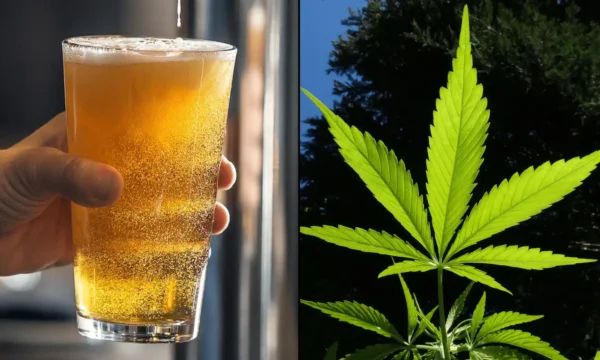
Upstate and down, Albany’s been busy greasing the wheels. Zoning hiccups—those tape-measure battles over distances from schools and places of worship—got a much-needed revision, with more than 150 retailers grandfathered back into compliance. Regulators also pushed the renewal deadline for conditional adult-use licenses out to December 31, 2026, a grace period for operators hunting viable addresses in a famously unforgiving real estate market. The state’s medical program expanded too: reciprocity for out-of-staters, simpler patient certifications, and medical home grow for adults 18 and over. The scoreboard tells its own story: more than $2.5 billion in retail sales since legalization; roughly $1.6 billion rang the registers last year alone as of November; storefronts nearly doubled from 261 in 2024 to 556 in 2025. Meanwhile, pragmatic little fixes keep stacking—grants to justice-involved operators, a maturing supply chain, fewer reasons for customers to slip back to the outlaw lane. And because beverages are the quiet insurgents of this market, keep an eye on the cross-pollination with booze: New York Liquor Stores Could Sell Low-THC Cannabis Beverages Under Newly Filed Bills—a reminder that channel strategy can be as potent as THC percentage when you’re chasing new consumers.
The national crosscurrent, and why NYC can’t ignore it
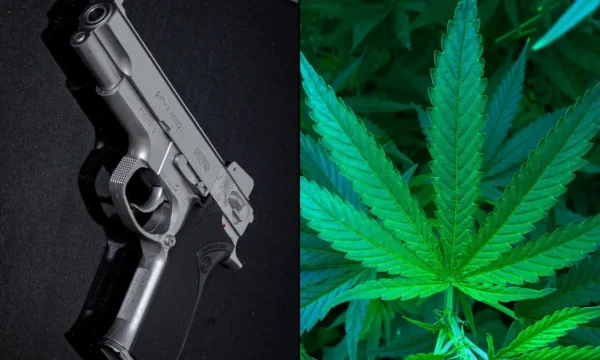
The cannabis map looks less like a neat atlas and more like a patchwork quilt with scorch marks. Federal, state, and local rules pull in different directions, and that friction bleeds into pricing, access, and ultimately tax receipts. Consider how DC still breathes down the industry’s neck: DOJ Tells Supreme Court That Federal Gun Ban For Marijuana Users Must Be Upheld—Even If Trump’s Rescheduling Order Is Finalized. Or how some states throttle the hemp lane while the THC lane gets paved: Missouri House Passes Bill To Ban Hemp THC Drinks, Gummies And Other Products. Then there’s the slow, steady drumbeat of voter-led change that keeps re-cutting the map: Marijuana Legalization Is On The Ballot In Texas During The Primary Election That’s Happening Now. Each of these currents tweaks investor nerves, supply lines, and consumer behavior. For New York, the lesson is simple and unsentimental: control the controllables—open above-board stores, keep prices honest, streamline oversight—and the revenue will follow. Nothing flashy. Just good mise en place and a steady hand on the flame. If you’re ready to taste what a well-sourced, compliant supply chain can do for your top shelf, pull up a stool and explore our menu here: https://thcaorder.com/shop/.