NRA Joins Marijuana Groups Urging Supreme Court To Overturn Ban On Gun Ownership By Cannabis Consumers As Unconstitutional
Guns, grass, and the American habit of arguing with ghosts
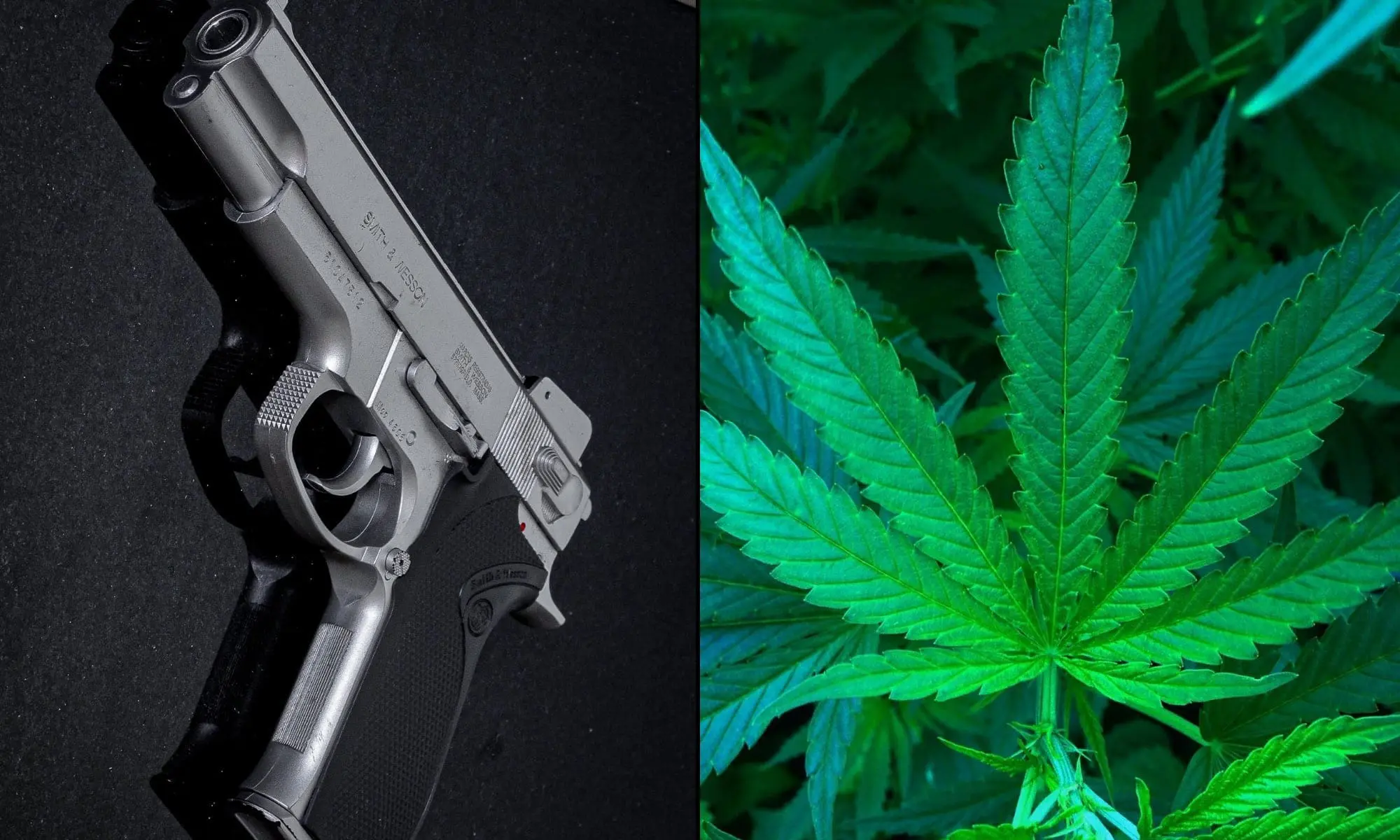
Marijuana gun ban is an ugly phrase, all elbows and courthouse echo, and it’s the question now rumbling up the marble steps: can the federal government keep cannabis consumers from owning a firearm under 18 U.S.C. § 922(g)(3)? In U.S. v. Hemani, the National Rifle Association—yes, that NRA—has linked arms with drug policy reformers in a rare, smoky détente, urging the Supreme Court to strike down the blanket prohibition. This isn’t some campus debate club prompt. It’s the messy collision of the Second Amendment and the state-by-state normalization of cannabis, where a weekend edible can turn a clean record into a felony if there’s a pistol in the nightstand. The gun case arrives with the scent of gun oil and hemp rope—a reminder that America’s founding story is full of contradictions. And if the justices stick to the history-and-tradition test they’ve demanded for gun restrictions, the government may have to show something our past never really offered: a tradition of disarming people for what they do sober, simply because they sometimes partake when they’re not.
The history test meets a modern market
Here’s the core argument from the strange-bedfellow coalition: throughout American history, lawmakers targeted conduct while intoxicated—brandishing, carrying, firing—rather than categorically disarming anyone who drank or used intoxicants at some point. The record shows temporary, situational limits, not permanent status bans. And cannabis isn’t the spooky outlier some want it to be. Hemp was once as ordinary as rope and sailcloth; cannabis tinctures lined apothecary shelves. No founding-era tradition stripped people of firearms for touching the plant. That history is now crashing into present-day reality, where medical programs and regulated markets have normalized use and undercut the idea that cannabis consumers are presumptively dangerous. Just look at the politics: voters keep moving reform forward, like recent momentum in the Commonwealth where a Majority Of Virginia Voters Back Legalizing Recreational Marijuana Sales As Lawmakers Advance Bills To Do It. The cultural center of gravity has shifted, and the Court is being asked to notice what everyone else already smells in the air.
Vagueness, power, and the peril of labels
Another front in Hemani is vagueness. What, exactly, is an “unlawful user” of a controlled substance, and how often must one use to get banished from the Second Amendment? The statute doesn’t say, which leaves prosecutors and forms and background-check whispers to fill in the blanks—a constitutional problem when criminal liability hangs on a foggy label. Regulators are trying to patch the hole: ATF has moved to update the “unlawful user” definition so fewer people are automatically flagged for a single lapse in the past year. But while agencies fiddle with definitions, 19 state attorneys general want the high court to keep the ban intact, arguing drugs equal danger. The data on cannabis and dangerousness is contested, and more federal courts are demanding individualized findings rather than assumptions. If the Second Amendment protects “the people,” it protects cannabis patients and weekend users too—unless there’s evidence they, specifically, pose a risk.
- Tenth Circuit: affirmed dismissal where the government couldn’t tie a cannabis user’s firearm possession to historical analogues of disarming the dangerous.
- Eleventh Circuit: opened a lane for medical cannabis patients seeking to exercise firearm rights, pushing back on categorical bans.
- Eighth Circuit: vacated a conviction and sent it back, signaling juries may need to assess actual dangerousness—not stereotypes.
- Third Circuit: told district courts to make individualized judgments before applying § 922(g)(3).
- ATF: proposed narrowing “unlawful user,” acknowledging that the one-size-fits-all approach sweeps too broadly.
Strange allies, shifting winds
When the NRA and drug policy reformers share a brief, you know the ground is moving. Add in civil libertarians, gun rights litigators, and a cannabis economy stretching from small-town dispensaries to multistate operators, and Hemani becomes a Rorschach of modern American policy—part safety debate, part culture war detente. Politics hums underneath. Washington is inching cannabis to Schedule III, a tacit admission that cannabis isn’t the Schedule I bogeyman of yesteryear. And 2026’s campaign rhetoric has a new flavor: some argue that personal stakes might shift federal priorities, as in the provocative notion that Giving Trump A Marijuana Business License Would Help Convince Him To Back Legalization, Democratic Senator Says. Whatever you think of that gambit, it captures where we are: a marketplace ahead of the rulebook, a public ahead of prosecutors, and a Constitution being asked to referee a fight that’s as much about identity as it is about law.
The stakes: tens of millions, one decision
Oral arguments are set for March 2, and the stakes stretch well beyond one defendant. In a country where cannabis use rivals alcohol, a broad reading of § 922(g)(3) risks turning ordinary people into felons without any evidence of impairment, misuse, or intent—just status. The alternative isn’t anarchy; it’s a return to the familiar American compromise: punish dangerous conduct, not identity. Meanwhile, states keep experimenting along the edges of prohibition’s skeleton. Hospitals in one deeply conservative state have been told, in limited cases, to meet reality where patients are, as lawmakers approved a humane carveout: Mississippi Lawmakers Approve Bill To Allow Medical Marijuana Use In Hospitals For Terminally Ill Patients. Others are testing the medical frontier beyond cannabis, with New England pragmatism on full display as New Hampshire Lawmakers Approve Bipartisan Bill To Legalize Psilocybin For Medical Use, While Rejecting Separate Psychedelics Measure. The Court can uphold a status ban born of fear, or it can demand proof tethered to history and hazardous conduct. Either way, the country will keep moving: voters pressing, regulators tweaking, litigators circling. If you want to follow this story with a clear head and a good smoke, finish your read and wander our way here: https://thcaorder.com/shop/.