New Utah Bill Would Decriminalize Marijuana, Removing The Threat Of Jail Time For Low-Level Possession
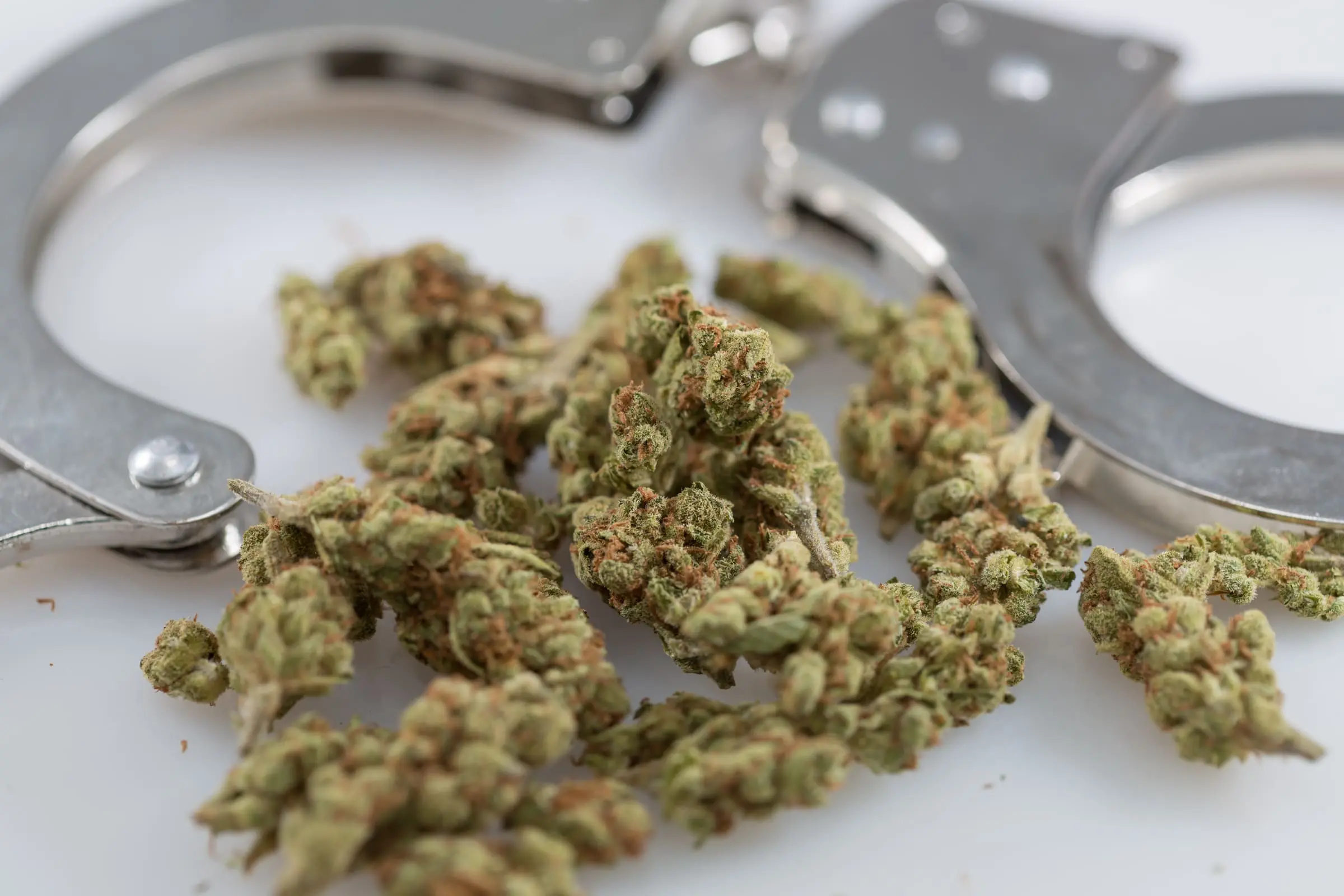
Utah marijuana decriminalization just got a name, a number, and a shot of adrenaline. HB 253, filed for the 2026 session by Rep. Grant Amjad Miller, would turn first-time possession of small amounts—up to 14 grams—into a civil infraction. No cuffs. No cold bunk. Just a ticket that can climb to $750 and the distinct relief of sleeping in your own bed. That’s not nothing in a state where, right now, the law still treats a joint like a jail key—Utah remains one of 19 states where simple possession can end behind bars, with up to six months for as little as an ounce. If lawmakers get this over the line, the change would kick in on May 6, a quiet date that could spill a lot less ink in court logs. The text is public—read HB 253 yourself. Advocates at MPP have been blunt about it: minor cannabis possession shouldn’t leave a life-sized crater; they laid out the case in a recent note here. This is cannabis policy reform, Utah-style—measured, cautious, but finally pointed in the right direction.
What HB 253 actually does
- First-time possession of up to 14 grams: a civil infraction, no jail, maximum $750 fine.
- Subsequent possession offenses: misdemeanors remain on the table.
- Effective date: May 6, if enacted.
- Current law baseline: possession of up to an ounce can still mean up to six months in jail.
- Context: Utah is among 19 states where simple possession can trigger incarceration.
Decriminalization isn’t legalization. You won’t see new storefronts or a tax stream gushing on day one. No automatic expungement wave, either. But it changes the daily math of marijuana possession penalties. Fewer arrests over pocket-sized amounts. Fewer students losing scholarships. Fewer parents explaining a mugshot to their kids. Fewer judges spending mornings on half-gram cases while genuine threats wait in the hallway. It’s a pragmatic trim to an overgrown statute—aligning Utah cannabis laws with lived reality, where the culture shifted years ago and the paperwork is just catching up.
Culture, politics, and the Utah paradox
Utah’s relationship with cannabis is a tidy paradox. The state legalized medical cannabis in 2018, and by last year more than 100,000 patients were on the rolls. Lawmakers keep sanding the rough edges of the program. In 2024, the legislature even authorized a hospital pilot for psilocybin and MDMA as alternative treatments, and the governor let it take effect without his signature. Meanwhile, polls say most Utahns back adult-use legalization, but top GOP leaders insist they’re not interested. Miller captured the mood in a video, saying, “When it comes to cannabis, Utah’s laws are half baked.” You can watch his clip here if you like your politics with a side of candor. That tug-of-war—public sentiment vs. party discipline—makes HB 253 a litmus test. And Utah’s not debating in a vacuum: states are plumbing the edges of psychedelic medicine with task forces and timetables, a trend captured in Maryland Lawmakers File Bills To Extend Psychedelics Task Force To Recommend More Reforms Through 2027, hinting at a broader shift from fear to frameworks.
Money, markets, and the quiet math of decriminalization
Let’s talk money—the thing reform opponents either overestimate or ignore. Decriminalization won’t mint legal cannabis revenue. It won’t light up tax dashboards or unleash a regulated market. But it can save cash in less glamorous ways: fewer jail bookings, slimmer caseloads, fewer public defenders triaging leaf-sized offenses. Those savings aren’t sexy, but they stack. And if Utah ever walks from decriminalization to a regulated market, it’ll face a different set of headaches. Even with revenue on the table, governments can fumble it—see how West Virginia Officials Still Haven’t Spent Medical Marijuana Revenue Amid Federal Concerns. Meanwhile, the culture is sprinting ahead of the law. Arena concessions and concert sponsors are already flirting with this new normal, as seen when the Largest Entertainment Arena In US Partners With Cannabis Businesses To Sell THC Drinks At Concerts And Live Events. The market finds a way. The question is whether Utah wants to keep punishing the small stuff while the rest of the country experiments with cannabis taxation and more nuanced marijuana policy reform.
What to watch next
HB 253 is a vibe check on the legislature as much as it is a legal tweak. Watch committee assignments. Watch whether law enforcement brass decides an infraction model is a better use of patrol hours. Watch if prosecutors who’ve been quietly diverting cases step out and say so on the record. Remember, this isn’t a green light for dispensaries. It’s a redirection of priorities, a chance to stop grinding people up over grams while the larger legalization debate keeps simmering. And as the national map evolves, the conversation is bleeding into hospitality, tourism, and everyday life—things like whether short-term rental hosts can get creative with welcome gifts, the kind of idea floating around in Washington’s proposal where Airbnb Guests Could Get A Free Marijuana Preroll At Short-Term Rentals In Washington Under New Bill. However Utah’s story unfolds, the smart move is staying informed, staying nimble—and, when you’re ready to explore compliant, high-THCA options while the laws evolve, visit our shop.