


New Mexico Governor Signs Budget Bill With Funds To Provide Psychedelic Therapy Access For Low-Income People
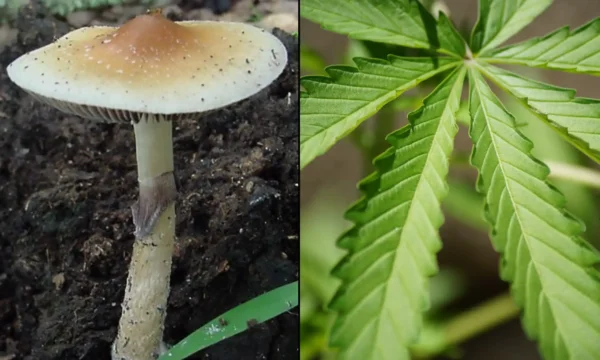
New Mexico psilocybin therapy funding just got real. In a state where the desert keeps its secrets and the jukebox is always a little too loud, lawmakers carved nearly $800,000 out of the budget to make psychedelic therapy more than a headline. The governor signed off, authorizing $150,000 for a medical psilocybin treatment equity fund, $480,000 for a broader psychedelic access equity fund, and another $150,000 to the University of New Mexico for psilocybin-assisted therapy research. They even stretched the runway on a separate $1 million appropriation to the Department of Health through the end of fiscal year 2027—time enough to build a program that doesn’t wobble at the first gust of political wind. Call it what it is: a pragmatic bet that regulated psychedelic therapy can relieve real pain, and that low-income patients shouldn’t be stuck on the outside, faces pressed to the glass, while others walk in.
The bones of the program are intentionally sober. No glossy hype, no magic-bullet promises—just a regulated system aimed at treating stubborn, human-scale misery: major treatment-resistant depression. PTSD. Substance use disorders. The end-of-life dread that steals sleep and appetite. Under the law’s design, sessions roll in threes—preparation, administration, integration—stacked like courses in a tasting menu you don’t rush. Synthetic psilocybin is off the table; this is about the mushroom itself, not clever chemistry. And the scaffolding is public, not hidden in a maze of consultants: the Department of Health will train clinicians and producers, set dosage guidance, approve clinical settings, and enforce production and storage standards. The blueprint lives in the state record, hammered into the text of the budget bill, a stark reminder that policy, when it’s done right, is just careful storytelling with numbers and guardrails.
Someone also remembered to put adults in the room. A nine-member advisory board has been convened to weigh the evidence, recommend new qualifying conditions, and refine the rules—dosage, preparation, and safety protocols—like seasoned line cooks who’ve survived too many dinner rushes to fall for shortcuts. The Health Department will license cultivators who can grow and process psilocybin. Clinicians will need training that goes beyond wellness buzzwords and into the messy realities of trauma and addiction. And state officials have been clear about velocity. With the appropriation clock extended and planning underway, New Mexico isn’t just flirting with psilocybin therapy. It’s setting the table—and hinting the first plates could be served sooner than expected. There’s a humility to that mix of ambition and caution. No celebrity shamans. No velvet ropes. Just a plan to open the door without blowing it off the hinges.
Zoom out and you see the jagged American patchwork that makes reforms like this both brave and brittle. Federal workplace rules still haven’t caught up to the plant revolution; the policy beat keeps reminding us that With Marijuana Rescheduling Still Pending, Federal Workplace Drug Testing Rules Aren’t Changing, Health Agency Says. In other corners, the culture war bleeds into commerce: in Texas, advocates warn that Texas Could See A Spike In Raids On Hemp Businesses Under New Rules, Industry Advocates Fear, a reminder that enforcement can turn on a dime—and a budget line. Yet the market keeps marching. Virginia’s lawmakers have pushed forward, and Virginia Lawmakers Pass Bill To Legalize Recreational Marijuana Sales, Sending It To Governor’s Desk, signaling appetite, if not certainty. In the Southwest, New Mexico’s psilocybin move reads less like rebellion and more like a confession: the old tools aren’t enough. People are hurting. If there’s a regulated route to relief, why not fund it, measure it, and make sure those without deep pockets don’t get left behind?
Equity is the soul of this thing. Those access funds aren’t window dressing—they’re the difference between a therapy model that becomes another boutique wellness indulgence and one that lives where the need is loudest. Low-income patients don’t have the luxury of experimental detours; they have bills, kids, and shift work. The University of New Mexico’s research program should be the ballast, turning anecdotes into outcomes and outcomes into policy that doesn’t tremble with each news cycle. Meanwhile, the cannabis beat offers a cautionary tale wrapped in progress. Markets arrive by inches and then all at once—ask Alabama, where Alabama Medical Marijuana Sales Near Launch After Years Of Delay. And yet, for every timeline that finally breathes, there’s a courtroom door slamming on someone else’s plans. That’s why New Mexico’s move is more than a budget note; it’s a wager that tight rules, visible data, and a little empathy can do more good than another year of waiting. If you’re curious to explore what the evolving landscape means for your own ritual of relief, take a look at our offerings here: https://thcaorder.com/shop/.