

New Hampshire Senators Debate Bill To Legalize Marijuana, With Sponsor Saying Trump’s Rescheduling Move Means State Must Act
New Hampshire marijuana legalization bill SB485 walks into Concord like a late-night regular who’s tired of being told last call came an hour ago. The Granite State is the lone New England holdout, and everyone knows it. Adults 21 and up would be able to carry up to four ounces of flower, 20 grams of concentrate, and other products totaling no more than 2,000 milligrams of THC—a simple, adult-use framework that says, in effect, trust people to make their own choices. It’s not radical policy; it’s catching up to the neighbors. And with cross-border commerce already a weekend ritual for many, the debate now is whether New Hampshire wants to keep pretending prohibition is working, or step into a regulated market with real guardrails, real consumer protections, and real legal cannabis revenue.
Cannabis taxation, without the moral hangover
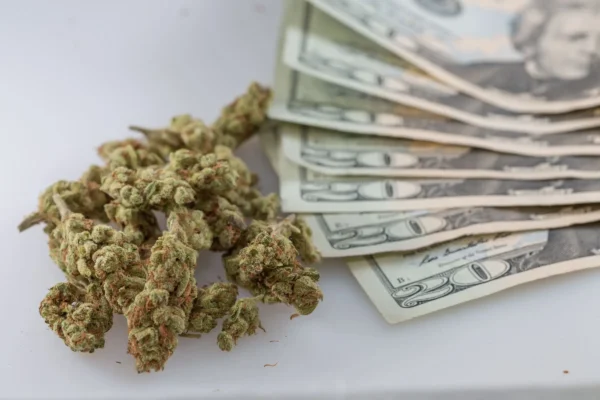
SB485 sets a clear table. The Liquor and Cannabis Commission takes on licensing and oversight, keeping the state’s regulatory machinery familiar and accountable. Cannabis sales would be taxed at 12.5 percent. That’s not a gouge; it’s a policy lever. The money is earmarked for practical, unsexy necessities—pension obligations, public safety, substance misuse programs, and children’s behavioral health. The Marijuana Policy Project estimates the mature market could net between $27 million and $56 million per year. That’s plowable snow money in New Hampshire terms—fill potholes, fund counselors, keep the lights on. This is what cannabis taxation looks like when you talk about outcomes, not reefer madness.
- Possession limits: up to 4 oz flower, 20 g concentrates, and 2,000 mg THC in other products
- Tax rate: 12.5% on cannabis sales
- Regulator: a renamed Liquor and Cannabis Commission
- Revenue uses: retirement system liabilities, public safety, substance misuse treatment, children’s behavioral health
- Projected annual revenue: $27–56 million once the market matures
Politics, pressure, and the long shadow of D.C.
The pitch in committee sounded like common sense, wrapped in a state slogan—Live Free or Die—with a nod to political reality. Sponsor Sen. Donovan Fenton framed it plainly: every neighbor already legalized; Granite Staters are acting accordingly. Overlay that with the federal backdrop: a presidential rescheduling directive pushing cannabis from Schedule I to Schedule III under the Controlled Substances Act—an overdue acknowledgement that this plant isn’t heroin. Still, the road isn’t smooth. Gov. Kelly Ayotte has warned she’ll veto any legalization bill crossing her desk. That forces lawmakers to do the math, count votes, and consider the broader package moving through the State House, including allowing medical operators to convert from nonprofit to for-profit and clarifying greenhouse grows and hemp-derived product rules. The question isn’t whether cannabis exists in New Hampshire; it’s whether the state will finally choose to manage it like adults.
Patients, hemp, and the jagged edges of policy
Beyond adult-use headlines, the medical and hemp details will decide who benefits and who gets left behind. Medical dispensaries in New Hampshire operate as nonprofits—a structure that doesn’t line up with federal tax reality—so converting to for-profit status could ease pressure that’s been driving up operating costs and, inevitably, patient prices. Lawmakers are also weighing tighter rules on hemp-derived intoxicants, a response to a national whipsaw that’s seen Congress move toward re-criminalizing many consumable hemp products. It’s not just New Hampshire; this debate is ricocheting across the map. In one direction, the Pacific Northwest inches forward on compassion with hospital access for the seriously ill, as noted in Washington Bill To Let Seriously Ill Patients Use Medical Cannabis In Hospitals Advances. In another, the Upper Plains flirt with prohibitionist creep, as seen in South Dakota Senate Panel Advances Bills To Ban Intoxicating Hemp And Kratom—But Without Recommendations For Passage. New Hampshire’s choices will be read through that messy national lens: patient access versus public health, innovation versus opportunism, regulation versus the wild west.
The market, the mood, and the people in the middle
Legalization is never just about law; it’s culture, commerce, and the awkward dance between them. When states under-regulate, confusion and backlash fill the vacuum. When they over-regulate, consumers drift to the illicit market where products are cheaper, testing is optional, and nobody checks IDs. Public opinion can pivot on a dime—just ask voters who felt burned by signature gatherers, a cautionary tale captured in Nearly Half Of Massachusetts Voters Who Signed Anti-Marijuana Initiative Petitions Feel Misled By Campaign Workers, Poll Finds. Culture, too, has a way of crashing the party with a wink and a lighter, as in the barroom fable of two Hollywood legends and one indomitable mom in Woody Harrelson Got Kicked Out Of Two Bars For Smoking Marijuana With Matthew McConaughey’s Mom. In New Hampshire, the stakes are humbler and more immediate: pharmacies and farmers, small-town cops and cash-strapped councils, patients who need consistency and adults who want to buy a Friday night edible without crossing a border. If the state gets the balance right—clear rules, fair taxes, transparent enforcement—SB485 could turn a shadow market into a serviceable, accountable industry. If it fumbles, the status quo persists: money driving south and east, and policy pretending not to notice. Ready to explore compliant, lab-tested options while the policy dust settles? Visit our shop and start your next step with confidence.