

New Farm Bill Released By GOP Committee Chair Aims To Reduce Hemp Industry ‘Regulatory Burdens’
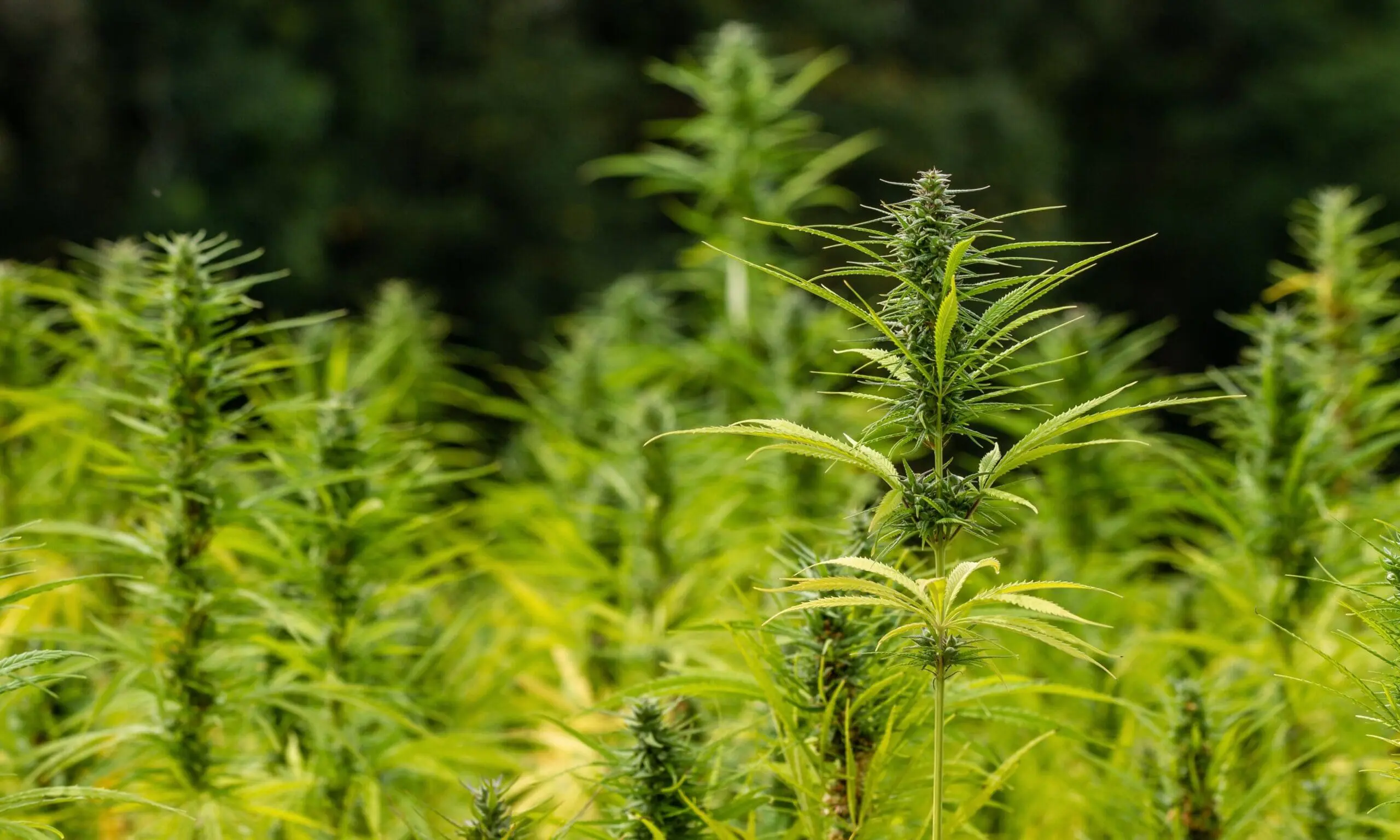
2026 Farm Bill hemp provisions, served hot and a little greasy, promise to cut hemp industry regulatory burdens—and maybe keep a few family farms from folding like diner napkins at last call. House Agriculture Committee Chairman Glenn Thompson has rolled out a sweeping package that would keep the industrial hemp program alive while giving the U.S. Department of Agriculture, states, and tribes room to ease off the chokehold: fewer tests, fewer background checks, more common sense for growers focused on fiber and grain. That’s the pitch. It lands in a market where the cannabis industry impact is already a bar brawl—one room cheering industrial hemp’s revival, the other staring down a looming federal crackdown on consumable cannabinoid products that could rewrite the legal hemp definition and kneecap a fragile supply chain.
The bill leans on ideas from the Industrial Hemp Act and adds a fresh mandate: USDA must build a real accreditation pathway for hemp-testing labs. Today, you’re stuck in the DEA-only bottleneck—farmers pacing warehouse floors while paperwork ages like bad milk. Opening accreditation could unclog that line, but it also demands tighter, smarter sampling so you don’t invite gamesmanship. States like Colorado have already been grinding through the sampling-and-fraud question, a reminder that lab rules aren’t just ink on paper—they’re market shapers. For a window into those stakes, see Colorado Officials Weigh Changes To How Marijuana Is Sampled For Testing To Help Avoid Fraud. Thompson’s panel is slated to start chewing on the details later this month. The farmers I’ve met don’t crave speeches; they want predictable rules and a fair clock. This bill hints at both—if Congress doesn’t sandbag it with politics first.
Politics, of course, is the house special. Democrats have already panned the draft as not meeting the moment. And hanging over everything is a colder truth the bill doesn’t fix: a separate spending law signed last year that would recriminalize most consumable cannabinoid products this November. The new standard counts total THC—not just delta-9 on a dry weight basis, but delta-8 and other isomers, plus anything with similar effects. Add a hard per-container cap—0.4 mg of total THC or similar—and toss in bans on intermediate products marketed to consumers and on synthesized cannabinoids. That’s not a haircut; that’s a buzzcut for entire product categories: CBD sodas, hemp seltzers, gummies—poof. Meanwhile, states are still wrestling with their own hemp-THC guardrails; just look at the legislative trench warfare in the heartland captured in Missouri Bill To Restrict Hemp THC Products Stalls Amid Senate Filibuster. Patchwork rules, shifting definitions, and shelves caught in the crossfire—this is the American experiment in real time.
There is a fork in the road. One lane is prohibition-by-precision—rewrite the chemistry, shut the door. The other is regulated adulthood. The HEMP Act would steer toward the latter, allowing sales to people 21 and up with real packaging rules (no kid-bait), tamper-proof seals, clear cannabinoid listings, and QR codes that actually link to a certificate of analysis. No chemical party-crashers either: alcohol, caffeine, nicotine, melatonin—off the invite list. Manufacturers would need to register facilities, meet testing standards, and live under a total cannabinoid cap set by federal health officials on a brisk timeline. At the same time, another proposal would buy two years before the federal ban takes effect—time to engineer a fair regulatory gearbox instead of smashing the engine block. Farmers from tobacco country to the plains are saying the same thing: don’t salt the fields we just planted. The consumer signal isn’t subtle either; demand exists, and legal cannabis revenue continues to be a bellwether in mature markets, even as competition reshapes the curve, as explored in Colorado Marijuana Revenue Is Declining As Other States Legalize, But It Still Outpaces Alcohol Taxes, Report Shows. You can’t regulate what you refuse to understand.
Zoom out and you see the country holding itself together with policy duct tape and late-night compromises. New York just had to pass emergency fixes to keep hundreds of dispensaries from going dark—regulatory triage that reads like a dispatch from a battlefield medic. That’s how brittle our cannabis and hemp architecture has become, and why precision matters now. The 2026 Farm Bill can make industrial hemp simpler without strangling innovation, and Congress can craft adult-use rules for consumable hemp products that prize safety, transparency, and honest commerce over nostalgia and fear. If you need a case study in quick repairs under pressure, start with New York Governor Signs Bills To Fix Marijuana Business Zoning Issue That Threatened Closure Of Over 150 Dispensaries. Until the lawmakers finish their stew, the rest of us still have to eat—so if you’re exploring compliant options in today’s hemp landscape, consider a visit to our shop.