



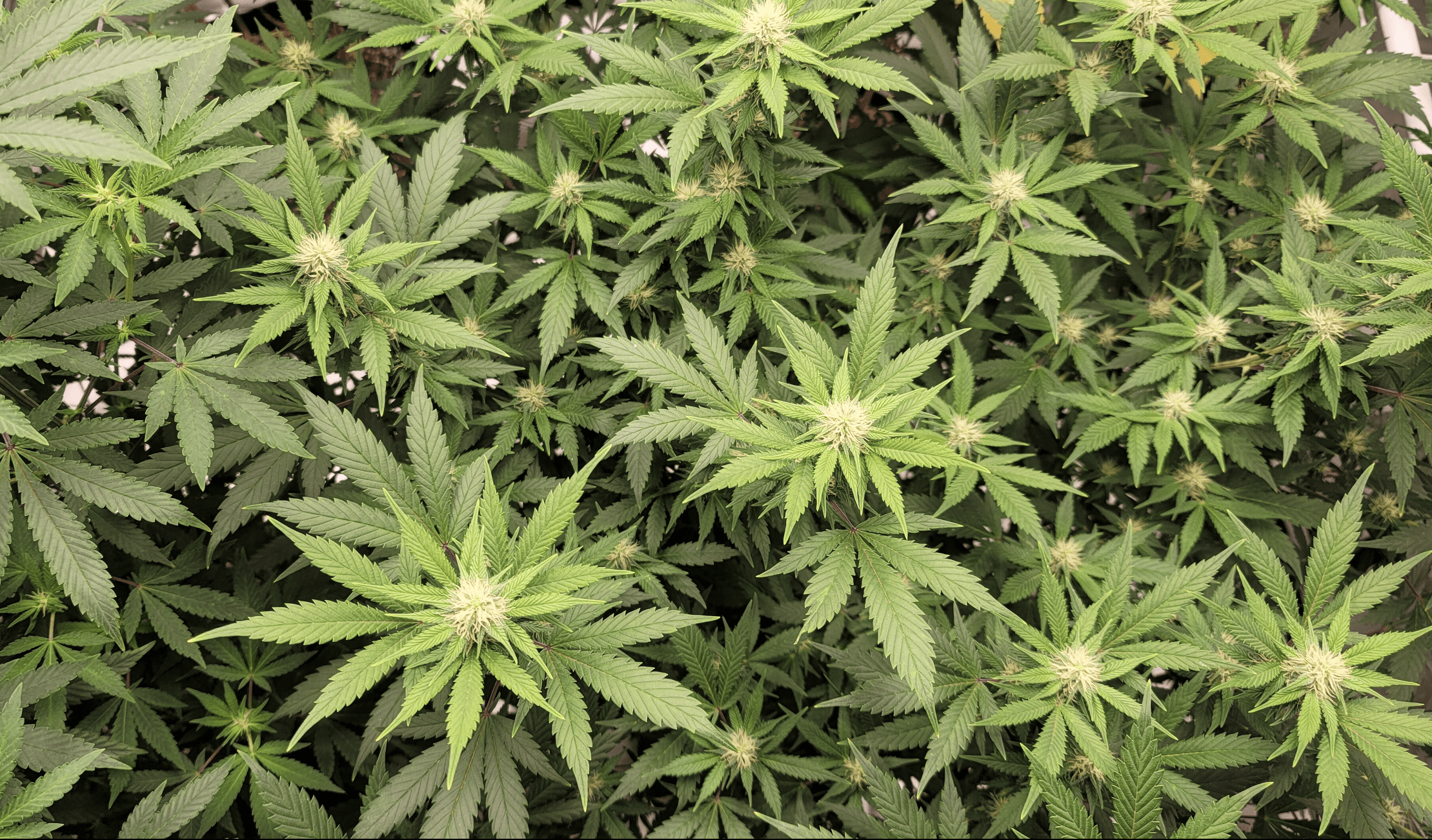
New Democratic Congressional Marijuana Resolution Calls For Industry Equity And Pushes Trump To Advocate For International Reform At UN
Congressional marijuana resolution with teeth and a passport—that’s the vibe. A fresh RESPECT Resolution from Reps. Troy Carter, Ilhan Omar, Lateefah Simon, and Dina Titus doesn’t just whisper about cannabis industry equity; it demands it, and then nudges the United States to take that swagger on the road to the United Nations. The ask is blunt: push global cannabis reform, press international bodies to deschedule cannabis, and treat the plant like a legal commodity instead of a scarlet letter. This is marijuana policy reform meant for the main stage, not the church basement. It’s also a gut-check for an industry that’s ballooned into a multi-billion-dollar marketplace while the casualties of the drug war—mostly Black, Brown, and poor—still carry records instead of equity.
Here’s the spine of the thing: states and cities are urged to adopt real-world best practices. Not polite white papers—policies that actually reset the board. Decriminalize use and possession. Build automatic expungement and clean record pipelines that don’t require a lawyer or divine intervention. Resentence people where penalties have been dialed back. Stop yanking housing or public benefits because of a cannabis conviction. Kill suspicionless drug testing for non–safety sensitive jobs. Add labor standards so the industry doesn’t become a green rush with sweatshop ethics. Prepare—proactively—for interstate cannabis commerce, because the walls are already trembling. Then talk to the public like adults: consumer education, youth access prevention, honest warnings about impaired driving. Meanwhile, the ledger tells its own story: since Colorado and Washington opened the gates over a decade ago, states have collectively pulled in nearly $25 billion in legal cannabis revenue, and overseas, countries like Germany have started shaking off prohibition like a bad hangover.
Equity isn’t a press release; it’s a reckoning. Omar points to the obvious: the drug war bulldozed certain neighborhoods and laminated the ruins with criminal records. Carter says prohibition failed, and the bill reads like a blueprint to repair what the law once broke—an on-ramp for people historically locked out of the legal cannabis market to actually own a piece of it. Simon’s pitch is unapologetic: close the gaps, invest in the communities targeted for decades, and stop treating cannabis like a schedule of sins. Titus wants the policy to catch up with reality: unshackle cannabis from outdated scheduling, end the cycle of unjust enforcement, and start measuring success by reduced harm, not increased arrests. Endorsements from the Drug Policy Alliance, Last Prisoner Project, MCBA, and NORML sharpen the point: equity isn’t an add-on—it’s the test of whether legalization is reform or just gentrification with extra steps.
Zoom out and you see a broader realignment, the kind that makes K Street nervous and Main Street curious. Psychedelics policy is crashing the party, too—bipartisan lawmakers have floated a measure so physicians can legally administer certain Schedule I therapies to the most seriously ill, a pivot sketched out here: Doctors Could Legally Administer Schedule I Drugs Like MDMA And Psilocybin To Seriously Ill Patients Under New Bipartisan Bill In Congress. But the gears still grind where it counts: capital. Banking access for the cannabis sector remains a maze, as this pressure campaign makes plain: GOP Congressman Presses Federal Financial Officials On Marijuana Industry’s Banking Access Problems. Science, meanwhile, is lapping politics; we’re drowning in data while policy treads water—see the surge of peer-reviewed work and the will-they-won’t-they dance over rescheduling: Researchers Published More Than 4,000 Studies On Marijuana This Year As Trump Continues To Weigh Rescheduling. And states aren’t waiting on Washington: lawmakers from the heartland to the coasts keep filing, refining, and rewiring, like this snapshot from the Show-Me State: Missouri Lawmakers Pre-File Multiple Marijuana And Psychedelics Bills For 2026 Session.
Back to the UN, back to the point: if the United States uses its voice and vote to push international descheduling, it won’t just tidy the paperwork. It would lower friction for trade, amp up research, harmonize safety standards, and make it easier for entrepreneurs—especially the ones the drug war sidelined—to build durable businesses. That’s the real cannabis industry impact hiding in the fine print: fewer legal contradictions, more predictable rules, better labor practices, and a market that feels less like a casino and more like an actual economy. The RESPECT Resolution won’t solve it all; resolutions don’t pave roads. But it stakes out a route that runs through expungement offices, community lenders, union halls, and, yes, a few marble corridors in Vienna. If you care where this goes next—policy, culture, commerce—keep your eyes on the equity metrics and your hands steady on the wheel; and if you’re ready to explore the legal hemp side of the spectrum today, browse our latest selections here: https://thcaorder.com/shop/.