
Nebraska Medical Marijuana Advocates Press Ahead After Campaign Notary Convicted For Misconduct
Nebraska medical marijuana legalization just hit a pothole with a courtroom glare, and the tires are still spinning. In a six-person Hall County courtroom, a volunteer notary—Jacy C. Todd—was convicted on 24 misdemeanor counts tied to the petition drive that put medical cannabis on the 2024 ballot. It’s the kind of procedural scandal that smells like stale coffee and panic, a bureaucratic hangover threatening to cloud what voters already decided. Yet the campaign behind the law isn’t flinching. They’re clinging to something sturdier than a headline: hard numbers, court orders, and the simple, unfussy reality that Nebraskans voted to legalize and regulate medical cannabis—and those laws took effect December 12, 2024. You can argue philosophy till last call, but the vote tally doesn’t care how you feel about it.
The paper trail, the math, and the presumption
Here’s where the sausage gets made—the meticulous, joyless grind of election law. A Lancaster County judge issued a 57-page ruling upholding the ballot placement after a four-day trial stacked with witnesses and experts. That civil order recognized errors and sloppiness, sure, but it didn’t find enough rot to pull the measures off the shelf. The state’s top legal brass called the campaign a “systematic scheme,” but in courtrooms, rhetoric is just steam; the math is the map. And the map points in one direction: onto the ballot, and across the finish line in November. Consider the ledger:
- Signatures required per measure: 86,499 valid.
- Certified valid signatures: 89,962 (legalization) and 89,856 (regulation).
- More than 4,000 signatures notarized by Todd kept their presumption of validity.
- Over 1,000 validated signatures collected by circulator Michael Egbert lost that presumption.
- Egbert admitted forging some names using a phone book and pled guilty to attempting to falsify his circulator oath.
- Even if all of Todd’s notarized signatures lost presumption, the ballot threshold would still be met.
- To invalidate a measure, roughly 3,500 signatures would need to lose presumption—an Everest compared to the state’s molehills.
Verdict versus validity
The criminal case is another animal, all teeth and immediacy. Todd was found guilty of 23 counts of official misconduct tied to 23 days of improper notarizations involving Egbert, plus a count for lying in an October 2024 deposition. Sentencing lands April 22 at 9 a.m. The Nebraska attorney general framed it as proof of a campaign “built on fraud and malfeasance.” The campaign rejected that storyline, conceding mistakes but denying anything like a grand design. The civil judge, for her part, weighed credibility and concluded Egbert’s story had bigger holes than Todd’s—enough to strip some signatures of their easy presumption, not enough to nuke the measures. Now it’s all teed up before the Nebraska Supreme Court, which heard arguments December 3. This is the final course: a tasting menu of affidavits, audits, and affidavits about affidavits. The high court will either bless the civil math or serve up a remand. Meanwhile, the voters’ will sits there on the plate, cooling by the minute. As one organizer put it in the stark plainspoken way Nebraskans do: voters went forward and voted—so it’s time to move forward, too.
Beyond Nebraska: a shifting map
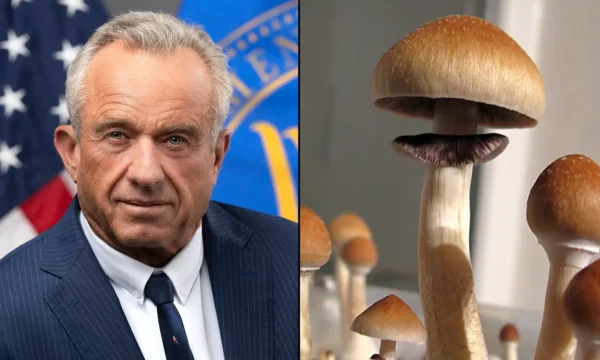
Out on the regional map, cannabis policy is evolving like a bar menu after midnight—familiar, but braver. Indiana’s flirtation with prohibition-lite fizzled, as lawmakers declined to slam the door on hemp cannabinoids this session; the upshot, neatly captured in Indiana Won’t Ban Hemp THC Products This Year After Last-Minute Legislative Push Fails, is that markets—and voters—don’t love whiplash. In Virginia, the chessboard keeps shifting toward a regulated marketplace, with both chambers backing retail rules, a signal that prohibition is now the outlier rather than the rule—see Virginia Lawmakers Approve Marijuana Sales Legalization Bills As Reform Nears Finish Line In Both Chambers. Hospitals—those bastions of policy caution—are getting pragmatic, too; momentum is growing to let patients use their medicine where they actually need it, as charted in Bills To Let Patients Use Medical Marijuana In Hospitals Are Advancing In States Across The U.S.. And while it’s a different molecule and a different fight, the cultural aperture is widening: talk of federally greenlighting psychedelic therapy sooner rather than later—captured in Trump Administration ‘Very Anxious’ To Allow Psychedelic Therapy ‘As Quickly As Possible,’ RFK Tells Joe Rogan—shows the old drug-war hymnal is losing its chorus. The Midwest isn’t immune to these tides; it’s becoming their proving ground.
What comes next
Back in Nebraska, the Supreme Court’s decision will decide whether messy process can override clean outcomes, or whether the system can hold two truths at once: that some people cut corners, and that the public still got to speak. If the court affirms the lower ruling, expect the state to focus on implementation—rules, registries, compliance, and an administrative grind that will feel like watching paint dry unless you’re a patient who’s been waiting years. If the court bucks the trend, prepare for another round of petition drives and a sharp lesson in how “validity” can be a moving target, even after Election Day. Either way, the signal is clear across the country: cannabis regulation is a question of when and how, not if. And that’s why these granular fights over notarizations and affidavits matter—they’re the plumbing of democracy, the unglamorous pipes that make the taps run. When you’re ready to explore what a compliant, federally lawful THCA path looks like in your own life, take a quiet minute and visit our shop: https://thcaorder.com/shop/.