

Nebraska Congressional Candidates Vow To Fight For Medical Marijuana Access And Protect State Law From Federal Intervention
Nebraska medical marijuana access isn’t a polite policy debate anymore—it’s a barroom brawl over medicine, power, and who gets to call the shots. With November looming, two candidates—State Sen. John Cavanaugh and independent Senate hopeful Dan Osborn—stepped into the light during a webinar hosted by Americans for Safe Access and Nebraskans for Medical Marijuana, pledging to side with patients and take on the federal fog machine that keeps this state in limbo. Here’s the rub: Nebraska is bizarrely excluded from the federal non-interference rider that shields most medical cannabis states. That means patients here can still feel the hot breath of federal risk, even after voters spoke loudly and clearly. In a year when “states’ rights” and “cannabis policy reform” are tattooed across every stump speech, the question is simple and brutal—who actually stands between patients and their medicine?
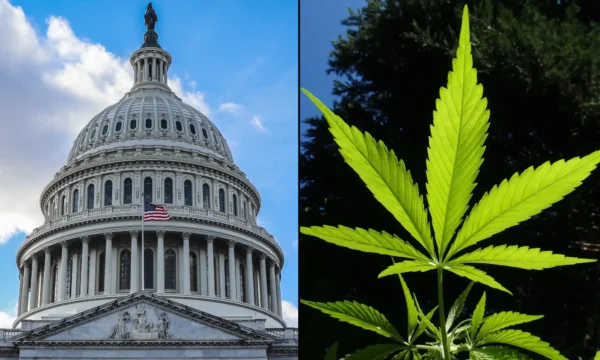
Steph Sherer of Americans for Safe Access says the next Congress will decide whether medical cannabis gets fully integrated into American healthcare or left out in the cold. That’s the backdrop for The Compassionate Candidate Campaign and its Compassionate Pledge—a commitment to cosponsor legislation that builds a national medical cannabis program under HHS. Cavanaugh and Osborn signed on early, a signal to patients who are sick of euphemisms and delays. It’s medicine or it isn’t—treat it like the former, regulate it, research it, and protect the people who use it under a doctor’s care. And if you think Washington’s budget theater won’t ricochet off exam rooms and kitchen tables, take a hard look at Federal Budget Leaves Medical Cannabis Patients More Uncertain Than Ever (Op-Ed). Appropriations riders, funding gaps, and bureaucratic shrugs aren’t abstractions—they’re the reason some patients spend nights counting ceiling cracks instead of getting relief.
Cavanaugh didn’t mince words. Nebraskans said patients deserve safe, legal access—and Congress needs to catch up. He’s watched state leaders pay lip service while the ground rules stay crooked, and he blames part of that mess on a congressional delegation that helped keep Nebraska off the non-interference list. The result? Families caring for children with severe epilepsy and adults managing chronic pain are told to wait, again. He wants federal legislation that shuts the door on political games, aligns law with science, and finally respects the will of voters. But even as momentum builds, Washington’s timeline can look like a slow conveyor belt moving backward. If you want a taste of that glacial drift, see Justice Department ‘Should Take About 20 Years’ To Reschedule Marijuana, GOP Congressman Says. Patients don’t have twenty years. They barely have twenty more unanswered phone calls.
Osborn’s pitch is simpler, rougher around the edges, and rooted in the shop floor. Personal freedom. Accountability. Respect for the 71 percent of Nebraskans who already voted for access. He’s seen veterans with PTSD white-knuckling through nights, workers managing constant pain, and too many people handed opiates when they needed options. He wants protections so patients can follow a doctor’s advice without risking their jobs, housing, or federal benefits. He wants real research and a national framework that treats cannabis as medicine—because politics shouldn’t rule the lab coat. And if Nebraska’s parallel drama over intoxicating hemp products and delta-8 THC tells us anything, it’s that regulation beats whack-a-mole crackdowns. For context beyond the shouting, read Congress Should Delay The Federal Hemp Ban And Instead Enact Regulations For THC And CBD Products (Op-Ed). And while we’re gaming out the future, taxation will matter as much as statutes—set levies too high and you punish patients, fuel the gray market, and miss the point. See the cautionary logic in Pennsylvania Must Not Over-Tax Marijuana If Legalization Is Going To Work Well (Op-Ed).
Meanwhile, Nebraska’s on-the-ground picture looks like a half-built bridge: the state awarded its first cultivation license, but patients still can’t buy medicine; leadership churns at the Medical Cannabis Commission; and the temperature keeps rising after tribal sovereignty clashes and an aggressive posture toward hemp-derived products. Activists are already plotting a 2026 initiative to establish a constitutional right to use cannabis for adults, a sign that voters are done waiting for permission from politicians who never felt the pain they’re regulating. Call it the pivot point. Either Congress finally plants a national medical cannabis program under HHS—complete with safety standards, research funding, and ironclad non-interference—or Nebraskans keep living in the space between policy and reality. If you’re ready to chart your own compliant path while the gears grind on, explore our curated options here: https://thcaorder.com/shop/.