


Missouri Lawmakers Pre-File Multiple Marijuana And Psychedelics Bills For 2026 Session
Missouri’s Next Round: Cannabis, Psilocybin, And The Politics Of Parity
Missouri marijuana bills 2026 are back on the burner, spitting oil and politics. Lawmakers on both sides of the aisle have quietly stacked the docket with measures that cut to the bone of cannabis policy and psychedelics access. Early release for people still locked up on marijuana charges. Tighter rules on public consumption. A constitutional nudge about advertising. And a new bid to put psilocybin-assisted therapy on the table for those who can prove it matters—veterans, patients, the folks for whom “wait and see” has already cost too much. If you’re tracking the Missouri cannabis market, this is the session where cannabis taxation, marijuana policy reform, and the uneasy marriage of hemp and marijuana try to share a kitchen without setting off the alarms.
Early Release, Campus Rights, And The Public-Space Minefield
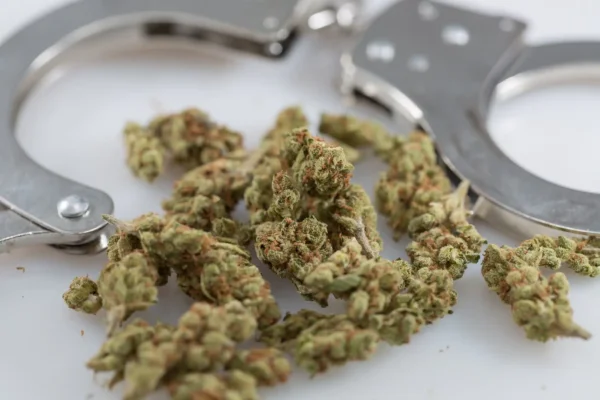
Start with the human piece. One bill aims to grant early release for certain cannabis-related convictions—an overdue housekeeping task in a state that embraced adult-use in 2022 but left old cases gathering dust. Licensing reforms are also on the table, a reminder that who gets to sell is still as political as what gets sold. Another measure would force publicly funded universities to respect medical marijuana use on campus. That’s not a free-for-all; think nuance, not bonfires. On the other end of the spectrum, a Senate push would regulate how marijuana is used in public places—because nothing draws lines faster than the question of who gets to exhale where. Family court participants get a mention, too, with a bill clarifying how cannabis use interacts with custody and compliance. Then there’s the catch-all “creates provisions relating to cannabis,” a legislative drawer full of odd parts and future headlines. And looming over it all: a proposed constitutional tweak around marijuana advertising and promotion, the kind of fight that blends consumer protection, free speech, and the unglamorous reality of retail.
Hemp’s Shadow: Intoxicating Cannabinoids, THCA, And Beverage Battles
Missouri’s cannabis industry impact won’t be decided by dispensaries alone. The hemp side of the family has been throwing elbows, and the state noticed. This year, the attorney general fired off cease-and-desist letters to businesses selling intoxicating cannabis derivatives—think THCA and other hemp-derived THC products—outside the licensed marijuana program. It’s a shot across the bow at retailers betting on loopholes and chemistry. Lawmakers tried to thread the needle with a bill to keep low-dose intoxicating hemp beverages on grocery and liquor store shelves; committees nodded, the session ended, and the bill never crossed the finish line. Now, a fresh effort seeks to “regulate intoxicating cannabinoids,” while a pair of measures reopen the door to psilocybin as an alternative therapy—incremental, clinical, and cautious. Meanwhile, the most ambitious play comes from a constitutional proposal that would bring parity to marijuana and hemp, unifying definitions, licenses, and—crucially—rules around THC beverages and who regulates them. Advocates submitted multiple versions for the 2026 ballot, each tinkering with taxes and control over drinkables. The signal is clear: without consistent rules, hemp and marijuana will keep colliding in the same aisle, and consumers will be the ones stuck parsing labels in fluorescent light.
The Wider Weather: Courts, Congress, And The DOJ’s Whiplash
Missouri isn’t moving in a vacuum. Across the Midwest, the tug-of-war between voters, lawmakers, and courts is reshaping the map. Look west and you’ll see a familiar story: Nebraska Supreme Court Hears Case Seeking To Overturn Medical Marijuana Law Approved By Voters. When direct democracy meets judicial skepticism, the outcome for patients and businesses can change overnight. Then there’s the federal layer—the one that keeps compliance officers from sleeping. Guidance about cannabis prosecutions has swung like a saloon door. First, caution. Then, retreat. Then questions about what was pulled and why. For context, see how the enforcement wind shifted in Newly Revealed Biden Marijuana Guidance Rescinded By Trump DOJ Told Prosecutors To Be ‘Extremely Cautious’ About Cannabis Cases, and why a House watchdog now wants answers in Congresswoman Demands Details On Trump DOJ Marijuana Policy After Biden Guidance It Rescinded Is Revealed. Those shifts matter in Missouri: early-release petitions, campus rules, even advertising fights all play out under a federal umbrella that can soak you without warning.
So what does this mean for the next 12 months of the Missouri cannabis market? If you grow, expect sharper definitions around intoxicating cannabinoids and tougher testing. If you sell, prepare for advertising guardrails and public-use boundaries that demand staff training and signage. If you bottle THC beverages, the regulatory referee may finally show up; build contingencies for labeling, potency caps, and retail channel limits. Universities and hospitals should brace for policy updates that thread medical access through campus safety. And for consumers, the signal remains mixed: more legal cannabis access, but more rules at the point of purchase. The bigger truth hasn’t changed. Until Congress harmonizes state markets, the industry will be a patchwork quilt stitched with caution tape—one reason a candidate recently argued that Marijuana Business Owner Running For Congress Says Federal Legalization Is The ‘Only Path’ For ‘National Market Stability’. In the meantime, watch Jefferson City, keep your compliance playbook laminated, and don’t blink when the committee hearings start. And if you’re ready to explore compliant THCA products while the policy dust settles, browse our shop here: https://thcaorder.com/shop/.