Missouri House Passes Bill To Ban Hemp THC Drinks, Gummies And Other Products
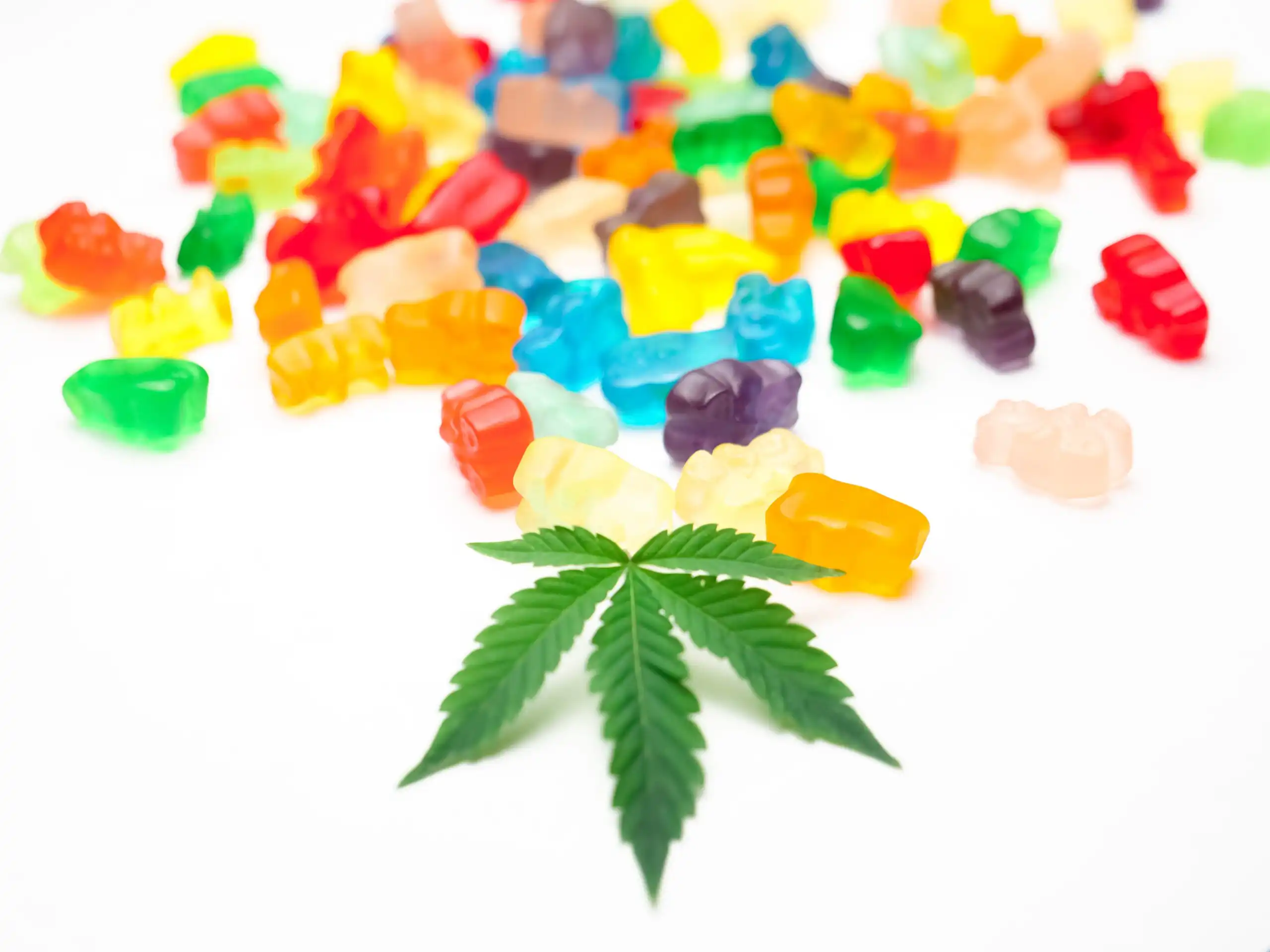
Missouri Hemp THC Ban: A bipartisan bulldozer aimed at gas-station gummies and THC seltzers just roared through the House, 109–34, and it’s headed for the Senate with the engine still hot. That’s the headline, but the subtext is grittier: Missouri wants intoxicating hemp products off the corner shelf by November—aligning with a federal limit of 0.4 milligrams of THC per container—and pushing anything psychoactive behind the armored counter of licensed dispensaries. Call it cannabis regulation by crowbar. The state says it’s fixing a Farm Bill loophole that let hemp-derived THC sneak into fridges and candy aisles. Skeptics say it’s a velvet-rope handoff to the marijuana industry. Either way, the Missouri cannabis market is about to feel a hard reset in how intoxicating hemp is made, moved, and sold.
What’s in the bill? Start with the cap: more than 0.4 mg of THC per container and you’re out of bounds—whether we’re talking delta-8 seltzers, low-dose THC tonics, or hemp-derived edibles stacked at smoke shops. A key clause treats intoxicating hemp as marijuana for regulatory purposes—meaning only licensed dispensaries could sell it, and only if it’s grown in Missouri. The twists keep coming: even if Congress reverses course and greenlights broader sales, Missouri would still wall off these products to dispensaries. If Washington delays a federal crackdown, Missouri would still ban most products, with a narrow carveout for intoxicating beverages. The sponsor, Rep. Dave Hinman of O’Fallon, framed it as synchronization, not invention.
“We’re not pioneering anything new here… What Missouri is doing is simply aligning our state statutes with the federal action.”
For the paperwork-inclined, the text is parked at the state’s site as HB 2641. The practical takeaway is simpler: hemp-derived THC gets treated like marijuana, and the open market for cheap highs evaporates almost overnight.
Who gets hit? Think scale, not novelty. State officials estimated roughly 40,000 food establishments and smoke shops and 1,800 manufacturers have been selling products now on the chopping block. That includes the low-dose THC seltzers—brands like Mighty Kind and Triple—that found their groove in liquor stores and bars. Opponents, led by Rep. Matthew Overcast, argue the bill rewrites what voters locked into the constitution by calling hemp “marijuana,” and that it mostly spares the dispensaries while bulldozing small businesses. Their alternative? Don’t ban—regulate: age-gates, potency standards, testing, labeling, childproof packaging, responsible retail rules. And the counterfactuals aren’t academic. New York, for instance, is debating whether to let liquor stores sell low-THC beverages—a parallel track documented in New York Liquor Stores Could Sell Low-THC Cannabis Beverages Under Newly Filed Bills. Missouri is choosing a different bar to drink at—one with a budtender checking IDs and an inventory system that hums like a vault.
The politics and the pressure. Hinman says this wasn’t his dream bill. He spent months trying to broker a framework for intoxicating hemp outside the marijuana rules, but industry players couldn’t agree on what “safe and sane” should look like. Meanwhile, the attorney general wanted action, and cops were tired of playing whack-a-mole with unregulated products and ambiguous lab reports. So lawmakers reached for the tool already in the shed: the marijuana regulatory regime. Supporters say they’re simply sealing a leak that started in the 2018 Farm Bill; Rep. Jeff Myers called it closing an exploited loophole. But stitching state law to federal shifts is trickier than patching drywall. One federal office nods yes; another scowls no. You can see the fault lines in national headlines like DOJ Suggests ‘Frail And Elderly Grandmother’ Who Uses Medical Marijuana Could Own Gun—While Defending Overall Federal Ban. And while Missouri slams the brakes, other states are mashing different pedals: voters are weighing permission structures in places like Texas, where local decriminalization and reform fights keep surfacing, as tracked in Marijuana Legalization Is On The Ballot In Texas During The Primary Election That’s Happening Now, while Hawaii inches forward with its own guarded blueprint in Hawaii Senators Approve Limited Marijuana Legalization Bill After House Punts On Reform For 2026. The result is a messy map—some states opening the window for low-dose consumer products, others dead-bolting the door.
What it means on the ground. If the Senate agrees and the governor signs, November becomes a line in the concrete. Distributors will reroute pallets. Bars will rethink menus. Liquor stores will lose a rising category with easy margins. Dispensaries will get a new lane—assuming they can source Missouri-grown inputs for hemp-derived lines and that the economics pencil out for products designed to be cheap, accessible, and social. Consumers who built rituals around a two-milligram seltzer after work will feel the jolt first. Predictability is the prize here—enforcement clarity, fewer sketchy labels, less “what’s actually in this?”—but it comes with a cost: higher prices, fewer points of sale, and the end of the gas-station experiment. Keep an eye on whether lawmakers carve out additional beverage exceptions, how testing standards are enforced, and whether federal guidance keeps shape-shifting. The cannabis industry impact in Missouri won’t be subtle; it’ll be a clean break from the past few years of anything-goes hemp shelves. If you’re navigating this shifting landscape and want compliant, high-quality options without guesswork, take a look at our curated selection here: https://thcaorder.com/shop/.