


Maryland Lawmakers Take Up Bill To Protect Medical Marijuana Patients’ Gun Rights
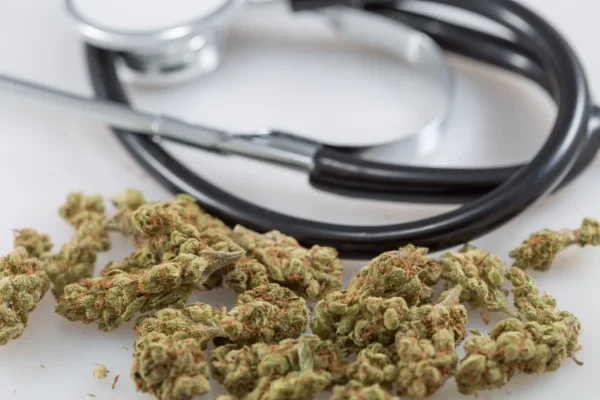
Maryland medical marijuana gun rights are on the line, and the debate feels like a dimly lit bar at last call—everyone’s got a story, and none of them fit neatly on a form. This week, House Judiciary Committee members chewed over House Bill 365, a one-page fix with outsized consequences for medical cannabis patients who want to purchase or carry a firearm. Sponsor Del. Robin Grammer, a Republican with the persistence of a cook on a slammed line, framed it as reconciliation—squaring Maryland’s health code with public safety rules so patients aren’t punished for following the law. Right now, according to his testimony, the mere status of being a qualifying patient can jam you up at the counter. You don’t have to light up, you don’t have to buy—just having that state-issued number can vaporize your rights when the background check pings. It’s the kind of bureaucratic catch-22 that turns decent people into cautionary tales.
The bill itself is blunt and clean: you can’t be denied the right to buy, own, possess, or carry a firearm in Maryland solely because you’re authorized to use medical cannabis. It’s targeted, patient-specific, and it doesn’t touch adult-use consumers who rode in with 2022’s broader legalization wave. That precision is the point. Critics call it a loophole; patients call it oxygen. Grammer says it’s absurd to live in a state where a person can legally carry yet struggle to legally purchase based on paperwork choreography. If that contradiction sounds familiar, it’s because cannabis policy is full of them—compassion in one column, stigma in the other, and a ledger that never quite reconciles. You see the same tension in places like Florida, where lawmakers are flirting with targeted relief like lower fees for veterans navigating medical cannabis access, as seen in Another Florida Committee Approves Bill To Slash Medical Marijuana Fee For Military Veterans. Different state, same problem: policy that talks out of both sides of its mouth.
Here’s the rub: Maryland’s fix doesn’t erase federal law. The national prohibition on firearm possession by anyone considered an “unlawful user” of a controlled substance sits like a boulder in the middle of the road, and cannabis—federally—still wears that scarlet letter. The Supreme Court is weighing challenges to that policy right now, with gun-rights and reform groups (yes, even the NRA) telling justices the ban doesn’t square with the Constitution or with the lived reality of state-legal cannabis. Until that gets sorted, the federal form at the gun shop—the one that treats state-legal cannabis use like contraband—remains a legal minefield. It’s a civics lesson written in small print and enforced in real lives. Meanwhile, the federal drumbeat can still sound puritanical, with agencies playing the old hits about “THC dangers,” exemplified by campaigns like DEA Promotes Anti-Marijuana PSA Contest Inviting Students To Warn Peers About THC Dangers On 4/20. The message from D.C. is often: proceed at your own risk.
But zoom out, and you see a messy mosaic coming into view. In one corner, Maryland’s lawmakers are trying to make room for patients to be both lawful and whole. In another, the country experiments with new playbooks entirely—expanding access, rethinking punishment, rewriting what “public health” means when it’s not being weaponized against the sick. Consider where reform energy is pulsing: from psilocybin therapy measures like Washington State Senators Approve Bill To Legalize Psilocybin Therapy For Adults to hard-nosed legislative compromises in the Mid-Atlantic where Virginia Senators Approve Bills To Legalize Marijuana Sales And Provide Resentencing Relief To People With Prior Convictions. Maryland’s also kicking the tires on psychedelics policy, extending task forces and mapping what sensible oversight could look like. The thread connecting these scenes isn’t just legalization—it’s normalization. It’s the quiet insistence that patients are people, not problems, and that policy should clean up after itself.
What happens next in Maryland reads like the classic legislative grind: hearings, amendments, the whisper campaign of fiscal notes and legal memos. If HB 365 moves, patients could finally get clarity at the gun counter—no more Kafka by clipboard for those following the state’s own rules. It won’t dissolve the federal fog, but it would tighten Maryland’s ship and signal that medical cannabis patients deserve the same presumption of responsibility as anyone else. Until the Supreme Court settles the bigger question, state-level fixes like this are the best kind of pragmatism: imperfect, but humane. Keep your eyes on the committee docket, your paperwork straight, and your expectations grounded. And if you’re looking to pair hard news with clean, compliant cannabinoid options, you can always visit our shop: https://thcaorder.com/shop/.