

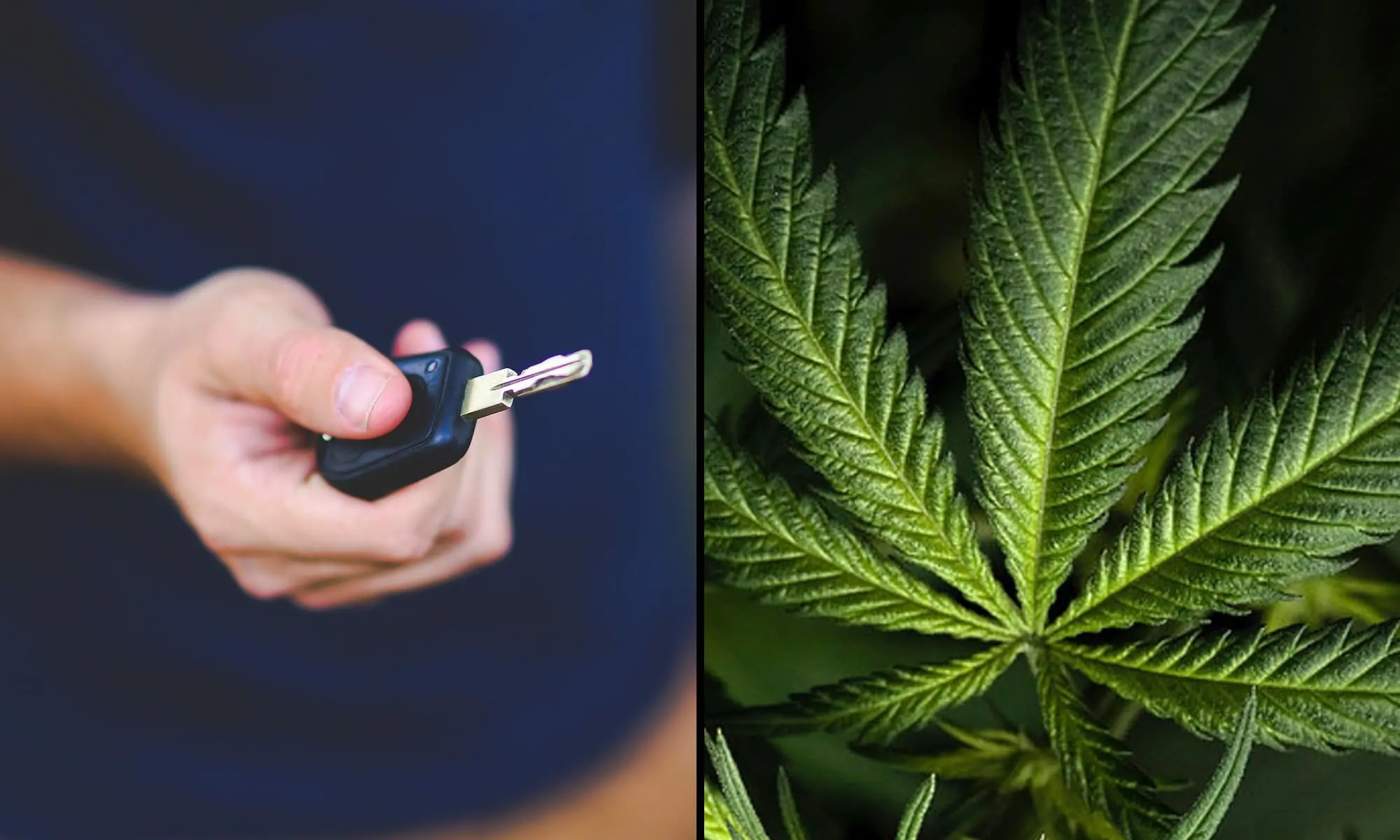
Marijuana Users Are Being Unjustly Jailed For Allegedly Driving Under The Influence, Government-Funded Study Shows
Marijuana-impaired driving laws are cuffing sober people for science that doesn’t add up. That’s the hard truth spilling out of a new, government-funded study that says “per se” THC limits—those tidy little numbers in statute books meant to mimic alcohol thresholds—are sweeping up drivers who show no signs of impairment. Researchers found what many in the cannabis world have muttered for years over barstools and coffee counters: THC hangs around like a stubborn houseguest, lingering in blood for days or even weeks after the party ends, while actual impairment clocks out much sooner. The result? Legal systems in almost 20 states treating trace molecules like smoking guns, and people with steady hands and clear eyes getting tagged as criminals under marijuana-impaired driving laws.
What the study actually measured
- Researchers examined 190 heavy cannabis consumers. Participants abstained for 48 hours, then had blood drawn and were observed on a driving simulator before and after consumption.
- Funding came in part from the National Institutes of Health and the State of California, and the results ran in the journal Clinical Chemistry.
- Core takeaway: Many regular users exceed “zero tolerance” or per se THC cutpoints days after last use—despite no evidence of impairment.
- Scale of the legal net: Six states use 2 or 5 ng/mL per se THC blood limits; a dozen more enforce zero-tolerance laws.
- Context: Prior epidemiological research shows any collision risk from cannabis is small and far below alcohol’s well-documented carnage.
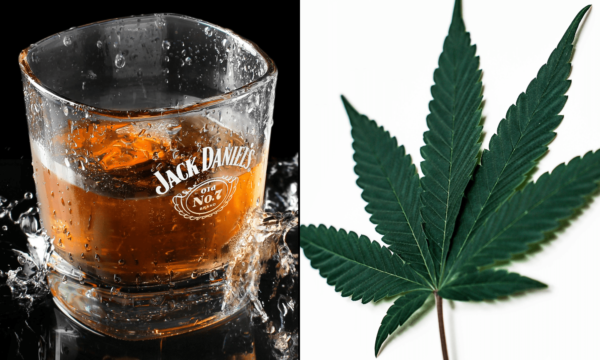
It’s a pharmacology problem dressed up as a policy fix. Alcohol behaves like a courteous tenant: it shows up, it does its damage, and 24–48 hours later it’s gone from the bloodstream. THC is the opposite. It’s lipophilic—fat-loving—and takes up residence in the body’s tissues, releasing slowly enough that a blood test can light up long after the buzz has left the building. That’s why the study—published here in Clinical Chemistry—calls out the mismatch between numerical THC cutoffs and real-world impairment. See the research details at the journal’s site (Clinical Chemistry) and the publisher’s plain-English summary (press release). The scientists hammer home a blunt point: THC concentrations are not ethanol, and pretending they are is lazy, dangerous policy.
Here’s the part that should make prosecutors sweat and defense attorneys sharpen their pencils. The journal’s publisher didn’t mince words:
“Current cannabis blood concentrations used to identify impaired drivers could land innocent people in jail.”
And more:
“Cannabis blood limit laws lack scientific credibility and are not an accurate determinant of when drivers should face criminal charges or not.”
That doesn’t mean impairment isn’t real or risky; it absolutely is, and nobody sane wants dazed drivers barreling down the freeway. But equating a blood number with behavior ignores what matters: can the person actually operate a vehicle safely? The study’s authors urge a blend of field observation and toxicology—old-school police work, upgraded training, maybe better tech—to sort the truly impaired from those who just carry THC’s metabolic fingerprints. Other research last year found no evidence that legalization made people more tolerant of driving high—so the cultural panic may be louder than the data.
Policy, meanwhile, is a messy kitchen. Six states bake in 2–5 ng/mL per se limits. Twelve go full zero tolerance, where any detectable THC is a ticket to cuffs, court, and a drained savings account. Federal rhetoric hasn’t helped; a top traffic safety nominee vowed to “double down” on marijuana-impaired driving awareness. Awareness is fine. Scare campaigns built on shaky science are not. If you want a roadmap out of this fog, look to states experimenting with smarter approaches. California is putting money where the lab coat is—see California Officials Award $30 Million In Marijuana Revenue To Support Research On THC Drinks, Terpenes And Tribal Cannabis Sales—because better science means better policy. Regulators in the South are wrestling with the other side of the equation, where hemp loopholes meet public health; just ask the folks reading the rulebook in Austin: Texas Officials Invite Comment On New Hemp Rules Covering Age Limits, Licensing Fees, Labeling And More. In the Midwest, voters are pushing back when lawmakers swing too hard: Ohio Activists Submit Signatures For Referendum To Block Lawmakers’ Move To Roll Back Marijuana Legalization And Restrict Hemp. And if you want the bigger canvas—rescheduling waves, statehouse momentum—see the year’s sweeping arc: Marijuana Saw Some Big Moments In 2025—From Trump’s Rescheduling Order To State Legalization Momentum.
So where do we land? With humility and a better toolkit. Retire the myth that a single THC blood number can read a driver’s mind. Invest in roadside assessments that focus on behavior, cognition, reaction time. Pair that with transparent toxicology and guardrails that protect civil liberties. Train officers to spot true impairment, not mere chemical presence. And fund research until the tests match the complexity of the plant—and the people who use it. Because public safety deserves more than shortcuts, and drivers deserve more than a lab value masquerading as justice. If you’re passionate about smarter cannabis policy and the culture that surrounds it, keep the conversation alive—and when you’re ready to explore what’s next, visit our shop.