



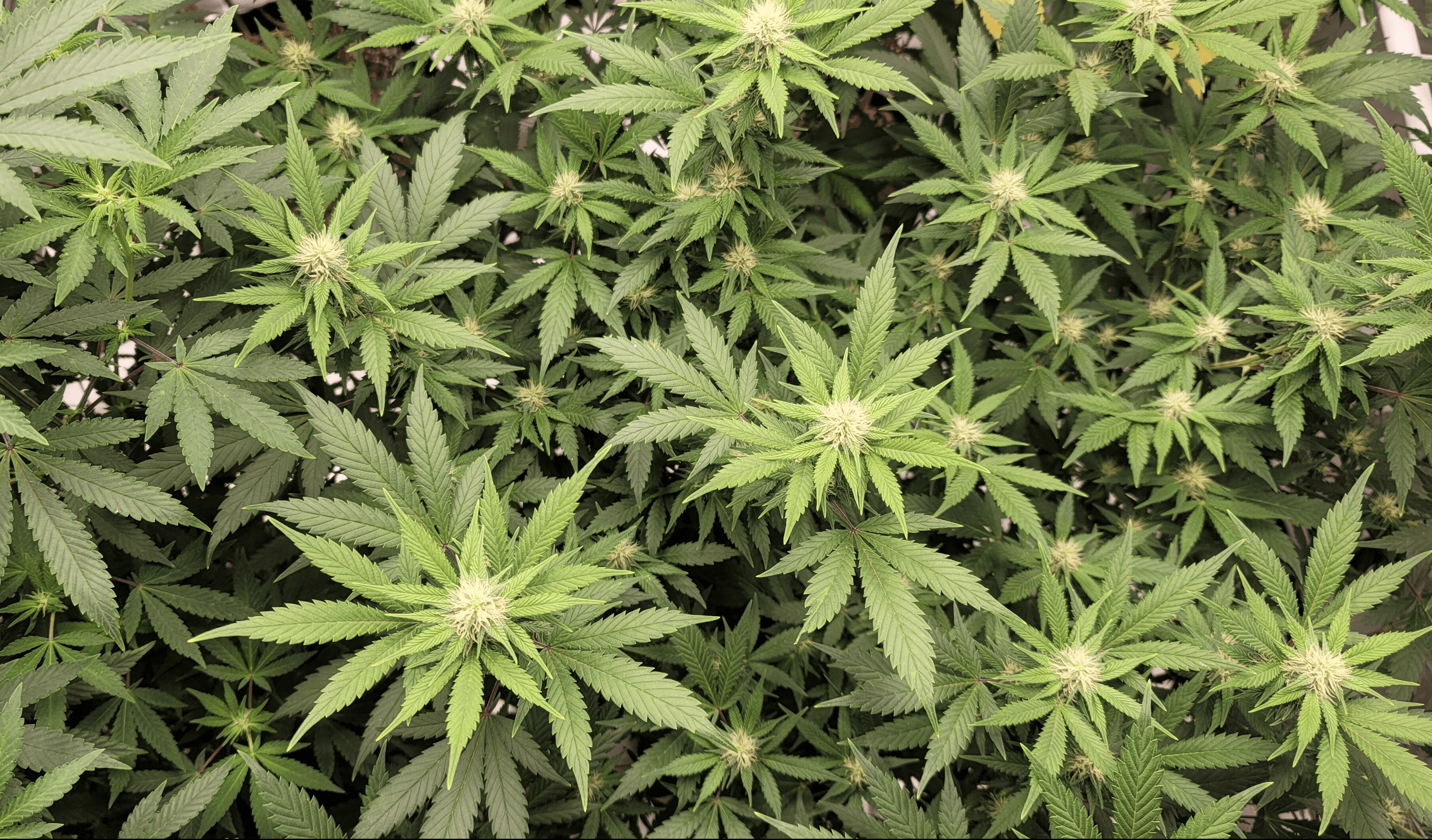
Marijuana Rescheduling Should Be Followed By Banking Access, Sentencing Reform And Legalization, Bipartisan Lawmakers Say
Marijuana rescheduling executive order: the dam finally cracks, but the river still runs cold. With a flick of the pen, a White House directive to push cannabis from Schedule I to Schedule III lands like a late-night bar tab—sobering, overdue, and not the end of the party. It’s progress with a hangover. The shift promises relief from the punishing 280E tax rule, a green light for broader medical research, and a polite nod to a legal cannabis revenue stream the federal government has long pretended didn’t exist. Bipartisan voices are clapping, sure, but listen closely: you can hear the appetite for more. The calls for cannabis banking access, modernized marijuana policy reform, and something resembling a coherent federal marijuana law are already rumbling down the hallway.
Here’s the rub. Rescheduling isn’t legalization. It doesn’t rewrite the Controlled Substances Act, it doesn’t unlock mainstream banking, and it doesn’t unshackle the small businesses counting singles in back rooms because the card processors won’t touch them. Advocates in Congress are dusting off their priorities. The SAFER Banking Act to protect financial institutions that serve state-licensed operators. The Cannabis Administration and Opportunity Act to end federal prohibition, address expungements, and build an adult system for an adult industry. Veterans, patients, and the owners of shops that smell like pine cleaner and ambition can taste the difference Schedule III makes. But many lawmakers are making it plain: it’s a half-step that still leaves too many people—especially in over-policed communities—without relief, and too many storefronts stuck outside the banking system like it’s 1996.
Still, the immediate stakes are real. If Schedule III survives the bureaucratic gauntlet, businesses can deduct ordinary expenses like everyone else on Main Street, stabilizing margins and encouraging investment. Researchers get a wider lane to explore cannabis’s medical profile without the Kafkaesque paperwork crawl. That’s why some Republicans and Democrats alike are treating this as a humane move with economic upside. Yet the map is still a mess. Just look at the whiplash in the Midwest, where an inconsistent patchwork has left consumers and shops guessing. Case in point: Ohio Governor Signs Bill To Recriminalize Some Marijuana Activity, Vetoing Provision To Allow THC Drinks For A Year. Rescheduling offers oxygen; it does not fix the state-by-state contradictions that choke the market and confuse the public.
Zoom out and the tension gets louder. Enforcement zigzags while regulators improvise. In Kansas, headline-grabbing tactics turned heads and livelihoods inside out; lawsuits followed, because of course they did—see Kansas Attorney General And Law Enforcement Sued Over Raids On Hemp Businesses. In Alabama, rulemakers marched ahead over political objections, signaling how fast the ground can shift beneath operators’ feet: Alabama Regulators Approve Hemp Product Rule Despite Opposition From Key Lawmaker. And as national policy inches forward, some statehouses are already reading the tea leaves on what a federal shift could mean for local legalization momentum—see the regional temperature check here: Trump’s Marijuana Rescheduling Move Could Boost State Legalization Efforts, Lawmakers In Pennsylvania And Tennessee Say. The throughline is simple: rescheduling changes the conversation, but the rules remain a quilt stitched by politics, fear, and the occasional flash of common sense.
So what now? Banking protections need to pass, or the cash-only status quo will keep inviting theft, money laundering, and paranoia—the dark economy tagging along with the legal one like a bad date. Expungements must move faster, because it’s obscene to keep people caged or sidelined for conduct that voters and markets have already accepted. States need clarity on testing, labeling, and interstate logistics before the gray-market hydra grows another head. And Congress must decide if it wants a modern cannabis policy or a permanent workaround. Rescheduling is the first crack in the old facade. The rest is guts, votes, and follow-through. Until the fog lifts, know your market, know your rights, and keep your receipts—and if you’re ready to explore compliant alternatives while the policy dust settles, step into our world and browse what’s new in our shop: https://thcaorder.com/shop/.