
Marijuana Legalization Is On The Ballot In Texas During The Primary Election That’s Happening Now
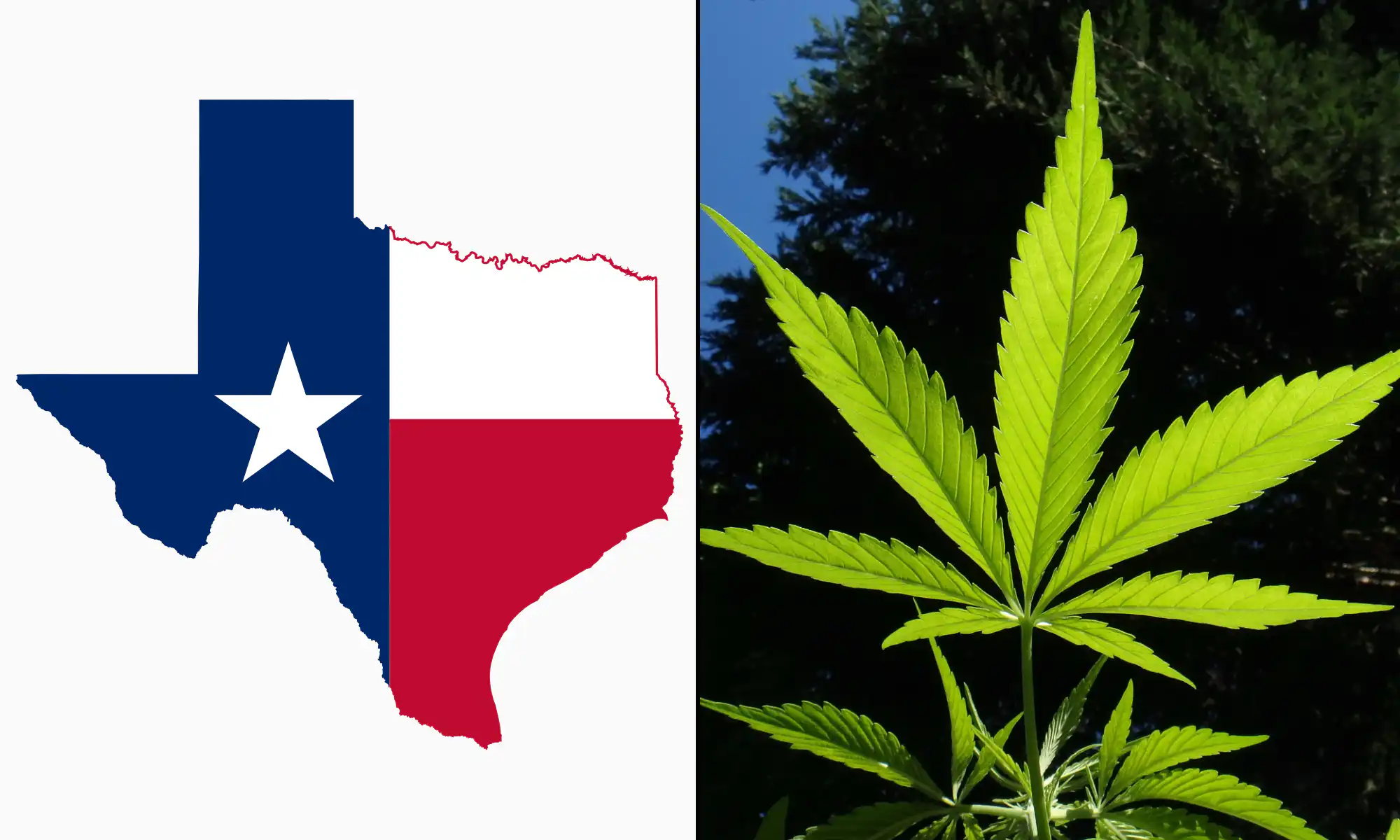
Texas marijuana legalization is on the primary ballot—sort of—and that matters. In a state that prefers its politics straight, no chaser, Democrats have slid a non-binding proposition onto March 3 ballots asking voters if adults should be allowed legal cannabis and whether low-level past offenses should be wiped clean. It’s a simple, loaded prompt with the clink of a glass at last call: legalize and expunge. Because Texas runs an open primary, anyone can pick a ticket; if you want to register your take on cannabis, you’ll need the Democratic ballot when you step into that fluorescent-lit voting booth for the primary. The result won’t rewrite statute books by sunrise, but it will say something loud and clear to lawmakers about the Texas cannabis market, marijuana policy reform, and how ready voters are for a grown-up conversation about expungement and adult-use.
Signals over statutes
This proposition is a weather vane, not a law. But lawmakers read wind for a living, and a strong gust from voters can move stubborn fronts. Meanwhile, the machinery of cannabis regulation in Texas is already grinding forward in small, telling ways. In December, the Department of Public Safety conditionally approved nine new medical marijuana business licenses—no small shift in a program that’s been running on the fumes of just three dispensaries. DPS has also adopted rules to expand dispensary footprints, with stricter security for satellite sites and sharper teeth for violations. Three more conditional dispensary licenses are slated by April 2026. That’s the quiet part of cannabis policy reform in Texas: incremental, procedural, and very real. Other states are walking their own tightropes, too; Hawaii, for instance, is adjusting its stance with care, as seen in Hawaii Senators Approve Limited Marijuana Legalization Bill After House Punts On Reform For 2026. Incrementalism isn’t sexy, but it stacks up fast.
The hemp detour—and a map that keeps changing
Texas’s cannabis story also runs through hemp, because of course it does. After a year of political whiplash, bipartisan lawmakers say they’ll push next session to regulate hemp THC products rather than pretend prohibition will corral a market that’s already sprinted into gas stations and strip malls. Regulators haven’t waited: proposed rules would set age gates, licensing fees, testing standards, packaging restrictions—nuts-and-bolts scaffolding for consumable hemp that tries to separate safe commerce from chaos. At the same time, the Department of State Health Services has given physicians latitude to recommend new qualifying conditions for medical cannabis patients and set standards for low-THC inhalation devices. It’s messy. It’s overdue. And it’s exactly the kind of practical, unglamorous work that actually changes lives—especially for patients who shouldn’t have to wait on bureaucracy to breathe easier, a principle echoed in Hawaii Lawmakers Approve Bill To Let Patients Access Medical Marijuana Immediately Instead Of Having To Wait For Registration Processing. The ballot’s yes-or-no is clean; the on-the-ground reality is all elbows and grease.
Promise meets pitfall
Scaling up invites growing pains, and Texas would be wise to study other states’ hard lessons. Licensing isn’t just paperwork; it’s power, money, and a magnet for scrutiny. One look at the debate captured in Missouri Audit Highlights Marijuana Licensing ‘Deficiencies,’ Drawing Pushback From Regulators should remind Texas that transparency and fairness aren’t luxuries—they’re the difference between a credible market and a feeding frenzy. Then there’s the federal shadow: guns and weed, the oddest of bedfellows, especially in a state where both are cultural signposts. The government’s stance can get Kafkaesque, as reflected in DOJ Suggests ‘Frail And Elderly Grandmother’ Who Uses Medical Marijuana Could Own Gun—While Defending Overall Federal Ban. Texas can push reform within its borders, but the federal contradictions still lace the drink.
What a ‘yes’ really does
A vote on a party proposition doesn’t legalize cannabis or trigger automatic expungement in Texas tomorrow morning. What it does is put numbers to a feeling that’s been simmering for years: that adults can handle legal cannabis, that low-level records should not be life sentences, and that a sprawling, half-regulated patchwork helps no one—not patients, not honest entrepreneurs, not communities still carrying the costs of old policies. If the tally comes back strong, it hands lawmakers a mandate to move on adult-use legalization, to build a smarter framework for hemp THC, and to widen medical access without the molasses of red tape. In an open-primary state, your voice is a choice at the outset: pick the ballot that asks the question you want to answer, then answer it with a pen and a little faith. If you’ve read this far, you’re already doing the homework; if you want to take the next step from policy to practice, explore our selections and see where premium THCA fits in your journey at our shop.