Buy $94.10 more to get Free Shipping

Subtotal: $5.90


Ovarian cancer doesn’t fight fair. It hides, buys time, and when you finally corner it, it shrugs off too many drugs like a brawler who’s been hit before. That’s why the new lab data on cannabis ovarian cancer treatment feels like a stiff drink at last call—sobering, but clarifying. In a preliminary study published in Frontiers in Pharmacology, researchers worked over two ovarian cancer cell lines with THC and CBD, then threw both at once. The one-two punch didn’t just slow the cells; in a 1:1 ratio, it took them out and kept them from spreading. This isn’t a miracle pill or a green fairy tale. It’s in vitro science—controlled, careful, and a long way from the clinic. But it’s the kind of signal you don’t ignore when the status quo leaves patients nauseated, exhausted, and staring down recurrence. Call it a promising breadcrumb trail, not the meal.
The team didn’t stack the deck. They tested two human ovarian cancer lines: one sensitive to platinum-based chemotherapy and one that’s already learned to slip the cuffs. Both saw fewer and smaller colonies after exposure to CBD or THC. Together, they were better—synergy, not just addition. Migration assays suggested the combo clipped the cancer’s urge to roam, a big deal since metastasis is the reaper’s favorite tool. Importantly, healthy cells took far less collateral damage. That’s the dream in oncology: hit the tumor, spare the host. Mechanistically, the cannabinoids appeared to restore some sanity to the PI3K/AKT/mTOR pathway—an overactive signal relay that often fuels ovarian tumor growth and drug resistance. It’s early, but pointed, like catching a tell in the way your opponent shuffles the deck.
Ovarian tumors love the PI3K/AKT/mTOR pathway like a drunk loves neon—they bask in it and grow bold. The study suggests THC and CBD toned that signal down, which would help explain the reduced proliferation and the uptick in cancer cell death. It’s a plausible route, not an ironclad verdict. The researchers were explicit: this is step one. No animal models yet. No pharmacokinetics, no dosing roadmap, no delivery method tested in a living body. But the logic is sound: you temper the master growth switch and cancer loses its swagger. There’s also a practical whisper here—the prospect of therapies that aren’t as punishing as the current arsenal. Ovarian cancer patients know the cost of “effective” all too well: hair, appetite, sleep, and sometimes hope.
“Although our study is still preliminary, it lays an important foundation for future research into the potential applications of CBD and THC in ovarian cancer treatment.”
Here’s where the romance ends and the paperwork begins. Turning a lab win into a therapy means animal studies, dosing curves, delivery science, toxicity screens, and eventually human trials—each step slower than it should be because cannabis sits in a legal gray that muddies everything from research grants to supply chains. With federal prohibition still casting a long shadow—reinforced by rulings like U.S. Supreme Court Rejects Marijuana Companies’ Case Challenging Federal Prohibition—progress often depends on who’s willing to navigate the minefield. Banking access and compliance headaches don’t just hit storefronts; they hit researchers trying to build trials, pay staff, and secure product. That’s why policy chatter matters, including hearings flagged in Former Top State Marijuana Regulator To Testify At U.S. Senate Banking Hearing This Week. Even the simmering debate over rescheduling—complete with pushback from workplace testing interests, as in Drug Testing Industry Group Is ‘Sounding The Alarm’ About Marijuana Rescheduling As Trump Plans Action—could tilt the table. Rescheduling won’t magically create a cure, but it could grease the skids for real clinical research and credible cannabinoid medicines.
Ovarian cancer doesn’t hand out second chances. Any legitimate path to better outcomes deserves oxygen, especially one that hints at efficacy against both chemo-sensitive and chemo-resistant disease while sparing healthy tissue. That’s the humane calculus here. But let’s be grown-ups: in vitro victories don’t always survive the animal lab, let alone phase 2. Translation takes time, money, and a policy climate that values evidence over fear. We’ve spent decades criminalizing a plant while subsidizing suffering, and the collateral damage stretches well beyond patients—see the broader costs of the drug war outlined in The War On Drugs Makes The Climate Crisis Worse, New Report Shows. So watch for in vivo studies, pharmacokinetic profiles, delivery innovations (nanocarriers, targeted ligands), and trial designs that measure not just tumor response, but quality of life. Until then, keep your skepticism sharp and your compassion sharper—and if you’re exploring compliant hemp options while following the science, take a careful look at our curated selection here: https://thcaorder.com/shop/.
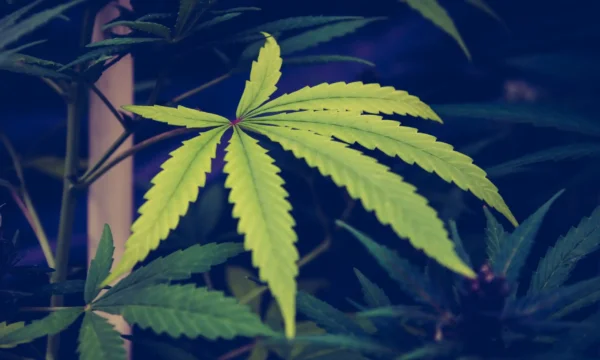
Marijuana munchies, demystified: a clinical look at hunger, reward, and why beef jerky suddenly tastes like destiny Here’s the thing about the marijuana munchies: they’re not a sitcom gag or a dorm-room myth. They’re biology, not bravado. In a new human trial published in the Proceedings of the National Academy of Sciences, researchers from Washington […]
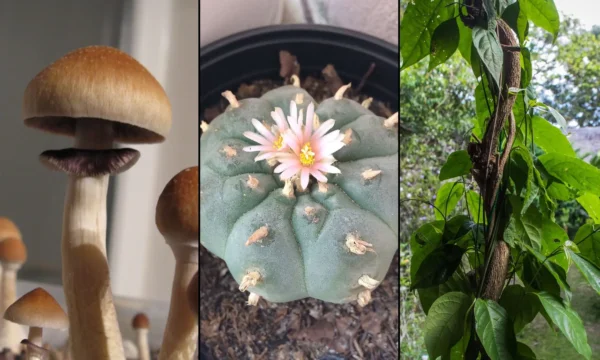
AI chatbots mimic psychedelic experiences, and the trip is closer than you think File this under unsettlingly human: AI psychedelic experiences are now convincing enough to pass for the real thing. Researchers from the University of Haifa and Bar-Ilan University essentially dosed large language models with text prompts and watched them spin first-person tales of […]

THC drinks, last call, and a different kind of morning-after Cannabis-infused beverages as a harm reduction alternative to alcohol are finally getting their receipts. Picture the end of a long night: sticky bar top, neon buzzing like a hornet nest, the choice between another vodka rocks or a chilled can stamped with 5–10 mg THC. […]
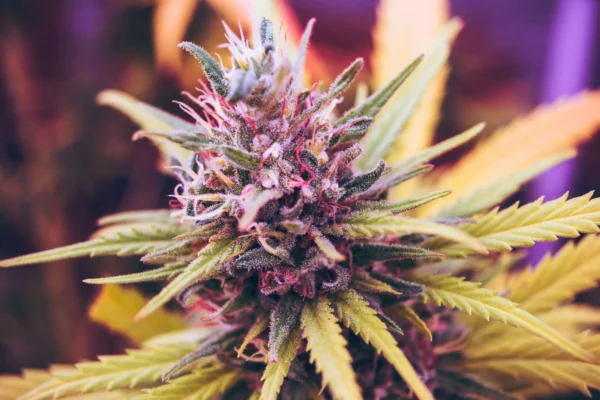
Dating Has a New Green Light Marijuana dating red flag? America mostly swipes right on the green. In a new cannabis dating survey by Drug Rehab USA, 1,000 people with recent dating experience ran their fingers over the pulse of modern romance and found it beating to a different rhythm. Only one in four called […]
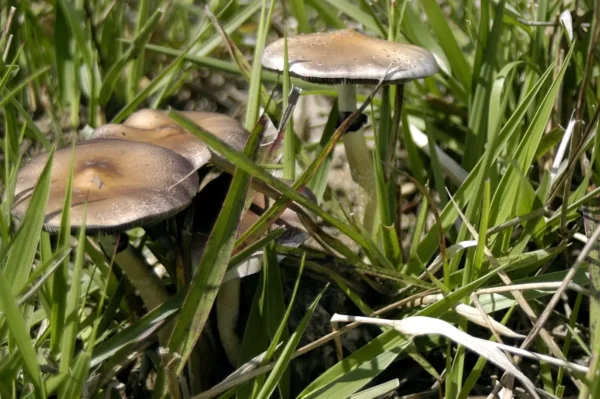
Microdosing psychedelics went mainstream in America in 2025. Not with glow sticks and dance floors, but with calendar reminders, coffee mugs, and people quietly chasing a steadier mood during the Wednesday slump. A new RAND study says nearly 10 million U.S. adults—about 3.7 percent—microdosed psychedelics last year, favoring tiny, sub-perceptual amounts over technicolor odysseys. The […]
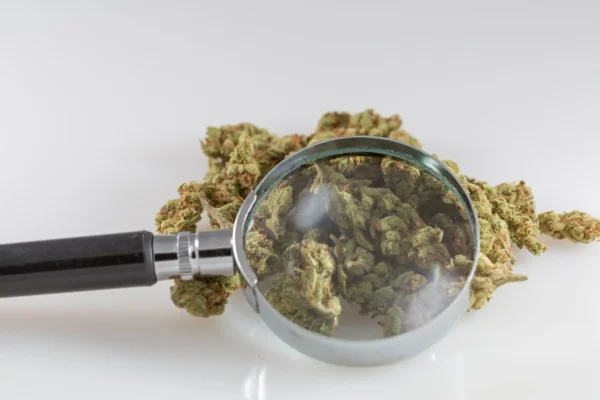
Marijuana federal classification is out of step with reality, and the science is finally shouting it from the rooftops. A new Harm Reduction Journal review reads like a long-overdue audit of the Controlled Substances Act—half a century of rigid categories, moral panics baked into code, and a bureaucracy that still insists cannabis belongs in the […]
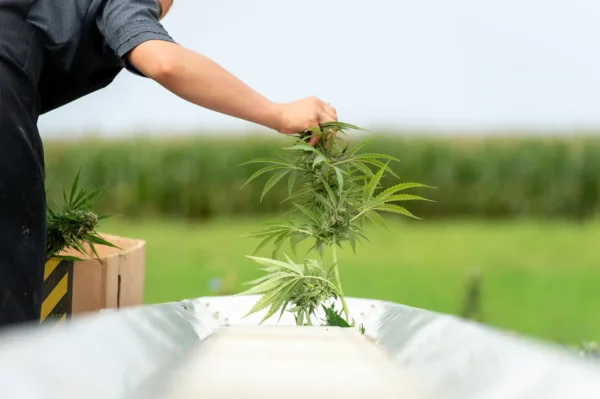
USDA hemp roots study points to pediatric cancer treatment—and a fresh revenue stream hiding under our boots. Picture the roots: knuckled, dirt-caked, ignored. The parts of industrial hemp we stepped over on the way to the flowers, the fiber, the grain. Now, Agricultural Research Service scientists say those roots are carrying a new class of […]
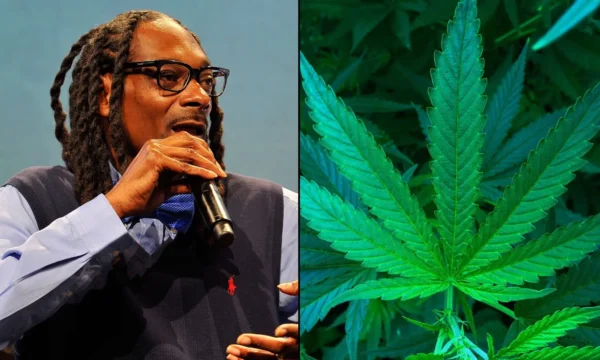
Hip hop music videos marijuana: that’s the headline, the neon sign buzzing above the late-night deli where culture trades stories with commerce. A new government-supported analysis of 2024’s YouTube top 100 tells it straight—37 percent of U.S. hip hop and rap videos referenced cannabis, and another 4 percent name-checked both marijuana and nicotine. Do the […]

CBD anti-tumor effects isn’t a phrase you expect to trust after midnight, when the ashtray’s full and the promises are too. But a new systematic review—funded by the National Natural Science Foundation of China and published in the December 2025 issue of Phytomedicine—leans into the uncomfortable possibility that cannabidiol, the famously non-intoxicating cousin in the […]
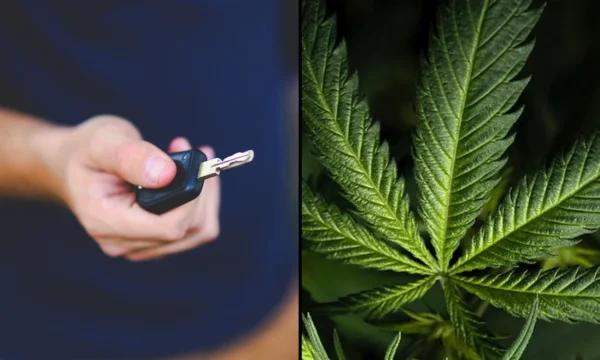
Marijuana-impaired driving laws are cuffing sober people for science that doesn’t add up. That’s the hard truth spilling out of a new, government-funded study that says “per se” THC limits—those tidy little numbers in statute books meant to mimic alcohol thresholds—are sweeping up drivers who show no signs of impairment. Researchers found what many in […]