Buy $94.10 more to get Free Shipping


Subtotal: $5.90


AI cannabis breeding isn’t some sci-fi garnish anymore—it’s the main course. A new analysis suggests marijuana breeders can use artificial intelligence to design new strains and fast-forward breeding cycles, swapping six-to-eight-year waits for something closer to a sprint. Feed the models genetic markers, growth measurements, environmental data, and chemical assays. Let them simulate thousands of potential crosses before a single seed hits soil. The payoff reads like a grower’s fever dream: tighter control over cannabinoid and terpene profiles, speed breeding that shrinks time-to-market, and—maybe most precious of all—consistency. Because “consistent cannabis” has always been the white whale in this business, and AI looks like a harpoon with a guidance chip.
Metabolomics is the secret pantry. It catalogs the full buffet of chemicals a plant can whip up under pressure, weather, and whim. Layer that with genomic selection and deep learning, and you start predicting which genetic mash-ups will yield the precise chemical ensemble you want. Neural networks track nonlinear gene interactions that humans can’t see. They fold in light spectrum, humidity, nutrients, and those tiny temperature mood swings that turn plants into either poets or wrecking balls. The authors—affiliated with the University of Saskatchewan and Renaissance Bioscience—pitch this as a way to design strains that don’t just hit a number on THC or coax out rare cannabinoids like CBG, but actually behave across diverse climates. Their preprint lives on ResearchGate, for those who like to read the recipe as well as taste the dish: AI-Enabled Cannabis Breeding: Designing Strains for Specific Cannabinoid and Terpene Profiles.
Take it from the lab bench to the warehouse. Gas chromatography mass spectrometers measure cannabinoids and terpenes through a plant’s life. Imaging rigs count trichomes and flag stress responses like a hawk watching a field mouse. Every readout becomes training data. The models learn, iterate, and refine. The promise is ruthless, repeatable performance—chemically steady, resilient, and adaptable—exactly what the legal cannabis market keeps demanding under the bright lights of compliance and consumer expectation. But the machine’s appetite for clean data runs into the mess of policy. When federal and state rules collide, enforcement tones and research permissions blur, shaping what datasets even exist. For a snapshot of how that tug-of-war may guide the next chapter—especially around the new hemp ban and its spillover effects—bookmark Ongoing Marijuana Conflict Between States And Feds Could Provide ‘Guidance’ On How New Hemp Ban Will Be Enforced, Congressional Report Says.
And then there’s the human factor—our knack for turning a good idea into a gold rush. If AI becomes the industry’s favorite kitchen tool, it could crank out standardized hits so efficiently that biodiversity thins at the edges. Breeding for faster maturation and higher extraction yields rewires incentives; monocultures creep in if nobody’s minding the pantry. That puts policy and market design on the front burner. States that shun monopolies and invite a range of cultivators guard against the blanding-out of genetics, while those flirting with top-down control risk a thinner gene pool and fewer voices. For a grounded take on how to avoid the worst of that, see Virginia Rejected A Monopoly Model For Marijuana, But Lawmakers Need To Finish The Job (Op-Ed). And remember, gains aren’t guaranteed; reform can roll backward. Efforts to unwind legalization—even partially—would ripple through research access and breeder incentives, as battles like Maine Officials Approve 2026 Ballot Initiative To Largely Repeal Marijuana Legalization Law For Signature Collection make painfully clear.
Culture always nips at policy’s heels. We lionize innovation, then panic when it gets weird. Public figures surf that contradiction in real time; the line between private exploration and public perception is razor-thin, as stories like RFK Hid Psychedelic Trips From His Wife, Journalist Who Allegedly Had Affair With Him Says In New Book remind us. AI-enabled cannabis breeding will test those nerves: ethical guardrails, data integrity, and the grind of regulatory reform will decide whether we get a renaissance in strain diversity or just faster sameness. For now, the machines are hungry, the plants are responsive, and the growers who learn to translate between code and canopy will shape the flavor of the future—one informed decision, one clean dataset, one expertly cured jar at a time. When you’re ready to taste where the craft is headed next, take a stroll through our shop: https://thcaorder.com/shop/.
Marijuana munchies, demystified: a clinical look at hunger, reward, and why beef jerky suddenly tastes like destiny Here’s the thing about the marijuana munchies: they’re not a sitcom gag or a dorm-room myth. They’re biology, not bravado. In a new human trial published in the Proceedings of the National Academy of Sciences, researchers from Washington […]

AI chatbots mimic psychedelic experiences, and the trip is closer than you think File this under unsettlingly human: AI psychedelic experiences are now convincing enough to pass for the real thing. Researchers from the University of Haifa and Bar-Ilan University essentially dosed large language models with text prompts and watched them spin first-person tales of […]

THC drinks, last call, and a different kind of morning-after Cannabis-infused beverages as a harm reduction alternative to alcohol are finally getting their receipts. Picture the end of a long night: sticky bar top, neon buzzing like a hornet nest, the choice between another vodka rocks or a chilled can stamped with 5–10 mg THC. […]
Dating Has a New Green Light Marijuana dating red flag? America mostly swipes right on the green. In a new cannabis dating survey by Drug Rehab USA, 1,000 people with recent dating experience ran their fingers over the pulse of modern romance and found it beating to a different rhythm. Only one in four called […]

Microdosing psychedelics went mainstream in America in 2025. Not with glow sticks and dance floors, but with calendar reminders, coffee mugs, and people quietly chasing a steadier mood during the Wednesday slump. A new RAND study says nearly 10 million U.S. adults—about 3.7 percent—microdosed psychedelics last year, favoring tiny, sub-perceptual amounts over technicolor odysseys. The […]
Marijuana federal classification is out of step with reality, and the science is finally shouting it from the rooftops. A new Harm Reduction Journal review reads like a long-overdue audit of the Controlled Substances Act—half a century of rigid categories, moral panics baked into code, and a bureaucracy that still insists cannabis belongs in the […]
USDA hemp roots study points to pediatric cancer treatment—and a fresh revenue stream hiding under our boots. Picture the roots: knuckled, dirt-caked, ignored. The parts of industrial hemp we stepped over on the way to the flowers, the fiber, the grain. Now, Agricultural Research Service scientists say those roots are carrying a new class of […]
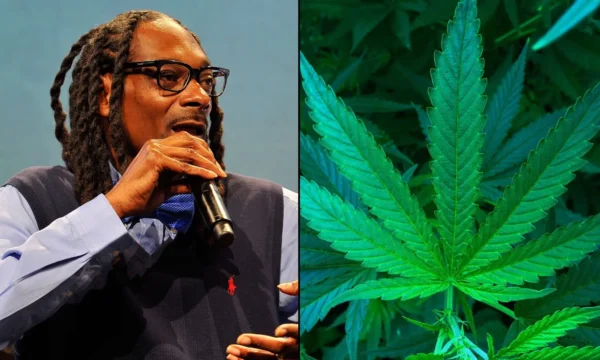
Hip hop music videos marijuana: that’s the headline, the neon sign buzzing above the late-night deli where culture trades stories with commerce. A new government-supported analysis of 2024’s YouTube top 100 tells it straight—37 percent of U.S. hip hop and rap videos referenced cannabis, and another 4 percent name-checked both marijuana and nicotine. Do the […]

CBD anti-tumor effects isn’t a phrase you expect to trust after midnight, when the ashtray’s full and the promises are too. But a new systematic review—funded by the National Natural Science Foundation of China and published in the December 2025 issue of Phytomedicine—leans into the uncomfortable possibility that cannabidiol, the famously non-intoxicating cousin in the […]
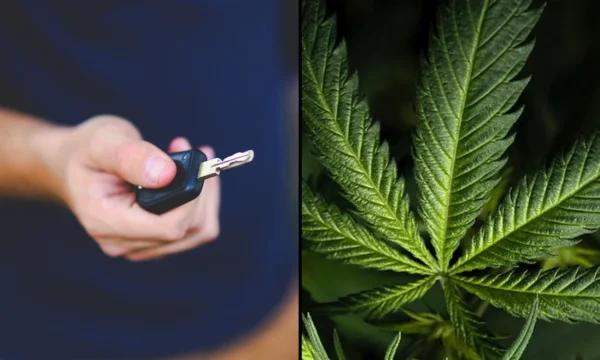
Marijuana-impaired driving laws are cuffing sober people for science that doesn’t add up. That’s the hard truth spilling out of a new, government-funded study that says “per se” THC limits—those tidy little numbers in statute books meant to mimic alcohol thresholds—are sweeping up drivers who show no signs of impairment. Researchers found what many in […]