
Key Congressional Committee Set To Vote On Delaying Federal Hemp THC Ban Next Week
Federal hemp THC ban delay: the phrase tastes like a shot of rye at last call—sharp, necessary, and maybe the only honest thing on the menu right now. Out in flyover farm country, spring is a game of faith and forecasts, but Washington’s slow-drip policy machine has a way of clouding the sky. A pending federal redefinition of hemp would flip the script this November, turning a once-legitimate slice of the market into contraband with the stroke of a bureaucrat’s pen. Into that storm walks Rep. Jim Baird, floating a one-year reprieve in the 2026 Farm Bill—just enough runway for the hemp sector to argue for regulation over recriminalization. The House Agriculture Committee was set to chew on it this week, but weather shoved the hearing to next. The pitch is simple and sober: hit pause so farmers can plant with a straight face and regulators can build a framework that doesn’t punish the players who actually showed up to play by the rules. You can even read the official summary of the proposal in the Baird amendment—no mystery there, just time, which is in shorter supply than sunshine in February.
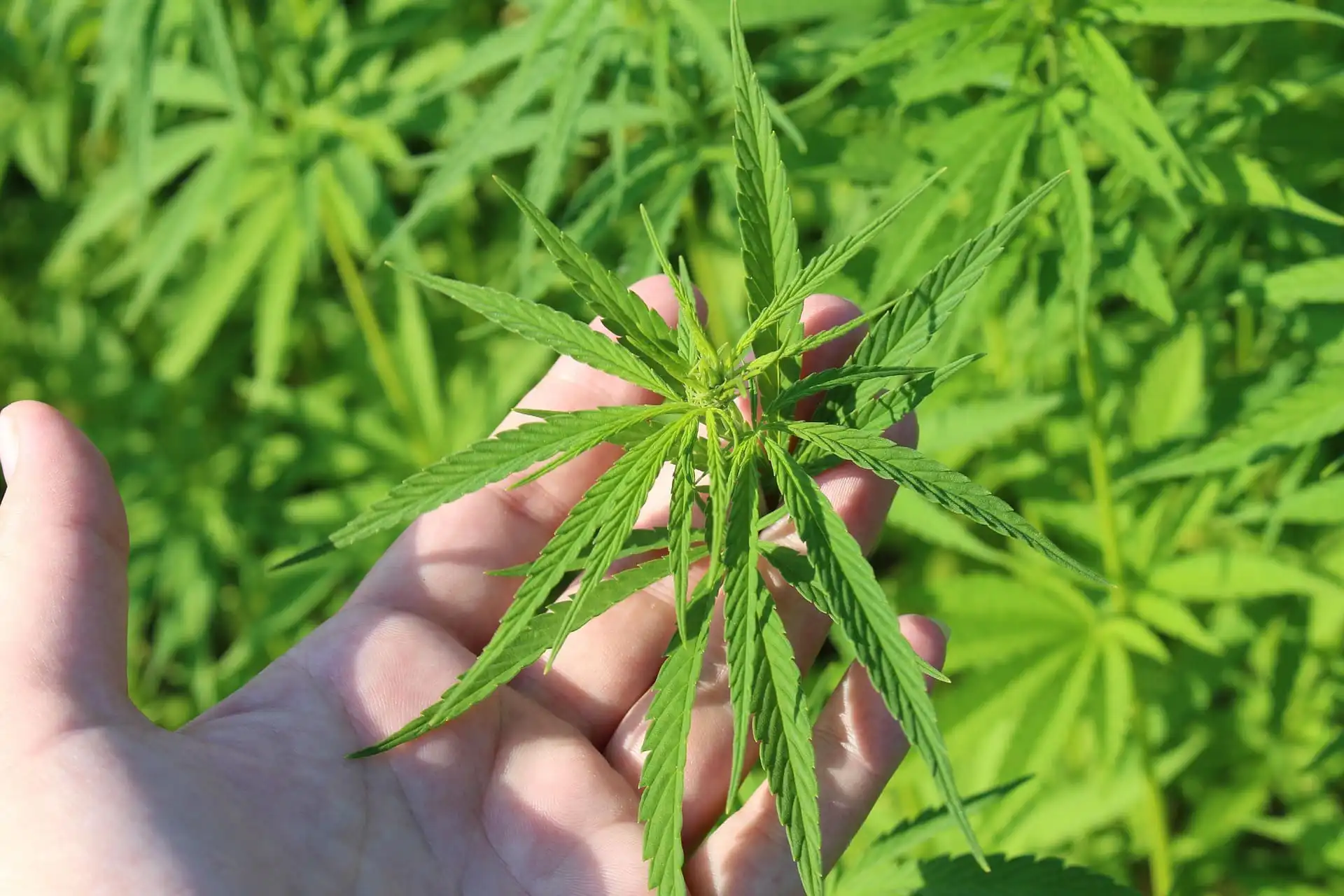
Here’s the bone-deep detail behind the anxiety. Since 2018, “hemp” has meant cannabis with less than 0.3 percent delta‑9 THC by dry weight, a bright line that was never going to stay bright. The new definition tightening this fall would count total THC—not just delta‑9, but isomers like delta‑8—and even “any other cannabinoids” with THC-like effects as judged by health authorities. It doesn’t stop at chemistry. “Intermediate” hemp-derived products marketed directly to consumers would be out. Anything synthesized or manufactured beyond what the plant can naturally produce? Also out. And the knockout punch: a 0.4 milligram cap per container for total THC or THC-like cannabinoids. Read that again—per container, not per serving. The Food and Drug Administration was supposed to publish authoritative lists of naturally occurring cannabinoids and THC-class compounds within 90 days of enactment, but their clock ran long. Meanwhile, farmers hover over seed catalogues like they’re reading a will, and processors eye inventory the way a bartender watches the health inspector walk through the door. The ground truth is simple: absent a delay, the market that grew up under the 2018 Farm Bill faces a guillotine disguised as guidance.
Politics rarely rewards nuance, but this fight is putting pragmatists back on the field. There’s a cross-aisle chorus warning that an outright ban will vaporize a mainstream consumable cannabinoid market—especially in states where adult-use marijuana remains illegal—without replacing it with coherent rules. Heavyweights in the alcohol world, not exactly known for passing the peace pipe, have urged Congress to delay the law’s snap-back while regulators slot hemp beverages into a familiar lane: age-gated sales, standard labeling, and real compliance teeth. They’re not wrong. If we can track a bottle of bourbon from rickhouse to rocks glass, we can track a hemp seltzer. A smart regulatory model—potency caps per serving, child-resistant packaging, contaminant testing, marketing guardrails—beats prohibition every day of the week and twice on Sunday. And if this sounds like an education problem as much as a policy one, that’s because it is; the debate often confuses chemistry class with civics class, a tension explored in America Doesn’t Have A ‘Marijuana Problem,’ As NYT Claims—It Has a Cannabis Education Problem (Op-Ed), which argues that clear rules and honest information tame markets better than moral panic.
Zoom out and the pattern sharpens. States keep behaving like laboratories, not temples, and pragmatism keeps winning bar fights with fear. Consider how even conservatives have found their way to practical cannabis policy when the economics and enforcement realities line up—see Virginia Republican Lawmakers Explain Why They Voted To Legalize Marijuana Sales. Hospitals are also edging toward real-world solutions, as debates over bedside access reflect health-first thinking in places like the Nutmeg State—read Connecticut Lawmakers Take Up Bill To Allow Medical Marijuana Access In Hospitals. And on the culture front, public opinion keeps drifting toward normalization across the broader plant-and-molecule universe, with psychedelics polling today like cannabis did before the state-by-state dominoes fell—see Americans’ Support For Legalizing Psychedelics Is Where Marijuana Was In The 1990s Before State Reforms, Poll Shows. The signal is steady: markets don’t vanish when you ban them; they move. Regulation, not recriminalization, is how you protect consumers, give room to small operators, and collect the tax revenue that keeps the streetlights on.
So what happens next if Congress buys the time? You get a year to build adult rules for an adult market: standardized definitions of hemp-derived THC; per-serving, not per-container, potency limits that reflect how people actually consume; age verification and retail licensing that mirror beverage alcohol; product testing that finds the mold before the customer does; warning labels that treat the public like grown-ups; and a tax-and-track system that doesn’t smother the little guy. If the delay dies, brace for a hard contraction—SKUs pulled overnight, farmers stuck with biomass they can’t move, enforcement that varies by zip code, lawsuits flying, and consumers funneled toward gray and black markets. That’s not oversight; that’s abdication. The Baird amendment isn’t a love letter to hemp; it’s triage, the sober move when the clock is louder than the rhetoric. If you’re navigating this shifting ground and want to keep your options open with compliant, high-quality choices, step into our corner and explore what’s on offer at our shop.