
Kentucky’s First Medical Marijuana Dispensary To Open This Weekend, With Supplies Expected To ‘Run Out’ Quickly, Governor Says
Kentucky’s first legal green light
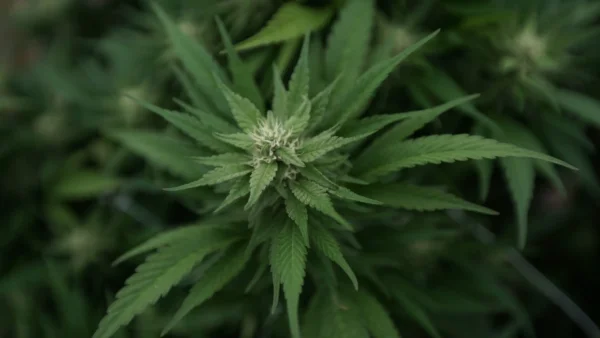
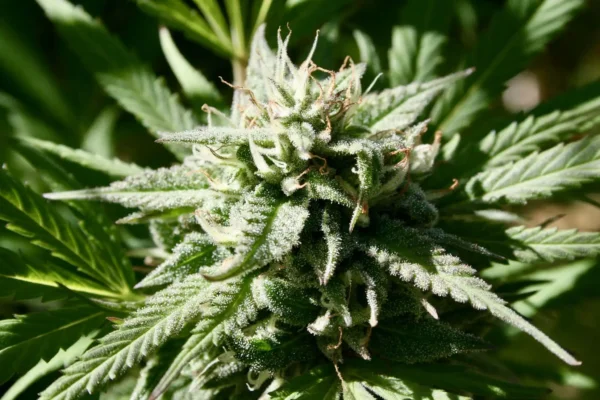
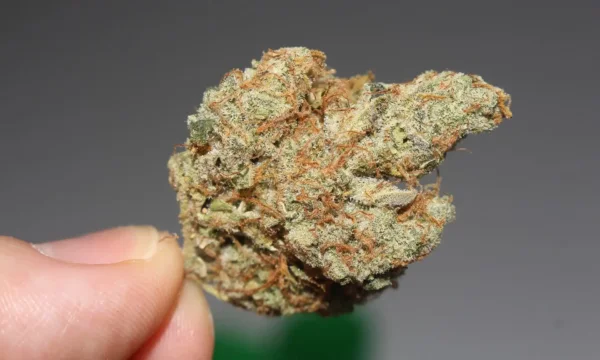
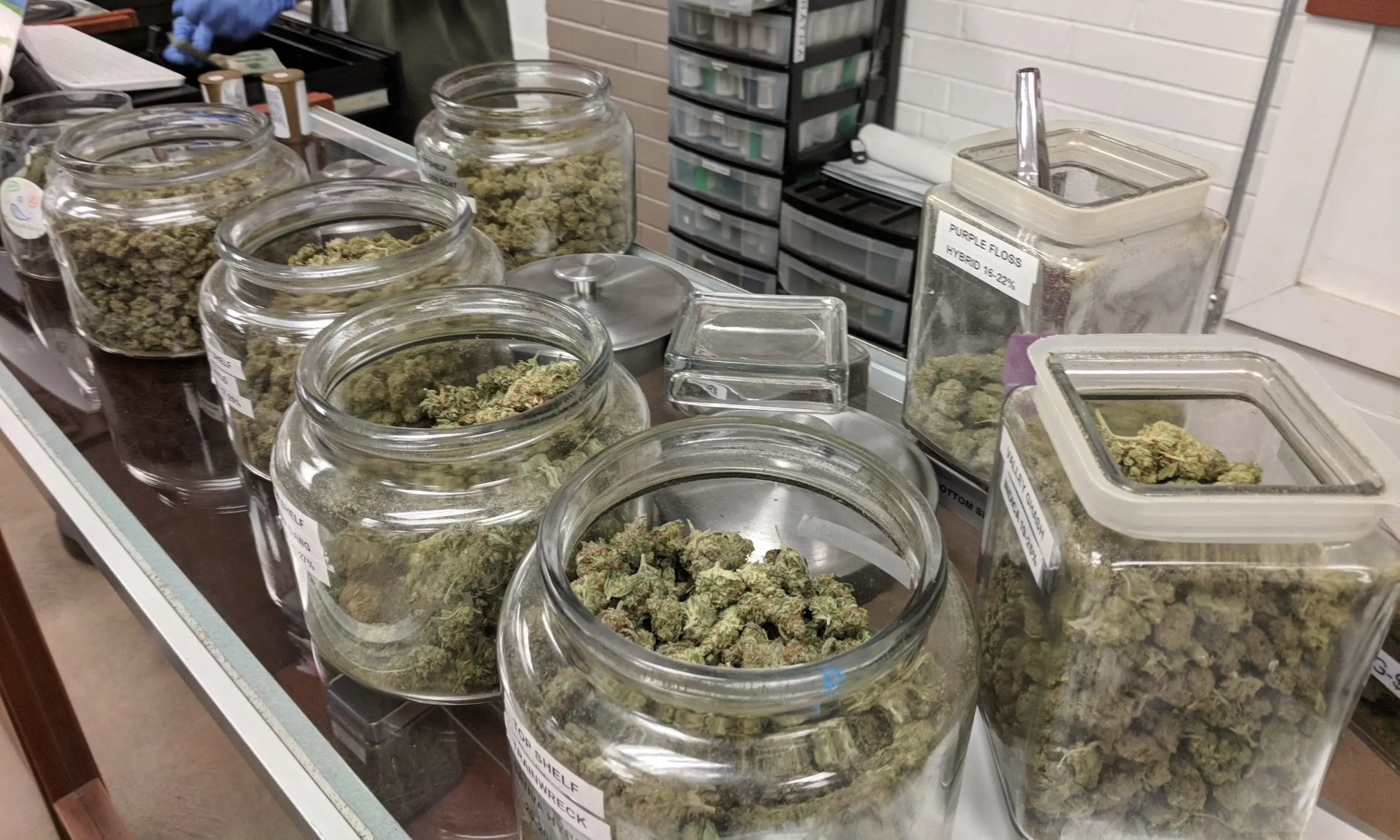
Kentucky medical marijuana dispensary opening. That’s the headline, but it feels more like the first plate out of the kitchen on a Saturday night—hot, scarce, and guaranteed to draw a crowd. In Beaver Dam, a small-town main street will taste history as The Post Dispensary cuts its ribbon and starts serving registered medical cannabis patients. The governor says the shelves could clear before sunset. Limited supply. Limited hours. Unlimited demand. You can almost hear the hum building as people who’ve waited years for safe, regulated access finally line up for something besides another prescription bottle. This isn’t a victory parade yet—it’s a stress test for a young market, the first pour from a fresh tap, and everyone wants a sip.
The state’s pitch is simple: relief without the roulette wheel of street supply. Over 23,000 Kentuckians have secured e-certifications—more than 15,000 seeking help for chronic pain, nearly 1,800 tied to cancer symptoms, with PTSD and MS patients in the mix. The governor’s been clear about the opioid angle, too: if medical cannabis becomes the off-ramp that keeps a few thousand people from sliding into dependency, that alone justifies the paperwork, politics, and patience. Doctors are getting trained up, dispensaries are edging toward open, and the first legal flower grown on Kentucky soil is ready to move. If you want to watch the doors swing wide, the dispensary even posted its kickoff hours on Instagram—10 a.m. to 6 p.m., or until the jars go empty. That last clause isn’t marketing; it’s reality in a state where demand has been marinating for years.
By the numbers
- 23,000+ patients with e-certifications to participate.
- 15,000+ registered for chronic pain relief; ~1,800 tied to cancer-related symptoms.
- 506 doctors certified to recommend medical cannabis.
- 48 dispensaries and 16 cultivators approved so far, plus 6 safety compliance labs.
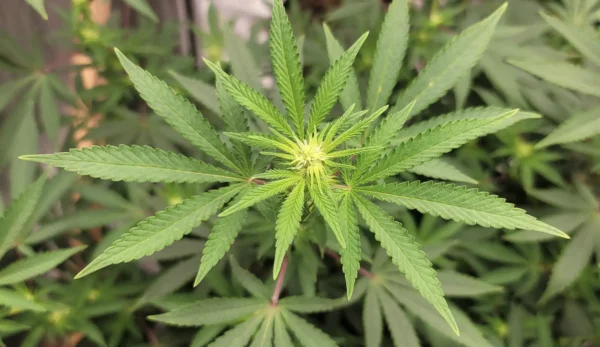
- First retail location: The Post Dispensary in Beaver Dam, supplied by Farmtucky, the state’s first licensed cultivator.
If you’ve ever watched a kitchen get crushed on opening night, you know the drill. Inventory forecasts look smart until the first wave of tickets hits. Kentucky’s medical cannabis rollout is no different. The licenses are inked. Growers like Farmtucky are harvesting. Labs are set to test. But the supply chain hasn’t found its rhythm yet, and people are arriving with real needs, not curiosity. The tension between urgency and control is baked into any legal cannabis launch. You want product in the jars now, but you also want the right kind—clean, tracked, labeled, tested. Better to sprint carefully than face-plant. Expect a few sellouts. Expect a few gaps. Expect rapid course-corrections, because nothing sharpens a market like a line out the door and a closed sign at noon.
Beyond the storefront and ribbon, the federal weather still matters. Kentucky’s governor recently leaned into Washington’s ear again, urging the White House not to let Congress block a move to shift marijuana from Schedule I to Schedule III—a bureaucratic shuffle with real-world consequences: more research, more medical legitimacy, and fewer contradictions for patients and providers. Meanwhile, the courts are their own theater, with the U.S. Supreme Court To Discuss Case Challenging Federal Marijuana Prohibition This Week. If the justices even crack the door, states like Kentucky won’t have to thread the same tightrope between state law and federal rules on guns, banking, and medicine. Critics are still on the mic, too—some argue legalization is a shield for bad actors, a theme rounded up in State Marijuana Legalization Laws Shield Foreign Cartels And Threaten Public Safety, GOP Senator And Former DEA Official Claim. Kentucky’s answer echoes the governor’s refrain: regulate it, test it, sell it aboveboard, and starve the illicit market. It’s not poetry, but it’s practical.
Step back and you see the messy American map: one state opens the valve; the neighbor tightens it; a third starts passing the hat for signatures. In Ohio, a political pendulum swing means the governor says he’ll sign a rollback that also clamps down on high-potency hemp, laid out in Ohio Governor Says He’ll Sign Bill To Roll Back Marijuana Legalization And Restrict ‘Juiced-Up Hemp’ Products. Out West, grassroots hustlers push the boulder uphill again, as captured in Idaho Medical Marijuana Campaign Steps Up Push For 2026 Ballot Initiative By Hiring Paid Petitioners. Kentucky, for its part, is taking a slower, sturdier path—waiving renewal fees to make early participation less punishing, keeping protections for qualified patients who’ve had to travel for medicine, and promising more doors will open soon. The street-level translation is simple: if this first day feels like a whirlwind, it’s because it is. And if you’re exploring lawful, compliant options derived from hemp while the medical market finds its feet, you can browse our selection here: https://thcaorder.com/shop/.