


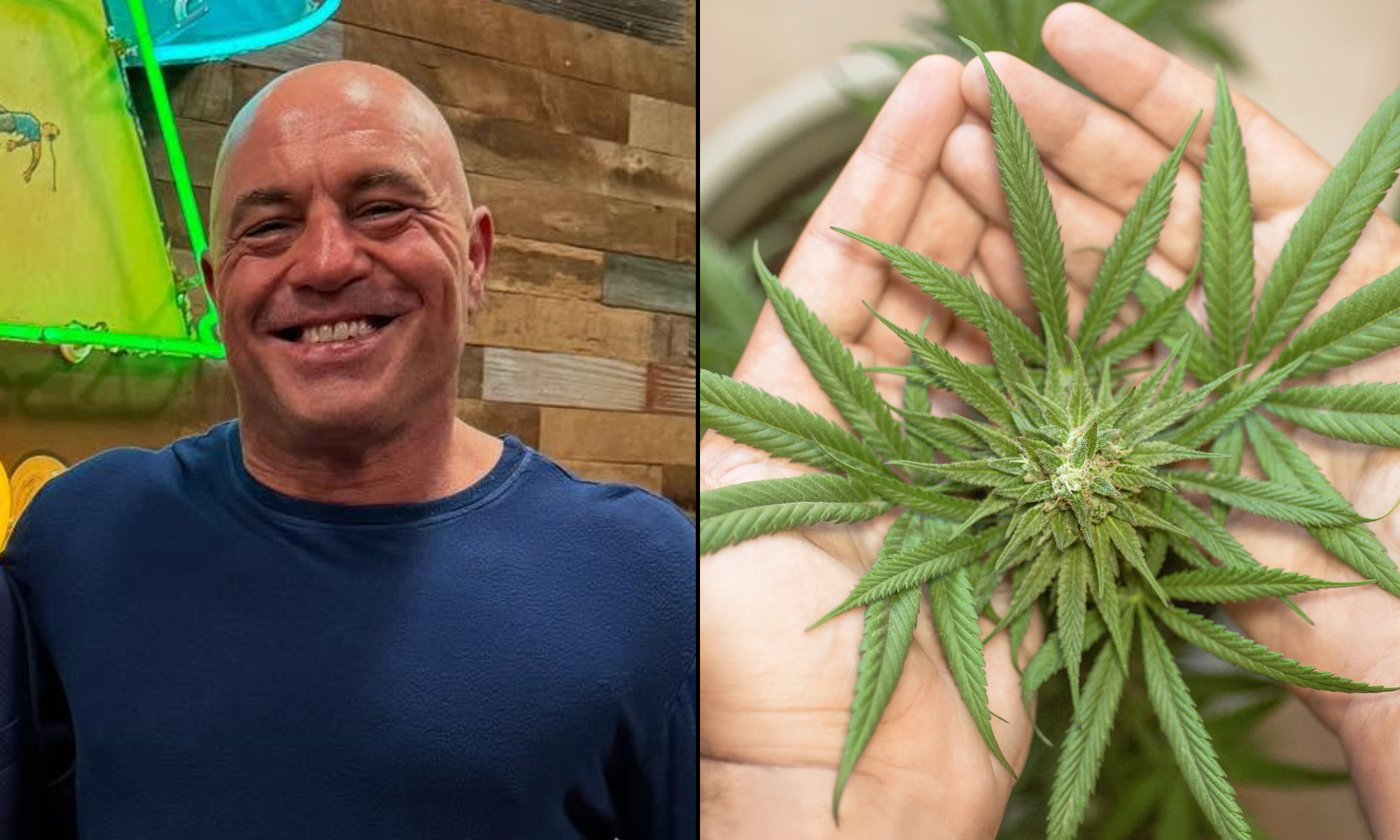
Joe Rogan Surprised After GOP Senator Says Marijuana And Alcohol Industries Jointly Backed Push To Ban Hemp THC Products
Federal hemp THC ban is the kind of phrase that tastes like aspirin—chalky, bitter, and somehow necessary to swallow if you want to understand why the American cannabis story keeps zig-zagging like a barfly on black ice. On a fresh episode of the Joe Rogan Experience, Sen. Rand Paul sat down and pulled back the curtain: he says a strange-bedfellows crew—some marijuana companies and the alcohol industry—leaned in behind closed doors to push a federal crackdown on hemp THC products. The senator’s theory is simple and cynical: interstate freedom for hemp threatened state-siloed marijuana operators, and alcohol never met a rival buzz it didn’t try to kneecap. Meanwhile, Senate power politics and appropriation riders did the dirty work, sculpting a national rulebook that smothers the hemp market while the broader marijuana policy reform debate limps along.
Here’s the practical fallout, stripped of spin. The new federal approach shifts hemp’s definition from the old delta-9-only yardstick to a total THC standard—counting delta-8 and other isomers—then slaps a 0.4 milligrams per container cap on anything with THC-like effects. Not by percentage. By the container. It also bans “intermediate” hemp-derived cannabinoid products sold directly to consumers and takes aim at cannabinoids synthesized outside the plant. The effect date is next November, which in regulatory time is tomorrow. Rand Paul’s gripe is less about whether some products should be reined in and more about the sledgehammer used: this isn’t targeted quality control; it’s a market eraser. The irony he notes stings—because we legalized hemp nationally in 2018, those products enjoyed interstate commerce while marijuana remains locked inside state lines. Now, the pendulum swings back with the elegance of a brick.
On Rogan’s couch, the abstract became personal. His mother-in-law finds that a whisper of THC alongside CBD works better for arthritis than CBD alone—the entourage effect that researchers and patients keep testifying to like it’s folk wisdom that finally made it into the lab. Paul, in his trademark deadpan, skewered the double standard: we’ll hand you Ambien with a smile but clutch pearls over a hemp gummy. The senator says he doesn’t use the stuff—sleeps fine, thanks—but he’s adamant about the freedom to try. And if you still think legalization means kids run wild, a federal health official recently noted teen access to marijuana is getting harder even as legalization spreads—read the tea leaves and the receipts in Federal Health Official Says Teens Are Finding It Harder To Access Marijuana Even As Legalization Spreads, Contrary To Opponents’ Fears. Regulation, when done with a scalpel instead of a sledgehammer, can actually work.
But politics is a contact sport, not a TED Talk. On Capitol Hill, there’s already a move to delay the hemp clampdown for two years, and another bid to scrap the new ban entirely. Layer on the federal rescheduling push—moving marijuana from Schedule I to Schedule III—and whispers about expanding CBD access, possibly even via Medicare pilots, and you’ve got a map that looks like spaghetti flung at a wall. Out in the states, the culture is miles ahead of the statutes: Midwestern appetite is real (see the numbers in 3 In 5 Indiana Residents Support Marijuana Legalization, New Poll Finds As State Lawmakers File Reform Bills), psychedelic medicine is peeking through the door (New Jersey Legislature Passes Bill To Create Psilocybin Therapy Pilot Program, Sending It To Governor), and yet the 2026 horizon line is anything but calm—if you want the stakes without the sugar, see Legal Marijuana Access Faces An Existential Threat In 2026, And We Must Fight Back (Op-Ed). The through-line is the same: consumers want sensible access, businesses want fair rules, and the old guard keeps trying to reroute the parade down an alley.
What happens next? Farmers, formulators, and corner-shop owners will spend the coming months gaming out survival under a 0.4 mg per container ceiling—an impossibly low dose if relief, not just label compliance, is the goal. Some will pivot; many will fold. Lawsuits will fly. Lobbyists will keep the lights on late. And ordinary people—the veteran trying to sleep six unbroken hours, the parent managing seizures, the retiree dodging the side effects of a pill that reads like a horror novella—will be pushed back to the gray market or to nothing at all. If you care about how this ends, keep reading, keep calling, keep voting with your head and your wallet—and when you’re ready to choose products with intention, start with something crafted for clarity and compliance in our shop: https://thcaorder.com/shop/.