


Indiana Lawmakers Approve Bill To Restrict And Regulate Hemp THC Products
Indiana hemp THC ban isn’t a whisper anymore; it’s the clink of a last call glass, the kind of rulebook rewrite that changes who’s still standing at the end of the night. Lawmakers are moving to align state law with a fresh federal crackdown on intoxicating hemp products, with Senate Bill 250 set to cap all forms of THC at a tiny 0.4 milligrams per container and outlaw lab-made cannabinoids like delta-8. This is the post–Farm Bill hangover, a cleanup of the famous “loophole” that let hemp-derived THC—delta-8, THCA, the whole alphabet soup—spread through Indiana’s convenience stores and taprooms. Supporters call it clarity. Detractors call it a slow-motion demolition of an industry born from the government’s own definition of legal hemp—less than 0.3 percent delta-9 THC, by dry weight—that never accounted for what chemistry and entrepreneurship could do with the rest of the plant. It’s cannabis policy reform by subtraction, and the ripple through the Indiana cannabis market will be felt from warehouses to corner coolers.
The bill’s bones look familiar if you’ve seen modern cannabis regulation: restrict, license, verify, repeat. Indiana’s Alcohol and Tobacco Commission becomes the new sheriff, handing out permits to manufacturers, distributors, retailers, and carriers. These hemp-derived cannabinoid products that do survive the threshold will be 21-plus only. Retailers can’t advertise within 1,000 feet of schools, playgrounds, or similar spaces; they also can’t operate within that radius. No deliveries. No on-site consumption. No online sales, which advocates say will defang responsible operators while leaving the gray market buzzing after hours. Containers, labels, and lab testing get detailed treatment. The fiscal impact is real: the state’s number crunchers say ATC will need more enforcement muscle—new excise officers in each district, more training, more databases. Fees could offset costs, with revenue routed mostly to ATC administration and enforcement, plus slices for the 988 crisis hotline and the general fund. Growers and handlers stay under the seed commissioner’s watch. It’s the full compliance menu, served cold, with a side of administrative overhead.
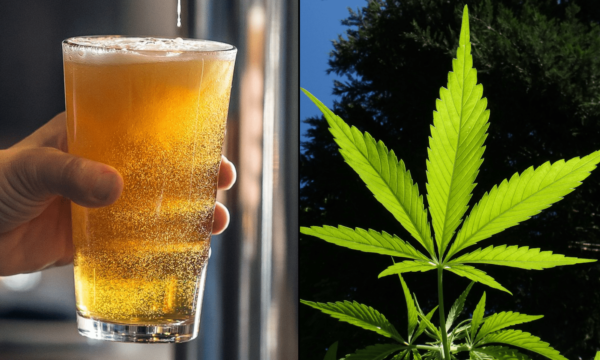
But this isn’t just policy. It’s people trying to make payroll. In one corner, industry voices like Justin Swanson—speaking for the Midwest Hemp Council and 3Chi—argue that products under the proposed THC threshold will have “no demand.” That’s not a scare tactic; it’s basic math if your customers came for effect. In another corner, you’ve got Indiana entrepreneurs who found lifelines in hemp-derived beverages during a national slump in alcohol sales. Sun King Brewery poured time and six figures into THC seltzers, then used that revenue to keep staff on the books and even grow. Cut the potency to near zero and outlaw web sales, and you don’t just change what’s on tap—you change who survives winter. Even some supporters of tighter hemp regulation say they want a “responsible regulatory framework” rather than a guillotine. The bill’s author, Sen. Aaron Freeman, admitted he’d prefer to “eliminate all these things from the planet,” but framed his bill as what’s possible, not perfect. Possible cuts both ways when the market is fragile and consumer demand is fickle.
Timing is the twist of the knife. The federal provisions kick in November. Indiana’s bill moves the date up to July. That’s four fewer months to pivot, reformulate, or wind down inventory. Dissenters say it’s premature. Swanson points to a push in Washington to delay the federal hemp THC product ban to 2028, and even flagged talk of faster marijuana rescheduling—signals, he argues, that the ground is still shifting. The broader chessboard backs that up: see Bipartisan Senators Push To Delay Federal Hemp THC Product Ban As Lawmakers Consider Regulatory Alternatives To Prohibition, and the regional copycat effect already underway in the Midwest, where Missouri Lawmakers Weigh Bills To Match New Federal Hemp Restrictions In State Law. The Indiana bill also blocks automatic adoption if marijuana is federally rescheduled, a reminder that the state intends to chart its own course. Still, the measure has momentum, clearing its first committee on a party-line vote and heading to appropriations. The pitch from leadership is simple, almost weary:
We’d like certainty—for businesses, for consumers, and for protecting youth.
Certainty is a luxury in this space. The more the government grabs for it, the more the market squeezes out from between its fingers.
Context matters. Look north and west to see what a mature, legal market can do: Montana Retailers Have Sold More Than $1 Billion Worth Of Recreational Marijuana Since Legalization Took Effect. That’s not a vibe. That’s revenue, jobs, and tax flows that don’t need workarounds. And on the East Coast, momentum continues toward consumer rights and home rule, with Home Cultivation Of Marijuana Would Be Legalized In New Jersey Under Lawmakers’ Proposals. Indiana’s choosing a different road: a narrow bridge over a canyon, with compliance on one side and demand on the other. Maybe the guardrails hold. Maybe they just reroute revenue across state lines and into darker corners. Either way, the lesson is old. People chase relief, flavor, and a little legal thrill. Law tries to keep pace. If you’re navigating this new map and want products that respect the rules and still deliver, start by browsing our curated selection here: https://thcaorder.com/shop/.