
Indiana Bill To Ben Hemp THC Products Dies As Key Deadline Passes
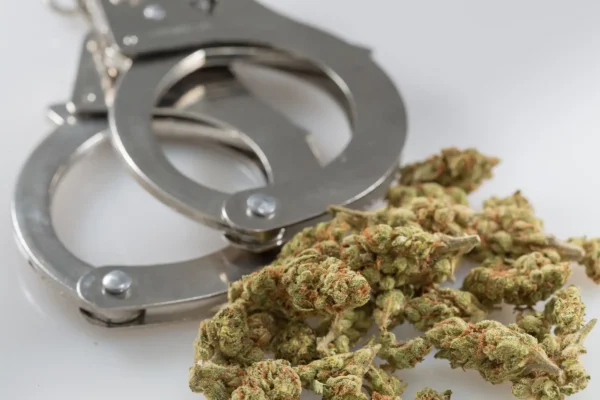
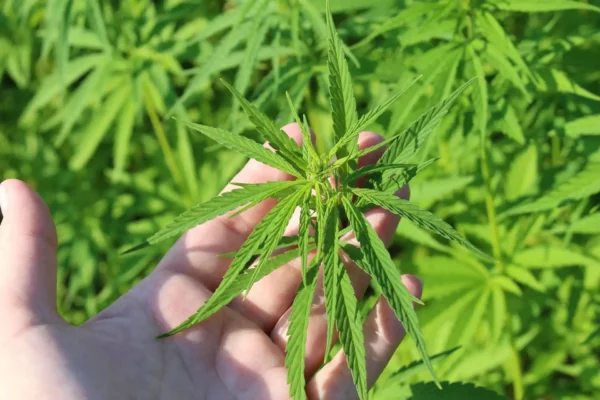
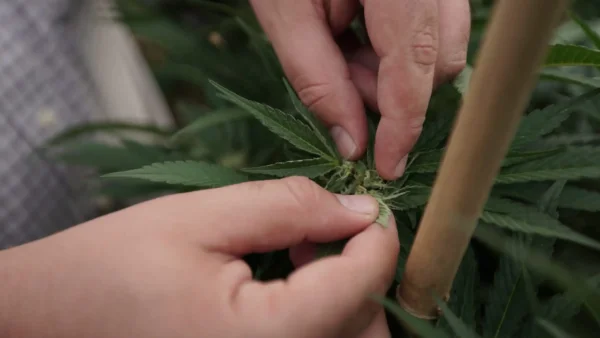
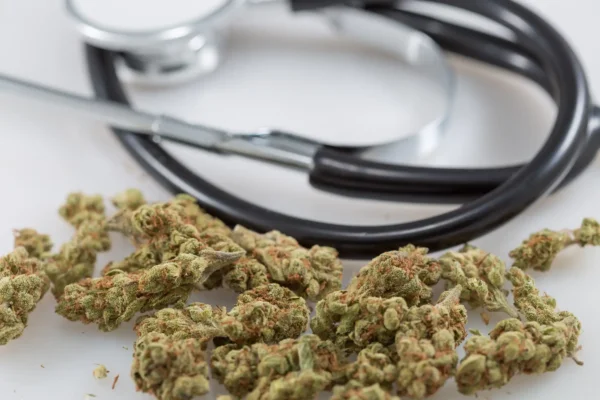
Indiana hemp THC ban fizzles at the buzzer. The statehouse blinked, and the gray market exhaled. In a late-session shrug, House leaders let Senate Bill 250—pitched to choke off intoxicating hemp-derived THC like delta-8 and THCA—die on the vine before the second-reading deadline. The proposal, meant to mirror a recent federal attempt to close the “loophole” fueling gas-station gummies and strip-mall vapes, had already cleared the Senate 35–13. But in the House, silence carried the day. No vote. No fireworks. Just the quiet relief of shop owners and the tight-lipped frustration of sheriffs, parents, and a few buttoned-up legislators who thought they had the votes. For those keeping score, the bill’s corpse now lives in the ledger of things-that-might-return, via the legislative necromancy known as conference committee, where language can slip into another moving vehicle and reappear at the finish line. For the curious, the bill’s text sits in the public record here: SB 250.
Inside the marble maze, tempers ran cool but sharp. The Senate sponsor, a law-and-order lifer, watched his handiwork stall across the hall and offered a salt-sprinkled epitaph.
“Another example of why we should be a unicameral Legislature.”
House sponsor Garrett Bascom did the math and decided not to roll the dice; by his count, the votes weren’t there. He hinted at another swing next time, maybe a conference-committee cameo this session if leadership needs a bargaining chip. The package didn’t just swing a bat at delta-8 and synthetic variants; it also teased a regulatory lane for low-potency, field-grown hemp products. The industry shrugged at that carrot. If the kick is gone, who’s buying the carrot? That’s the sticky center of this debate: write a rulebook no one wants to read, or keep pretending the unsupervised market will supervise itself. Indiana Capital Chronicle captured the mood music, the sort of procedural dirge you hear when ambition beats against parliamentary glass.
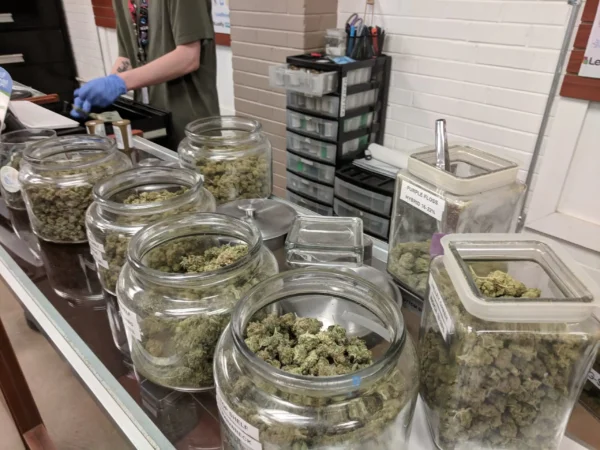
On the street, the drama tastes different. It tastes like blue-raspberry chews in a cracked plastic jar by a cash register; like a last-minute cart splurge and a promise to sleep a little better tonight. Indiana’s hemp-derived THC market is a roadhouse—neon, loud, and only as safe as the bouncer on duty. And most nights, there isn’t one. Without a clear statewide framework, you get a patchwork: a decent actor here lab-testing and age-gating, a corner cutter there slapping “not for kids” on a cartoon bag. Lawmakers call it a loophole. Operators call it a lifeline. Consumers, as usual, get to gamble. The stakes aren’t abstract: mislabeled potency, inconsistent sourcing, contamination risk, youth access, and a steady drip of confusion that leaves cops guessing and judges sighing. A real regulatory recipe would set potency ceilings, mandate credible lab testing, lock in child-resistant packaging, and draw a bright line around synthetics and isomers that wander too far from the plant. It would also chart how this gray market interacts with any future licensed cannabis system—if Indiana ever finds the appetite to go there. Until then, the sign on the door flashes “Open,” and the liability wafts in like fryer smoke.
Zoom out, and you see the country wrestling the same octopus. Courts, cops, public-health wonks, and politicians keep grabbing a new tentacle only to find the rest wriggling away. Gun rights meet weed use? An ACLU Attorney ‘Confident’ Supreme Court Will Strike Down Gun Ban For Marijuana Users After Oral Arguments Next Week. The medical-research crowd eyeing altered states? Trump’s Surgeon General Pick Says She Doesn’t Recommend People Use Psychedelics Like She Has—But Will Follow ‘Exciting’ Research. The White House podium, where symbolism can move markets? Trump ‘Missed An Opportunity’ To Promote Marijuana Rescheduling During State Of The Union, Industry Leader Says. And the moral ledger we trot out every February, reminding us that policy tweaks don’t unlock cell doors: This Black History Month, Simply Rescheduling Marijuana Isn’t Enough While Cannabis Prisoners Remain Behind Bars. Indiana’s hemp fight isn’t a sideshow. It’s the main event in a state-sized ring, with national implications bleeding under the ropes.
So what now? Expect the whispers to get louder in committee rooms, where “closing loopholes” becomes a bargaining chip for something else—a road project here, an education tweak there. If SB 250’s guts reappear inside another bill, watch for a narrower, more defensible package: age restrictions with teeth, uniform testing standards, and a tighter definition of “intoxicating” that won’t get laughed out of a courtroom. The alternative is inertia, and inertia is a policy too—one that keeps shifting risk to consumers and honest operators while the least scrupulous keep skimming. Indiana can learn from neighbors that overcorrected with blanket bans and drove demand to a messier underground, and from those that built credible compliance regimes that let adults buy what they want without pretending it’s kale. In the meantime, if you’re a Hoosier adult looking to navigate this landscape with your eyes open, seek transparency, ask for lab results, and remember that “legal” and “regulated” aren’t the same word. And if you want to explore compliant offerings with clarity and care, take a look at our shop: https://thcaorder.com/shop/.