
Idaho Medical Marijuana Campaign Collects Over 45,000 Signatures For Ballot Initiative As Poll Shows Strong Voter Support
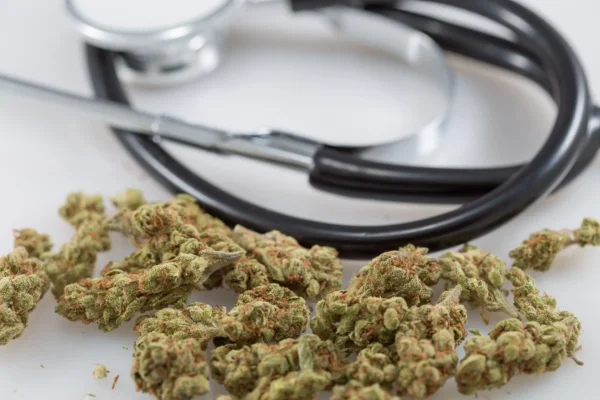
Idaho medical marijuana ballot initiative inches toward the November ballot, riding a loud 45,000-signature drumbeat and a political hunger you can feel between gas pumps and county fairs. Petition teams have been camping out in the state’s “high-traffic areas,” stacking names with the kind of persistence usually reserved for fishermen chasing the last bite at dusk. The math is unforgiving: 70,725 valid signatures statewide, plus at least six percent of registered voters in 18 of Idaho’s 35 legislative districts. But in a state where cannabis is still fully illegal, the sight of clipboards and cautious nods feels like a new language being spoken in public—one that sounds a lot like medical cannabis legalization finally getting its day on the ballot.
The coalition steering this, the Natural Medicine Alliance of Idaho, is betting on something simple and powerful: sick people deserve options. Recent polling backs them up. In late October, a statewide survey of 400 likely voters found 83 percent support for medical cannabis, with Republicans at 74 percent, Democrats at 95 percent and independents at 92 percent. If the initiative lands on the ballot, 76 percent say they’ll vote yes; half say that’s a hard yes. Margin of error: +/- 4.9 points. It’s the kind of lopsided backing you only see when policy finally meets lived experience—cancer wards, anxiety spirals, stubborn pain that makes dawn feel like the enemy. As the group’s spokesperson put it, Idahoans are ready to bring “non-addictive, natural medical treatment alternatives” home. For the granular-minded, the campaign has posted its toplines and methodology in its survey results.
What the Idaho Medical Cannabis Act would do
- Authorize health practitioners to recommend medical cannabis for conditions including cancer, anxiety and acute pain.
- Allow monthly purchases up to 113 grams of smokeable cannabis, or 20 grams of THC extract for vaping.
- Launch with three vertically integrated licenses, with authority to expand to six total statewide.
- Reclassify marijuana under state law from Schedule I to Schedule II.
- Bar state and local police from assisting federal enforcement actions tied to Idaho’s state-legal medical program.
- Install anti-discrimination protections for compliant patients and businesses in employment, housing and education.
- Notably, no equity provisions—and no home grow option.
This isn’t a free-for-all. It’s tight, clinical, the kind of system built to reassure skittish legislators and sheriffs that the sky won’t fall. Limited licenses. Strict monthly caps. A regulatory perimeter with a guard dog posted at every corner. And yet, there’s meaningful oxygen here: a formal shift to Schedule II, hard protections against discrimination, and an explicit firewall between Idaho cops and federal drug hunts that would undermine the state program. The missing pieces speak loudly too. No home cultivation—a contrast to the grassroots push alive elsewhere, like in the Pacific Northwest where Washington Lawmakers Take Up Bill To Legalize Marijuana Home Grow Amid Police Opposition. And no equity framework, which means Idaho’s first legal operators will likely be well-capitalized outfits with the patience to thread the licensing needle. For those wanting to read the original blueprint, the proposal lives here: the Idaho Medical Cannabis Act.
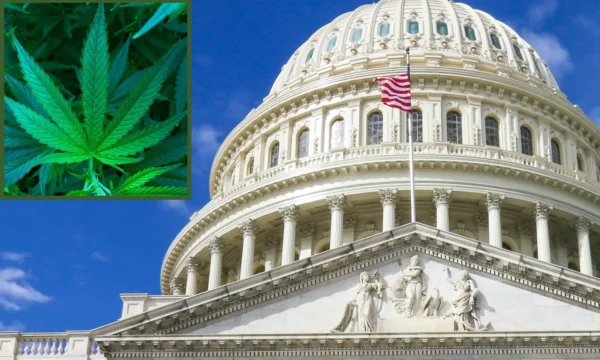
Politics in the Gem State rarely take a straight road. A separate grassroots drive that would’ve legalized adult personal possession and cultivation has already stepped back to avoid cannibalizing support. Meanwhile, lawmakers have flirted with medical reform through hearings but haven’t pulled the trigger, even as some try to harden the old order—remember the push for a mandatory $420 minimum fine for simple possession, or the House vote to ban marijuana ads that died in the Senate. And looming over it all is a proposed constitutional amendment that would lock legalization power inside the legislature, sidelining voters from deciding controlled substances at the ballot. That move echoes a broader national tug-of-war over process and power, with cautionary tales from other states; witness how Florida Marijuana Campaign Fails To Qualify Legalization Initiative For November Ballot, State Officials Say. Idaho’s signature thresholds and district quotas are a reminder that the road to democracy is paved with fine print—and the occasional pothole big enough to swallow a movement.
Zoom out and the map is a patchwork quilt stitched with contradictions. In one corner, lawmakers dial up punishments for behavior behind the wheel, as seen when Alabama Lawmakers Pass Bill To Increase Penalties For Smoking Marijuana In A Car Where A Child Is Present. In another, courts force police to recalibrate old instincts, like when California Cops Have To Treat Marijuana In Cars Differently After New Supreme Court Ruling. Idaho sits in the middle of that American paradox: a place where the culture and the law are still arguing in public, while patients wait with the quiet urgency of people who don’t have time for ideology. If the signatures keep stacking and the vote goes forward, Idaho’s medical cannabis program won’t solve everything—but it will open the door. And if you care about where this all leads and want to explore compliant, high-quality options today, take a look at our shop: https://thcaorder.com/shop/.